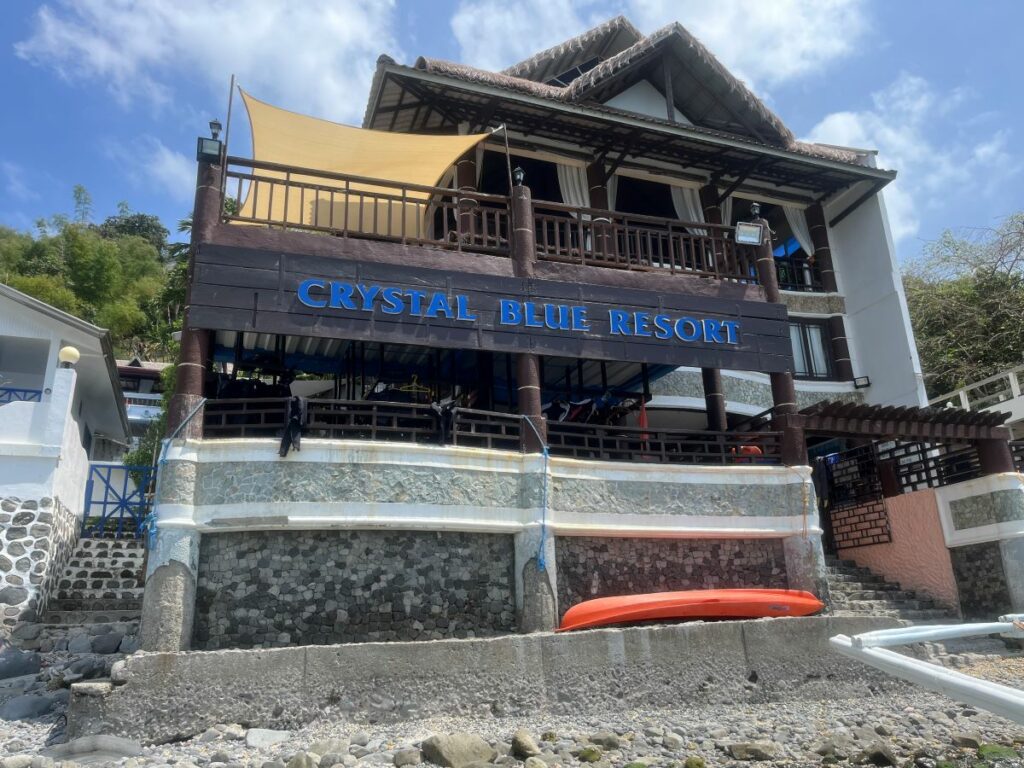
Join us at the Crystal Blue Resort for the Ultralight WAM Jam. This workshop, run by Ultralight's Brand Ambassador, Mike Bartick, will cover wide-angle macro (WAM), close focus wide-angle, lighting, composition, and more. The trip is from October 1 to 10, 2026. This will be a 10-night/11-day trip you will not want to miss!
Topics covered will be:
Cost is $2995.00 double occupancy (single rates available) and includes:
Ultralight Camera Solutions organizes the trip, and sign-ups are done through Channel Islands Dive Adventures, both owned by Ken Kollwitz.
Please visit the WAM Jam link to sign up and learn more about the trip and other important details. Also, please don't hesitate to contact Ken for more information by email, info@ulcs.com, or call (805) 469-7288
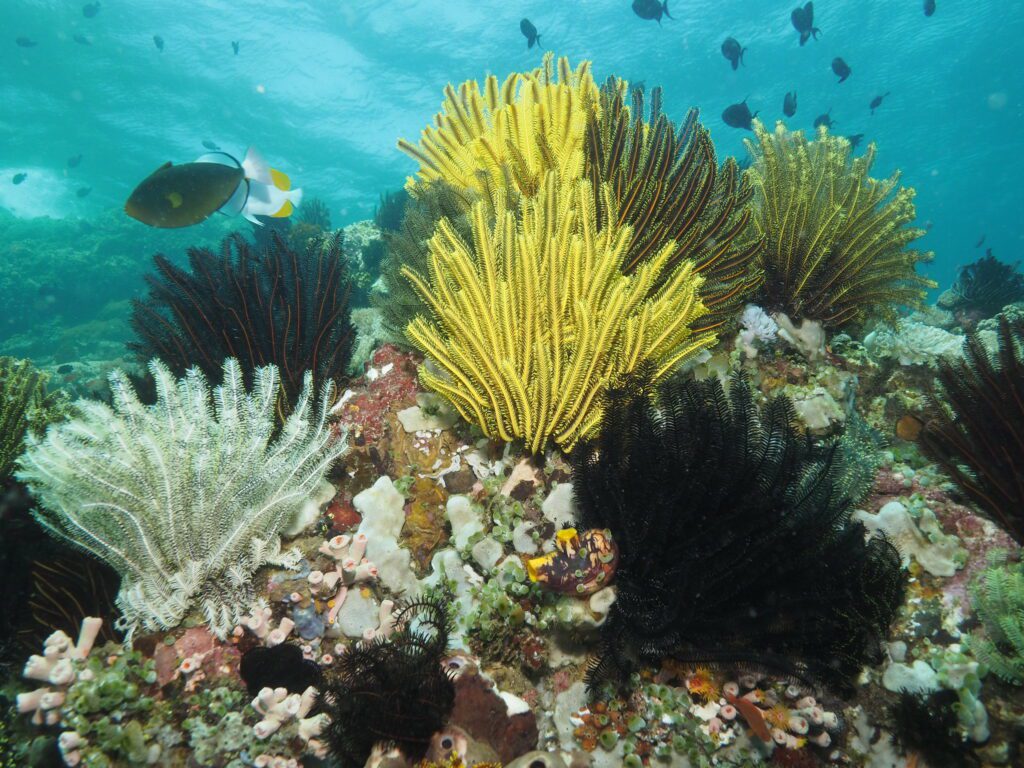
Anilao is a Marine Protected Sanctuary and one of the Philippines' best spots for underwater macro photography. Crystal Blue has world-class dive sites within minutes of the resort's house reef. Anilao isn't only about macro photography and muck diving. There are also thriving reefs, with plenty of wide-angle subjects and scenery to help sharpen your skills for the next 10 days. You can also observe schools of various fish, some hard and soft coral, sponges, and many colorful crinoids.
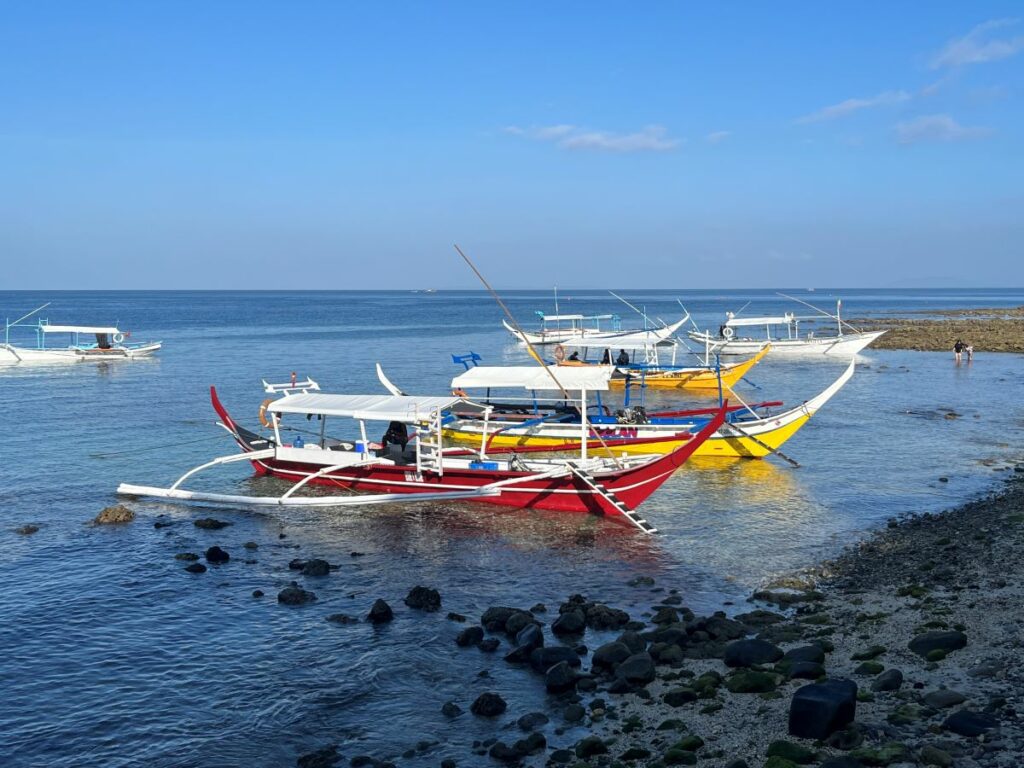
All dives are conducted from dual outrigger-style Banca boats, with a maximum of four divers per guide. Plus, we will have two extra guides to help throughout the workshop. With the valet-style diving they offer, and no crowds on the boats, it just can't get any easier. Two dives are offered in the morning and two in the afternoon. From June to October, the dry season prevails, making it the best dive season in Anilao, with water temperature averaging 82-84°F.
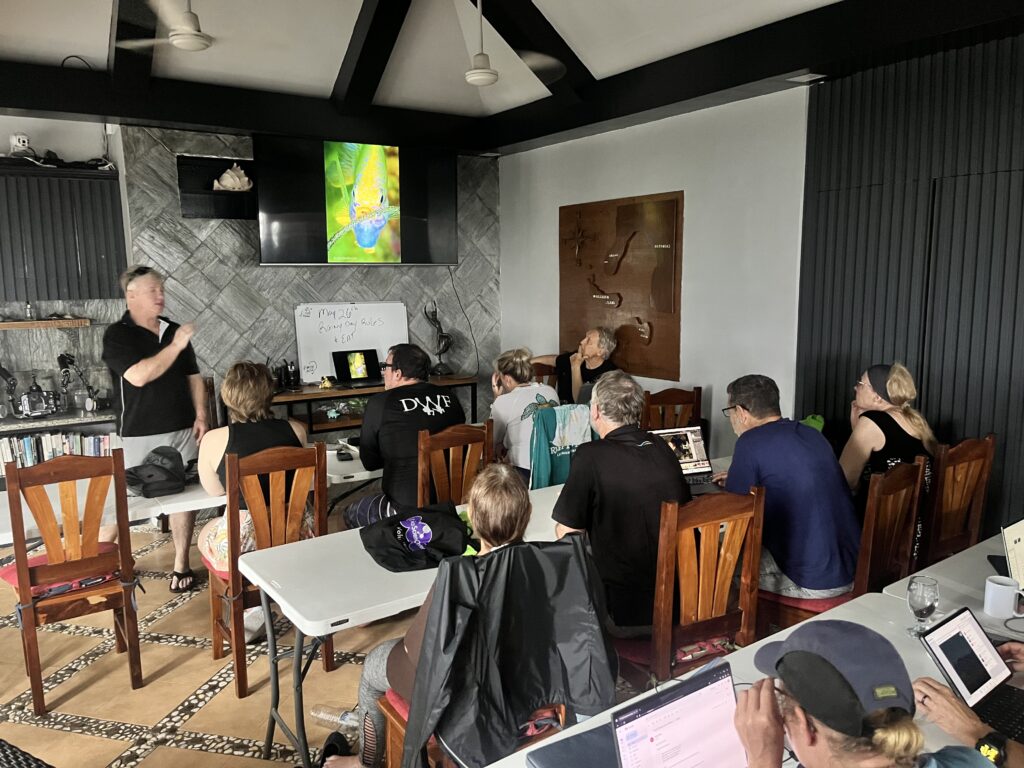
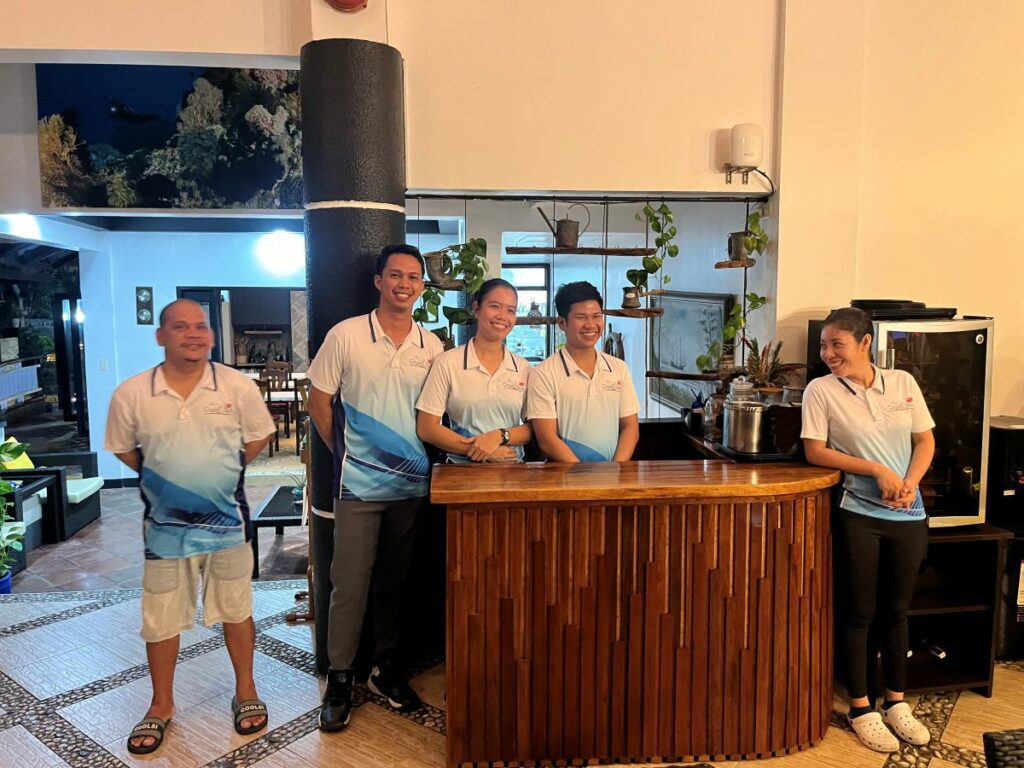
Crystal Blue Resort is an excellent resort with wonderful staff. It is built on a hillside, so some stair climbing is required. The upper area comprises two levels, with rooms above the main office; each level offers several room types. All are spacious, fully air-conditioned, with queen-size beds, bathrooms, and showers, and have a garden or ocean view. The main office, lecture room, and open-air dining area are located in the central area of the resort. Meals are served three times a day and are delicious, with plenty of options for everyone.
The lower level has a camera room, bar, and dive area. For all the photographers, Crystal Blue has one of the best camera rooms you will ever find. It has ample space, charging, and storage at each station, in an environmentally controlled environment. There is no need to carry your camera anywhere except between the camera room and the dive deck below.
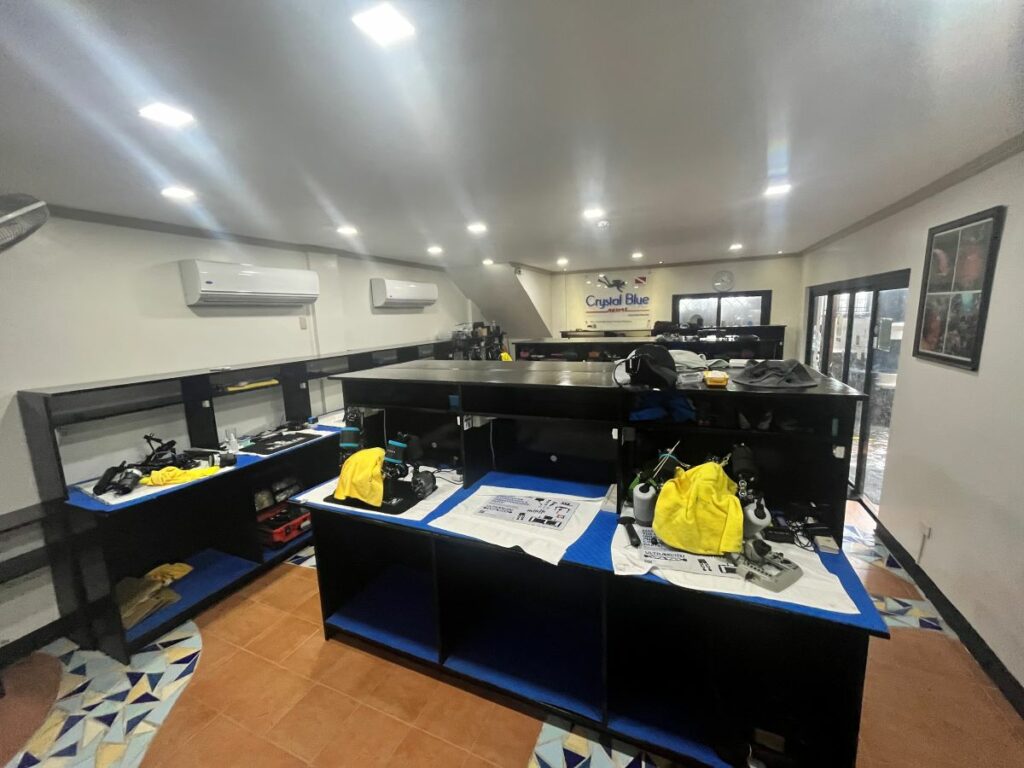
Like the rest of the resort, the dive area is well-organized, making life easier for everyone. It has storage cubbies with boxes for your loose gear, with the suits and hard gear stored in an area for your assigned boat. There are camera and gear rinse areas, as well as a camera-drying area with low-pressure air nozzles. All scuba cylinders are filled with Nitrox and stored in an area designated for your boat. The staff are friendly and will take care of everything to ensure you have an excellent trip.
Arrive at one of the three Manila airport terminals (MNL) on the morning of October 1, 2026. After you get your bags and head outside, you will be greeted by staff from the Crystal Blue Resort. The land transfer to the resort takes approximately 2.5 hours in a large, air-conditioned van, accommodating 4-5 well-equipped photographers with dive gear. Group transfers will be coordinated with Ken from CIDA and arranged with Crystal Blue staff based on each guest's arrival time. Once at the resort, you can relax and get situated for the upcoming ten days of non-stop photo fun.
On October 9, 2026, it will be time to say goodbye to all your new & old friends. Then, early the next morning, on October 10, 2026, it will be time to depart the resort by van for the airport.
At Ultralight, we believe our gear is only as good as the underwater photographer, cinematographer, or camera assistant it supports and no one showcases that better than our Brand Ambassadors. To give you a closer look at their images, stories, and the passion behind their work, we asked each Ambassador a series of thoughtful questions about their backgrounds, favorite rigs, and what inspires their photography and filmmaking. It’s our way of sharing not just how Ultralight gear is used, but also the creativity and spirit of the people who bring it to life.
Please share a little about yourself and the journey that brought you to where you are today.
My name is Stanislav Stelmakhovich. I was born in 1985 in USSR, where I spent much of my early life. However, over the past several years I’ve become truly nomadic, constantly working across the world in places like South Africa, Tonga, Mexico, Indonesia, and Montenegro. These regions have become my second home, and I now spend almost the entire year traveling between them on marine filming expeditions.
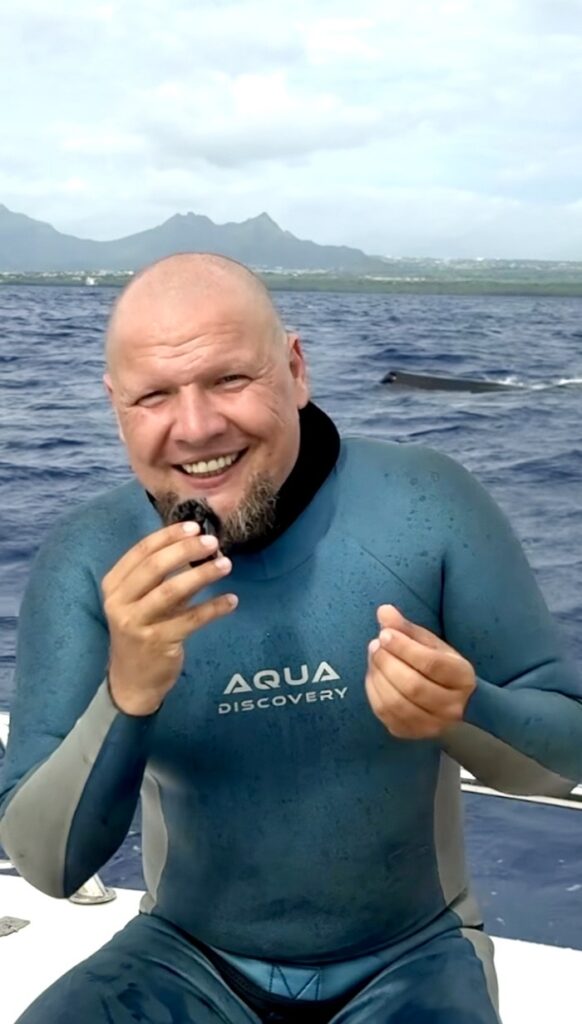
It’s interesting to reflect on what led me here. I grew up in the Soviet Union, where almost all children had the same toys and books. But I happened to own three special books — about whales, sharks and rays, and wild cats. These shaped my imagination deeply. Decades later, I find myself photographing the very creatures I discovered as a child.
As a child, I was also profoundly moved by Jacques Cousteau’s Odyssey. The music and visual storytelling stayed with me for life — and today, I strive to create cinematic moments that inspire others in the same way.
What kind of diver are you, and what do you prefer to film underwater?
I’m a certified Advanced scuba diver, and I use scuba mainly when working with sharks and rays. But when it comes to filming whales and dolphins, I rely on freediving.
My personal best is 4 minutes breath-hold and 35 meters, and I’ve maintained this level comfortably for years. I rarely dive deeper, as I prefer to shoot in natural light, and deeper waters strip away volume and color — especially when filming large marine mammals.
This year, I’m completing my certification as a freediving instructor. I want to guide expedition guests into the water safely and naturally, without scaring marine animals or ourselves.
What inspired your passion for underwater cinematography?
It all goes back to childhood fascination, but as an adult, I found that underwater cinematography offered something unique: a moment of contact and trust between human and animal.
I’ve had incredible interactions with humpback whales, sperm whales, and dolphins, and the most magical moments happen when they initiate the encounter.
There is a unique kind of humility in floating before a massive animal that chooses to approach you. These moments are unforgettable, and I document them not only for film but for advocacy — to help others feel what I feel and care about the ocean as I do.
Favorite filming locations and why?
One of my favorite places is Tonga, where regulations are strict and encounters are intimate. Only four swimmers plus a licensed guide are allowed in the water with humpbacks at one time.
It’s one of the few places where ecological integrity and powerful storytelling can go hand in hand.
I organize expeditions there annually, working with a team to film exclusive footage that we later propose for larger projects with major production companies.
What gear do you use, and how do you stay current?
Right now I film primarily with the Canon R3, which I love for its 6K RAW capability in a compact, ergonomic body.
It allows me to capture footage suitable for National Geographic, BBC, and Netflix, while also staying light and agile underwater.
We are now transitioning fully to Canon, and I also frequently use GoPro and Insta360 cameras for immersive angles, behind-the-scenes content, and social media.
I closely follow new technologies. Tools like the Canon R3 give us cinema-grade power in a travel-friendly package, and I’m always watching for new tools to simplify setups and expand creative options.
Do you prefer natural or artificial lighting?
I generally work with natural light, especially when filming whales and dolphins, who can be disturbed or even harmed by strong artificial light.
But I do sometimes use creative lighting — by placing lights on a separate rig, we can create cinematic effects like backlight, side-lighting, or highlight plankton and particles.
How do you approach composition and behavior underwater?
I often position myself 5 to 7 meters below the surface, shooting upward or across at the subject.
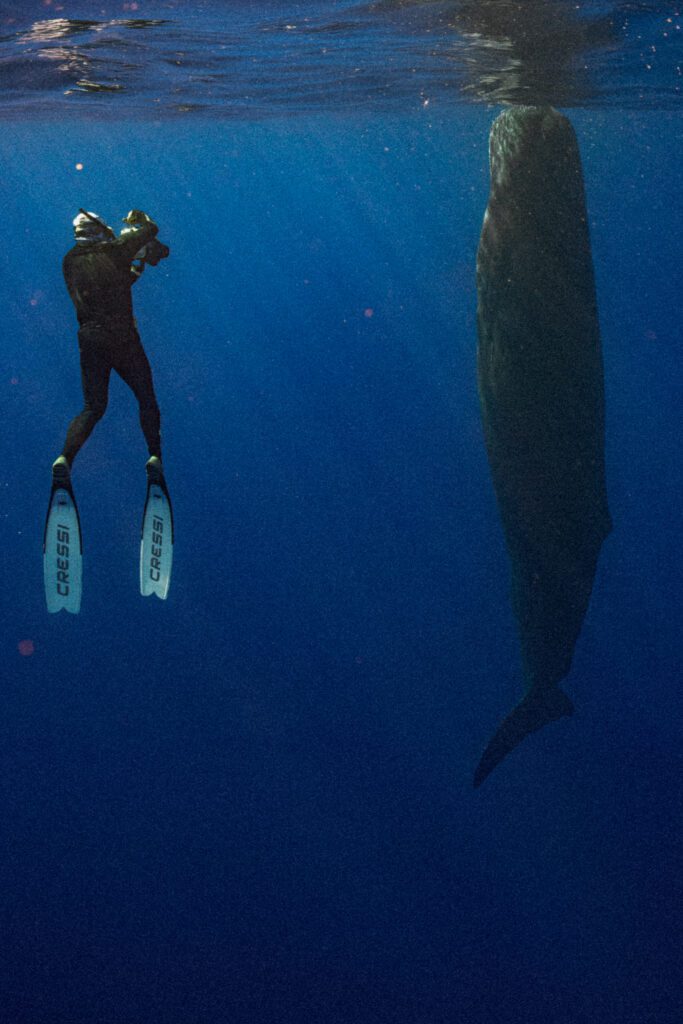
Shooting from this level gives the image depth, drama, and dimension, unlike surface-level shots which can feel flat.
Have you had any dangerous or transformative experiences?
Yes. Years ago, I encountered a longimanus (oceanic whitetip shark) that showed predatory curiosity. I didn’t know how to respond and developed a fear of deep water.
To overcome it, I went on shark expeditions — with tiger sharks, bull sharks, and more. Years later, I met another longimanus — but this time, I was leading a group, remained calm, and filmed close-up shots without touching the animal.
That moment marked a personal milestone and a full-circle experience.
Do you use your work to promote ocean conservation?
Absolutely. I see storytelling and conservation as inseparable.
I’ve filmed on permit in Mauritius, witnessing how tourism impacts cetaceans. Though swimming with whales is technically banned, in reality it’s unregulated.
In my lectures — held in Cape Town, Belgrade (Serbia), Montenegro, Tbilisi (Georgia), Indonesia, Tonga, and wherever I have the opportunity to speak — I urge ethical practices and highlight contradictions in marine tourism.
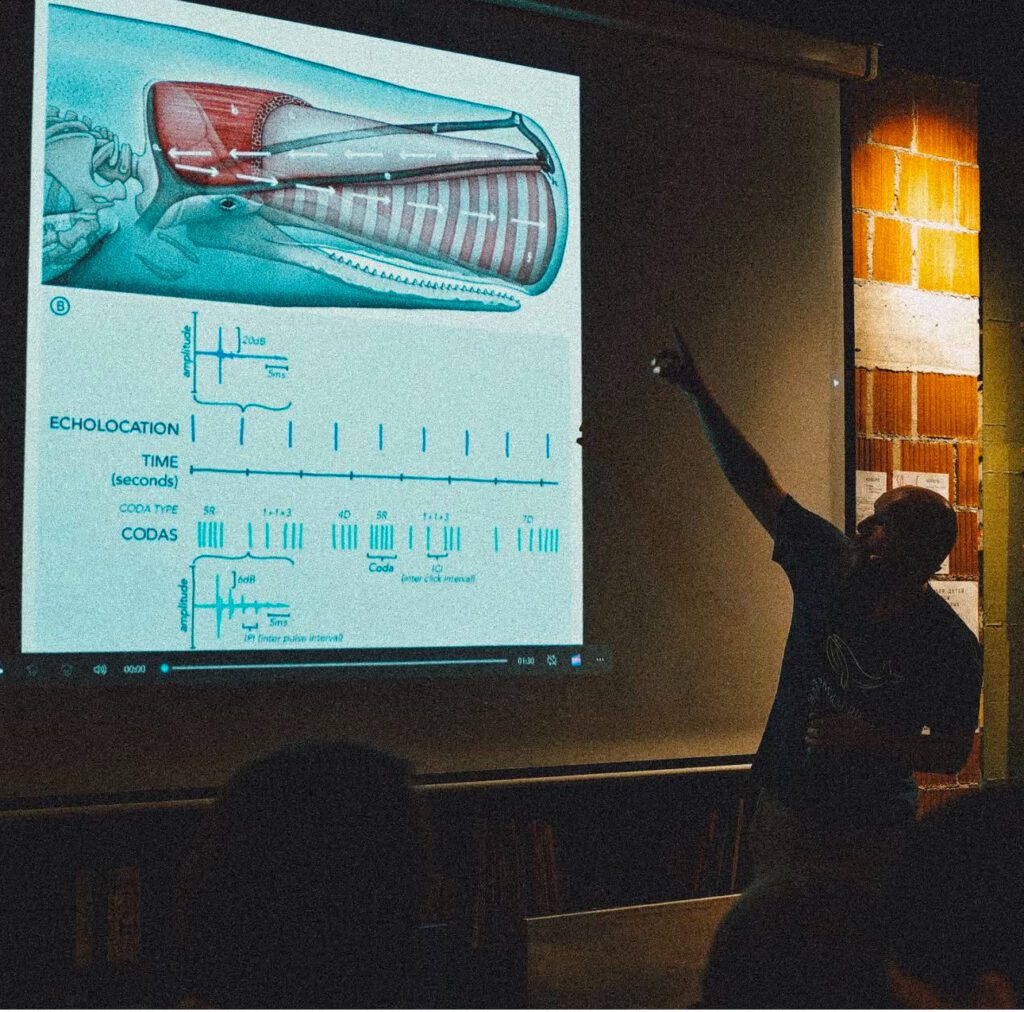
During expeditions, I work with a marine biologist to ensure scientific accuracy and global awareness. On social media, I tell stories of the animals and why they must be protected.
What advice do you give aspiring underwater filmmakers?
Underwater cinematography is a craft — like learning a language or a sport, it takes practice and mentorship.
You need to go on expeditions, work side by side with others, and learn in real-world conditions.
That’s why I always invite people to join my trips. I support with gear setup, camera settings, footage review, and anything else that helps them grow.
What’s next for you in your career?
I want to move from contributing footage to being the primary author and director of feature-length documentaries.
I’ve had work in major productions, but now I want to tell the story myself, to speak for the ocean, and deliver a message that is visually powerful and emotionally compelling.
How does gear influence your work?
Reliable gear is everything. Nature doesn’t wait.
During last year’s Sardine Run, orcas started hunting just as we entered the water. No time to adjust anything — the gear had to be pre-set and fail-proof.
That’s why I rely on Ultralight — because every second and every shot matters.
What advice do you have for filmmakers who want to work with brands?
We need mutual respect and communication between gear companies and independent underwater professionals.
I’m not just a filmmaker — I’m also a professional colorist and editor, with deep post-production experience. I know what usable footage really means, and I have concrete feedback on gear design.
Manufacturers need to listen — not just to large studios, but to those of us who work solo in real conditions.
I believe in building long-term, creative partnerships between makers and users.
What is why I am excited to work with Ultralight.
Thank you, Stanislav, for taking the time to share more about yourself and your work with us. We definitely picked up a few new things, and I’m sure our customers did too. It’s always great hearing how someone finds their way into a field they love—the wins, the lessons, and everything in between.”
For more information, you can find Stainislav at Instagram.
At Ultralight, we believe our gear is only as good as the underwater photographer, cinematographer, or camera assistant it supports and no one showcases that better than our Brand Ambassadors. To give you a closer look at their images, stories, and the passion behind their work, we asked each Ambassador a series of thoughtful questions about their backgrounds, favorite rigs, and what inspires their photography and filmmaking. It’s our way of sharing not just how Ultralight gear is used, but also the creativity and spirit of the people who bring it to life.
Please share a little about yourself and the journey that brought you to where you are today.
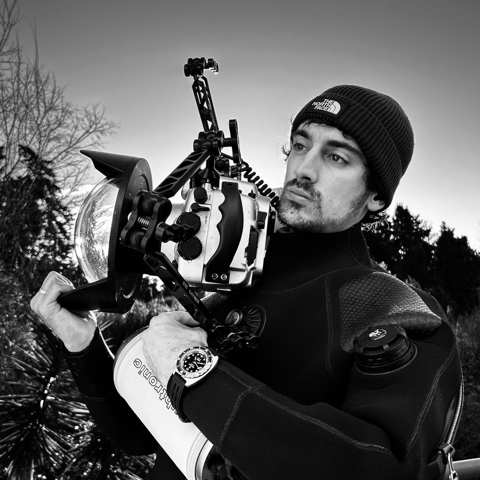
Hi, I am Vasco Coelho, and I was born in Lisbon and have spent my life between Setúbal and Lisbon. In 2020, I started my degree at IADE, where I had my first academic contact with photography. I learned several techniques and a lot about visual culture, since then, in 2023, I started a master’s degree in communication sciences at NOVA FCSH with the aim of deepening my study of cinema, which culminated in a Documentary "23 Miles". I have currently started my PhD in Fine Arts at FBAUL, where I intend to connect the Arts to the natural sciences and look for a way, with this connection, to make science more accessible, including art about nature in society.
What things in life helped you get where you are today?
When I was a child, my father used to dive. I remember looking at all his equipment with curiosity and a deep desire to one day do the same. He eventually took me to Portinho da Arrábida, a beach located within Portugal’s first marine protected area. There, I began snorkeling alongside him, discovering a world that didn’t belong to us, yet immediately felt magical.
The following year, I brought a small disposable camera with me. At just seven years old, I became an underwater photographer, without even realizing it.
Years later, in 2023, with more time and intention, I decided to take my diving certification so I could once again dive with my father. I completed the Open Water, Advanced, and Nitrox courses, and I’m now beginning TDI’s technical diving training, with the goal of documenting depths of up to 50 meters by the end of 2026.
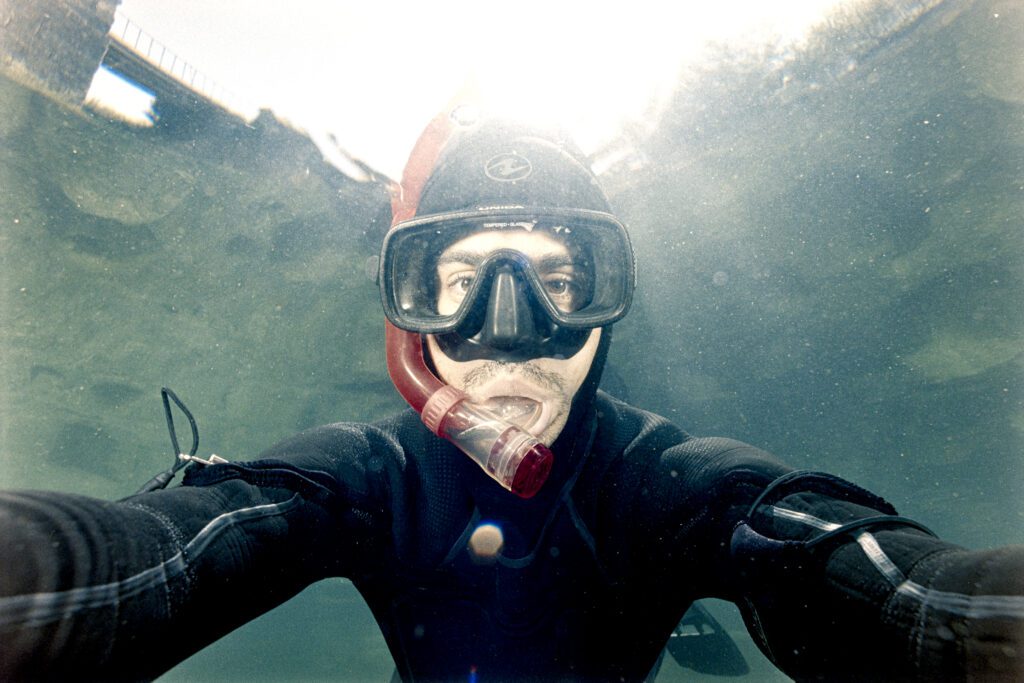
Everything I’ve experienced has shaped who I am today. I continue to work in photojournalism and documentary photography; they are my foundation, but increasingly, I feel drawn to the water, to capture and share what so few have the chance to see.
What level diver are you and where do you like to dive?
Right now, I have PADI Nitrox / Advanced Diver, and I'm finishing TDI's Intro to Tech
What inspired you to specialize in underwater photography?
What inspired me most was my father. He began photographing underwater before I was even born. When I was little, I used to look at his photos and videos with endless curiosity, always asking to see more. About five years ago, I even took his old Nikonos camera, complete with the old ULCS arms, and to my surprise, everything still worked perfectly!
Of course, I was also deeply inspired by Jacques Cousteau’s The Odyssey, a series of underwater films that I watched many times growing up. The Silent World continues to inspire me as well, and in underwater photography, David Doubilet and Jennifer Hayes are my biggest idols.
What were some of the biggest challenges you faced when starting out?
I come from a background in documentary photography and photojournalism on land, where I can change lenses whenever I want, swap memory cards, and move freely. But when I started diving, everything changed. It’s not the diving itself that’s hard to adapt to; it’s the time. Underwater, every meter counts. Every movement, every breath, every second matters for safety. Balancing that constant awareness while trying to capture strong images isn’t easy. With time, you learn to manage it, but in the beginning, one hour underwater feels like just five minutes on land.
Can you share a memorable moment or experience from your underwater adventures?
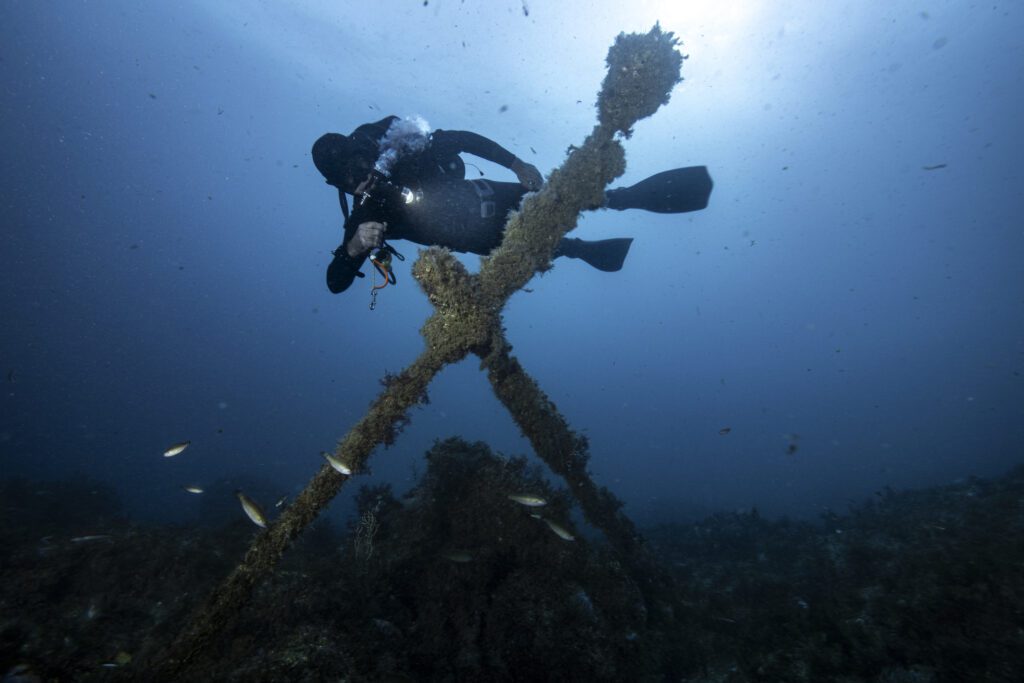
The best diving experience I’ve had so far was making my father dive again. He hadn’t been underwater for 20 years, and convincing him to return was something truly special. Sharing a dive with him after all these years was one of the most unforgettable moments of my life. On the boat ride, he kept telling stories about what diving was like in his time, using a Mistral, a bib, going down to 40 meters with a 12-liter tank, barely a meter of visibility, and training without a mask. Listening to him brought the past to life, and seeing him back in the water felt like closing a beautiful circle between generations.
What are your favorite locations or dive sites for underwater videography, and why? Without a doubt, it’s Sesimbra. Just five minutes from my home, I have the chance to discover something new every time I dive there. I can go whenever I want, with a tank or just freediving, and each dive reveals new corners and hidden life. It’s undoubtedly my home, a place that always offers good surprises: sunfish, sharks, even basking sharks, and sometimes large whales or orcas. Sesimbra is a true sanctuary, it’s where I dive at home.
What camera setup do you currently use for underwater photography? Right now, I'm using a Nikon Z8 with a Nikkor 17-35 ED F2.8. I love this setup. The old lenses are much faster with the FTZ adapter and the Nikon Z8 or Z9, and this lens has an abysmal quality. I love 17mm for wide-angle, and having a 35mm zoom is an asset for some images. I recommend this setup and this lens.
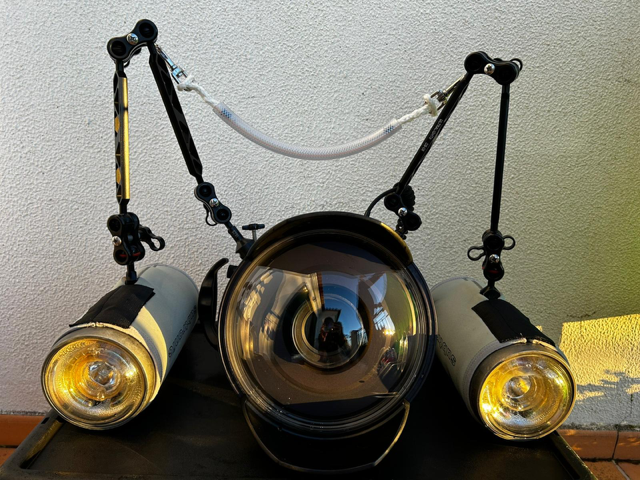
I use a Seacam Housing with two Subtronic Mega Color flashes. They are old, but I can change the color temperature in the flash itself. I found this very interesting.
Do you prefer macro or wide-angle photography, and why?
I love wide-angle photography. It allows me to capture the environment around me, to show the vastness and beauty of underwater landscapes, to portray technical divers in action, and to get close to marine animals while still revealing the world they inhabit. Through wide-angle images, I try to connect the subject and its surroundings, showing the harmony and scale of life beneath the surface.
Do you prefer strobes or natural light, and why?
I like to mix the two. When I photograph animals, I want to light them well and show the environment behind them. I also want to photograph landscapes, and when the light is good, it's not worth using the flash.
Do you have any favorite settings or techniques for capturing sharp, vibrant underwater images that you can share?
Patience and waiting for the right moment are undoubtedly two of the techniques I rely on most. However, what helps me even more is carefully planning each dive and thoroughly studying both the subject and the underwater environment, so that when we are there, nothing catches us by surprise.
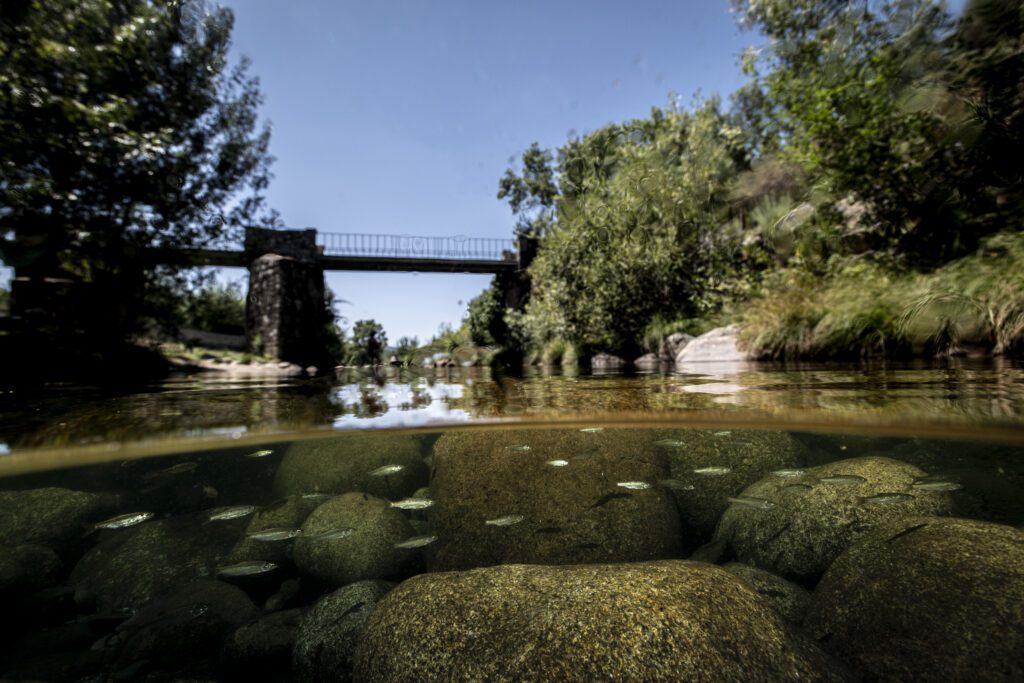
How do you stay updated on the latest techniques and technologies in underwater photography?
That’s a great question. I always like to stay up to date with new technologies. I follow several YouTube channels that review gear, but even more importantly, I follow the official channels of brands, which often share their latest products and innovations.
What’s your favorite piece of gear from Ultralight and why?
I really like the ULCS DB-08, it's one of the main pieces of my setup and it never let me down, it's the right size for what I do, and it connects my flashes to the Housing in a very secure way.
What inspires your underwater photography? Do you have a specific theme or style?
I draw a lot of inspiration from other photographers. Many create truly remarkable work, such as Laurent Ballesta, David Doubilet, and Jennifer Hayes. Even photographers who don’t shoot underwater, like Henri Cartier-Bresson, James Stanfield, and Eddie Adams, serve as important sources of inspiration and study for me.
I particularly enjoy blending ambient light with artificial light. When I photograph larger animals, I like to experiment with slower shutter speeds to capture a sense of movement and atmosphere.
How do you approach composition underwater, considering movement and marine life behavior?
I always try to approach calmly, staying close to the bottom without disturbing gorgonians, corals, or other fragile marine life, so as not to scare the animals away. Many of them are naturally curious and tend to come toward us if we remain calm. Often, it’s our impatience that drives them away.
What’s your favorite type of marine subject to photograph, and why?
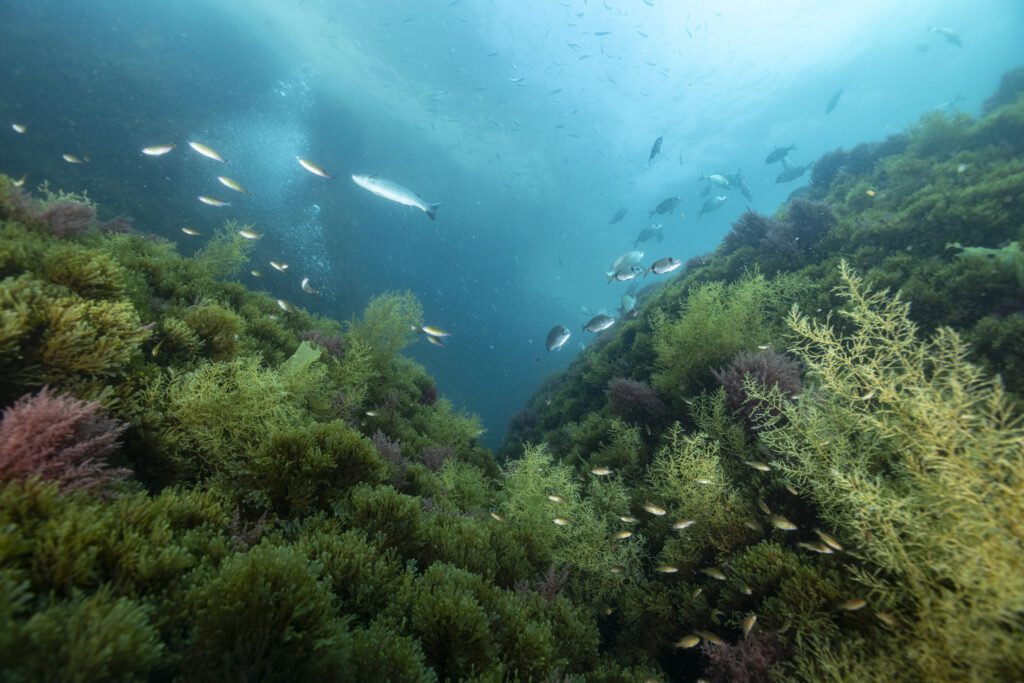
What I love most about this theme is the underwater mountains. I’m fascinated by rocky slopes surrounded by the deep blue of the sea. These areas often host passing schools of fish, corals, and even small animals, but from a wide-angle perspective, they make for striking images, with or without a diver.
I’m also drawn to shipwrecks, which are hotspots for marine life. The atmosphere there is magical.
Have you ever encountered any unexpected or dangerous situations while doing your photography underwater?
Once, I was photographing a nudibranch in macro mode, kneeling right next to a rock, when my father touched me on the shoulder, telling me to get out of there. When I moved, I realized there was a poisonous fish right under me, between my legs. It’s funny now, but at the time, it definitely wasn’t!
Do you use your photography to promote ocean conservation? If so, how?
Without a doubt!
Every underwater photographer plays a role in conservation, whether voluntarily or not. Just by posting an image of a marine animal on social media, we are already contributing; we are showing the world what exists beneath the surface.
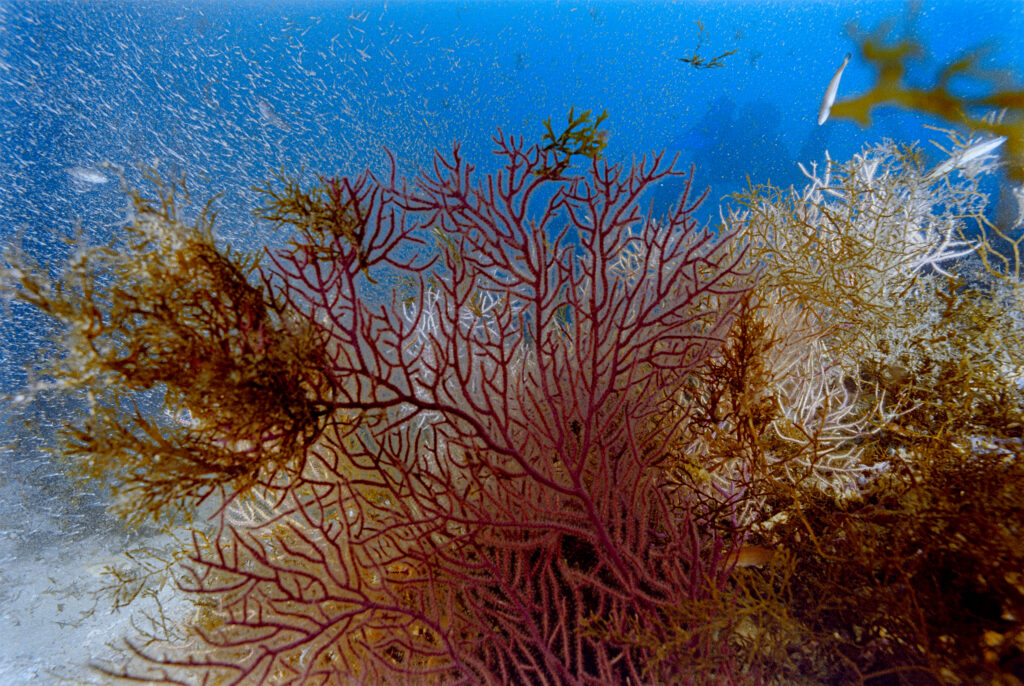
In my case, I started the Analog Sharks project, which promotes the protection of rays and sharks in Portuguese waters through analog photography. The project is still in its early stages, but over the next four years, we hope to gain more followers and support, helping Portuguese waters regain a greater diversity of these species than they currently have. It’s also about raising awareness and showing people that, yes, Portugal is home to sharks and many species of rays.
Are there any conservation projects or initiatives you’re passionate about?
There are several projects that I find very inspiring. For example, the Sea Legacy project with Paul Nicklen and Cristina Mittermeier, Dr. Jane Goodall’s Roots & Shoots initiative, and here in Portugal, the Generation Earth project supported by WWF. There are many interesting initiatives and opportunities, especially in times like these, when we should take the lead in creating our own. The key is to have ideas and make the effort to put them into practice.
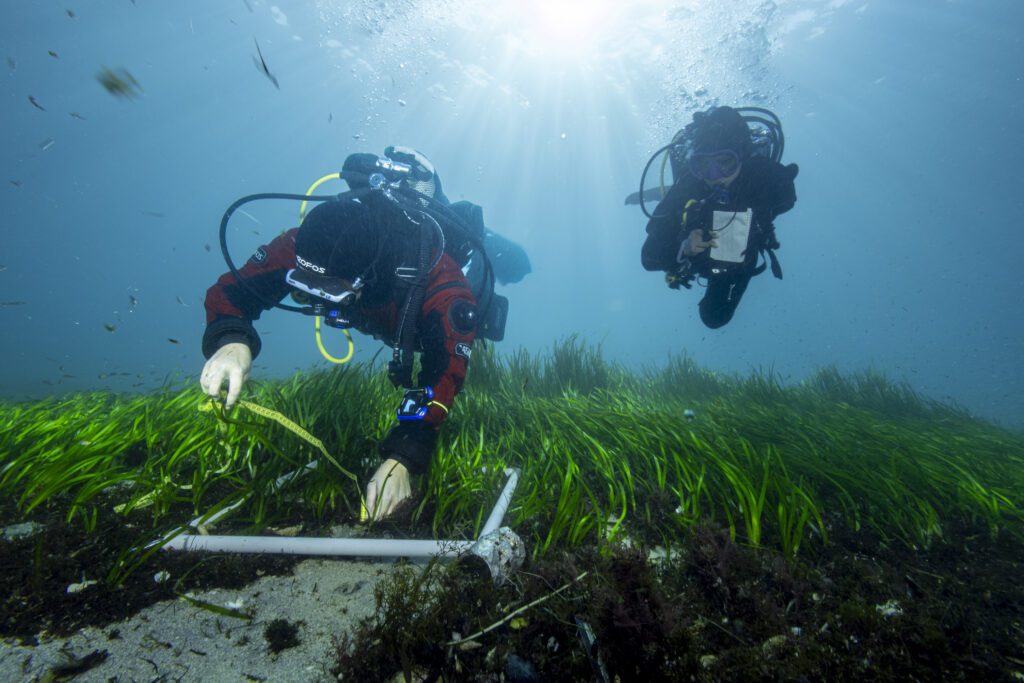
How do you think underwater photography can contribute to marine conservation efforts?
Underwater photography is a powerful tool for ocean conservation. By showcasing marine species, habitats, and the scientific work taking place beneath the surface, we can raise awareness. Sharing these images is an important step toward protecting these environments. Advice for Aspiring Underwater Photographers
What’s the best piece of advice you’d give to someone just starting out?
The best advice is to have fun, enjoy the sea, the species, and try to discover (safely) new places near your home, new areas where you can even find species new to science.
What are common mistakes new underwater photographers make, and how can they avoid them?
The biggest mistake many photographers make when starting out is putting photography before diving safety. First and foremost, we must always prioritize safety underwater; it’s not worth capturing a great image if it puts our lives at risk.
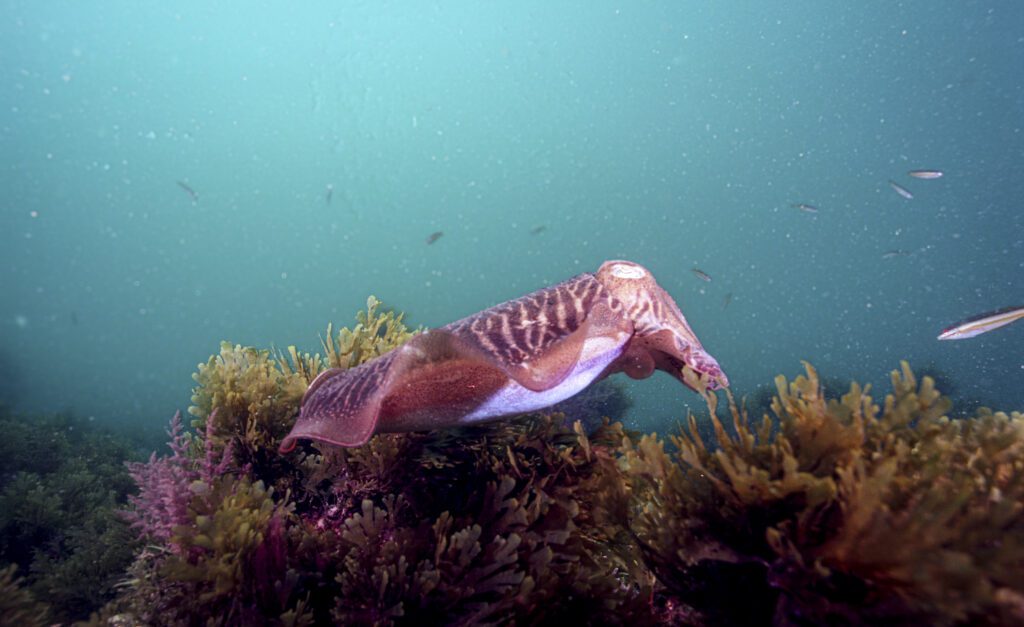
Over time, as we become more comfortable in the water, the best photos happen when the ocean surprises us, not when we try to force it to deliver an image.
Any recommended resources (books, courses, workshops) for learning underwater photography?
For me, there are two ways to learn photography: books and YouTube. YouTube offers unlimited content, and we have so many options.
The key is to choose what to learn and then practice it; that’s how I learned, and it remains an incredible resource.
Two books I can recommend are Magnum Contact Sheets and The Manual of Underwater Photography by Verlag Christa Hemmen.
What’s next for you in your photography journey? Any exciting projects or goals?
I have big ambitions for the Analog Sharks project. Over the next four years, I want to showcase the species of sharks and rays that exist in mainland Portugal, the Azores, and Madeira.
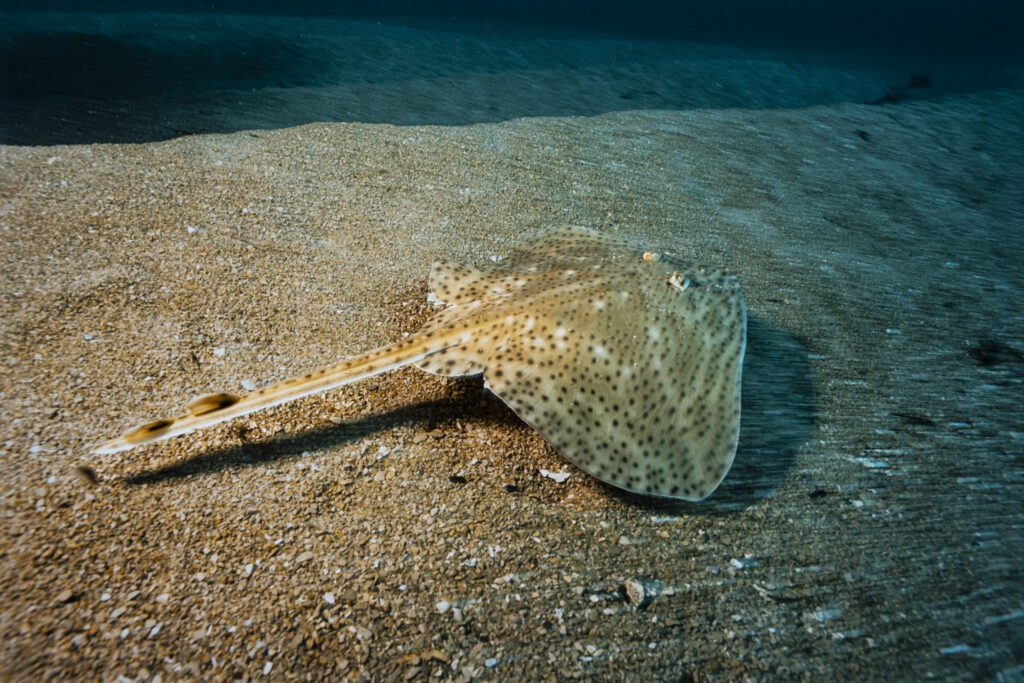
The funniest part is that it will all be done with analog photography, a format that many consider outdated, but for me, it will form the foundation of the project.
I aim to document rays, sharks, and scientific research entirely without digital images. It will be challenging, but incredibly fun. My hope is that people will fall in love with these animals and the project itself.
What does being an Ultralight brand ambassador mean to you?
Being a ULCS ambassador means I can rely on the support of a quality brand that cares deeply about its products.
It also means that in every project I undertake, I don’t have to worry about whether a piece of equipment will fail or break. From my experience using this gear, I know that won’t happen.
This reliability allows me to focus fully on creativity, knowing that my equipment will never be a limiting factor.
How did your partnership with Ultralight come about?
This partnership came about because of the Analog Sharks project. I needed equipment and reached out for support. I wasn’t expecting an invitation, but Ken was, as always, incredibly friendly and helpful. He asked if I would accept becoming a brand ambassador, and I couldn’t refuse.
It’s an amazing opportunity, and I hope this partnership continues for many years to come.
Has working with Ultralight influenced your photography?
Of course, I don't have to worry about equipment failures.
What excites you most about being a brand ambassador for this company?
Sometimes I come up with ideas for new equipment, things that aren’t available for sale online. ULCS allows me to submit proposals for new products and ideas, which I find fantastic.
What unique features of Ultralight do you find most valuable?
I really appreciate how easy it is to contact ULCS, whether via Instagram or email. They respond as quickly as possible and always try to help, which I think is very important.
Can you share a project where this gear significantly impacted your work?
During the filming of the documentary 23 Miles, I used four old DB-08 ULCS arms, 20 years old, and it has never failed to this day.
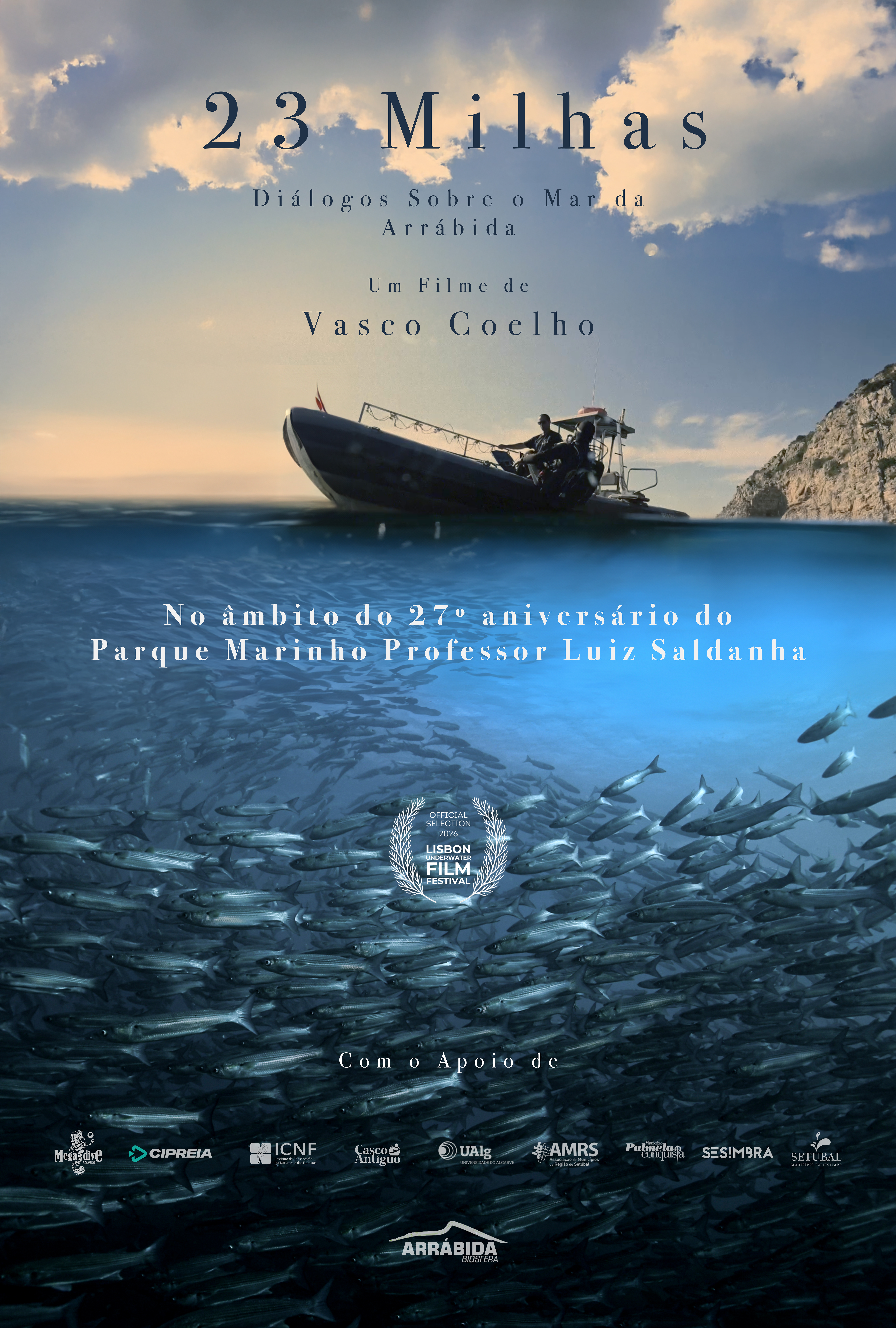
It made handling the equipment underwater much easier and removed one more concern for me. I didn’t have to exert extra effort to move the housing in the water because it was perfectly trimmed.
Do you get to test or provide feedback on new gear before it’s released?
I haven’t had the time for that yet, but I hope to be able to collaborate and provide feedback on new equipment in the future.
What advice do you have for photographers who want to work with brands?
It’s a great opportunity to expand the creative potential on every dive. The variety of equipment is immense; we can choose any piece, combine it with another, and create multiple setups, from macro to wide-angle.
Have you ever thought about taking the flash off the arms and away from the camera? It’s possible to place the flash on a tripod and use it that way. With equipment like this, creativity is the only limit, and that’s fantastic.
Thank you, Vasco, for taking the time to share more about yourself and your work with us. We definitely picked up a few new things, and I’m sure our customers did too. It’s always great hearing how someone finds their way into a field they love—the wins, the lessons, and everything in between.”
For more information, you can find Vasco at his Photojournalist website, Analog Shark Instagram, YouTube channel, and personal Instagram
At Ultralight, we believe our gear is only as good as the underwater photographer, cinematographer, or camera assistant it supports, and no one showcases that better than our Brand Ambassadors. To give you a closer look at their images, stories, and the passion behind their work, we asked each Ambassador a series of thoughtful questions about their backgrounds, favorite rigs, and what inspires their photography and filmmaking. It’s our way of sharing not just how Ultralight gear is used, but also the creativity and spirit of the people who bring it to life.
Could you please share a little about yourself and the journey that brought you to where you are today?
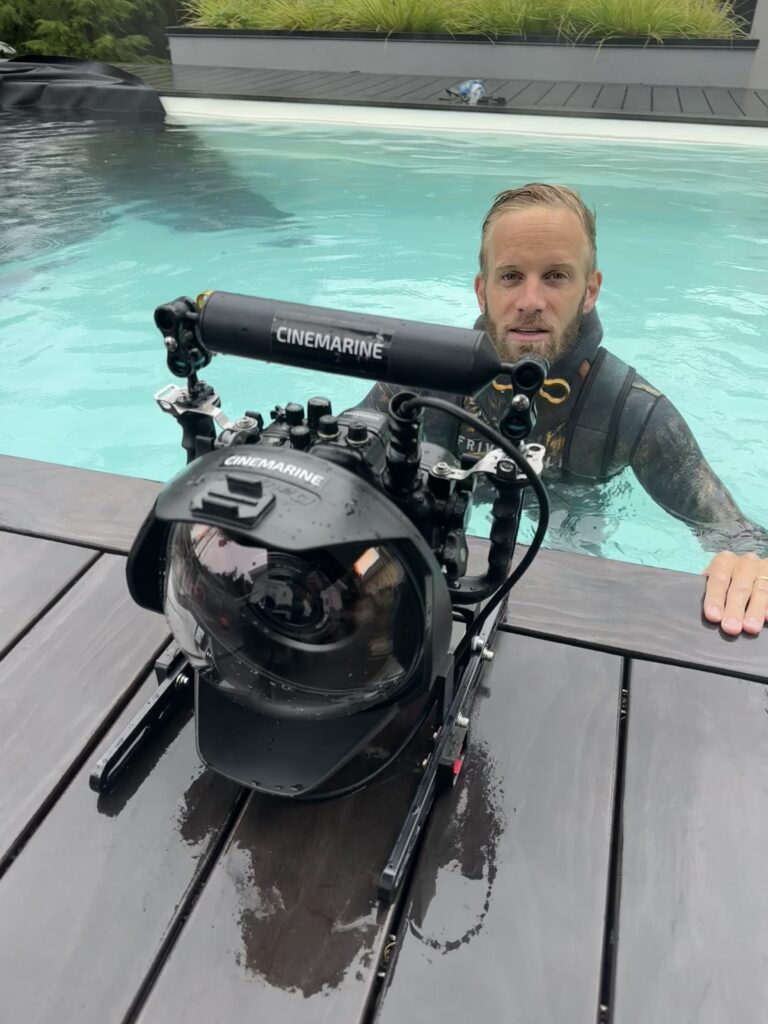
Sure, my name is Kjetil Astrup, and I grew up in the south of Norway, freediving after crabs in rich kelp forests in the archipelago. My family always travelled a lot, and I’m doing the same with my kids now. Seeing the world is a proper part of a proper upbringing in world history, culture, and food, which, I think, leads to healthy reflection and respect. As soon as I turned old enough to buy my own airline tickets, I went to the Red Sea to get my diving license. I saw a camerawoman onboard our boat with an Ikelite housing. At the same
time, I was about to start my cinematography studies, and I thought that the water element
mixed into my coming career would be something I needed to delve more deeply into. The year
after, I had her job, and I moved to Egypt, where I was filming in the water for half a year. My
voyage took me further on to South-East Asia, where I was based in Thailand for quite some while,
and then backpacking and filming through Borneo, West Timor, Indonesia, Malaysia, Vietnam,
Singapore, Laos, Cambodia, continuing on to my last years of film studies on the west coast of Australia,
in Perth. When I graduated, I moved back to Norway, as my vision has always been to contribute a
professional element of water-related filming to the film industry in Scandinavia.
What things in life have helped you get where you are today?
Getting where I am today is thanks to having a foot in both the diving and the film industry. I’ve
been running a few diving centres, arranged dozens of diving expeditions, hung around the
DEMA, IBC, and BOOT expos and dived on almost every continent. Over a couple of thousand
dives later broadens your horizons and gives you a lot of friends around. For example, now I’m
using my vast connection network of divers whenever we need a specific diving location.
Also, my parents always cheered me on chasing my passion dreams, and after I met my Swiss
wife (working diving on Gili Island in Indonesia), she has been my biggest supporter in doing what I
love, underwater cinematography.
What level diver are you, and where do you like to dive?
Today I’m a PADI Master Scuba Diving Trainer with speciality in tens of courses; ice, self-reliant,
first aid, photo, film, amongst others. I’m also a commercial diver, as some countries demand
different types of regulations when filming/working in water. I love tropical diving, but also cold
water diving. As long as the waters are nutrient, vivid and colourful, I enjoy it. But I’m also fond of going
under the ice for the special light and unique environment. And of course, some of our strangest
but most fun work is filming in tanks for movies.
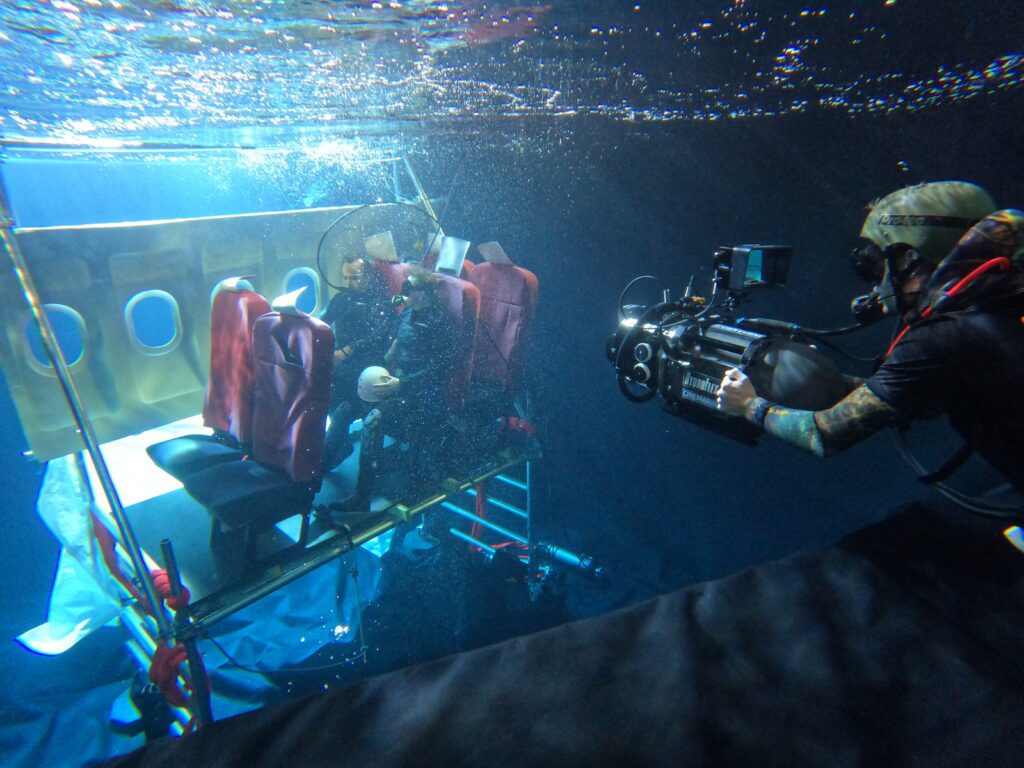
Can you share a memorable moment or experience from your underwater adventures?
One of my best moments from a diving expedition was on our honeymoon. We went diving and filming
great white sharks at Isla Guadalupe, outside Mexico, more than ten years ago. No cage and with
the supervision of Dr. Mauricio Hoyos. Extremely grateful for the seriousness of the expedition,
taking care of the animals, respect for the shark king of the ocean, and also our humbleness in getting
the shark in front of our lens to show and educate others. At one point throughout the dive, we had
three 5-meter great whites around us. The whole situation manifested in me that this was it, I’m
supposed to be behind a camera in water. Sharks or actors, this is what I’m going to do the rest
of my life. It didn’t help that my night reading was Blue Water, White Death from Ron & Valerie
Taylor's shark adventures.
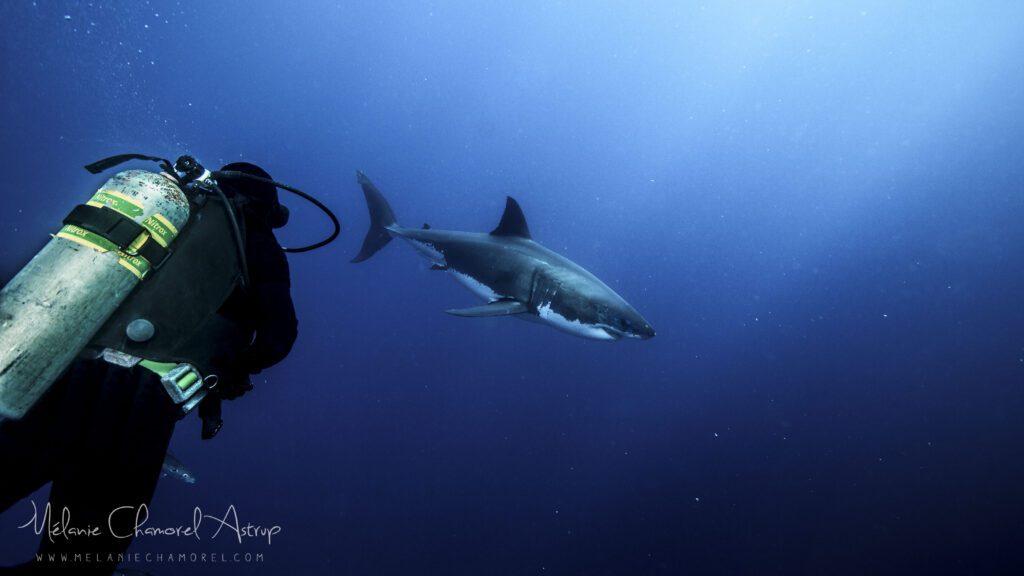
What are your favorite locations or dive sites for underwater photography, and why?
I can’t really say if I have a favourite dive site for underwater cinematography. Every brief is always
different. As I’m also the coordinator of every water unit expedition my team and I go on, I
find interest in the process of unlocking the solutions for every project. Last October, we needed
to film beauty shots of tuna for a TV series where we ended up outside Comino Island in Malta. In
the middle of the pandemic, we needed to find a lake in Europe with crystal clear water, solid ice,
ok logistics, and the possibility to travel in a crew from the Netherlands and Norway. We did all the R&D as it was a highly specified underwater shoot, and that’s, of course, our specialization. We ended up in
the Tyrol mountains north of Italy, where we filmed scenes over and under the water for Netflix.
Non-work related, if I could choose right now, I think my top 5 want-to-dive sites would be
mantas and dolphins at Revillagigedo Island, cownose rays at Baja California, whale shark diving
in Oman, I haven’t been to Raja Ampat, and on that same trip, I would go to Maluku to find and film
the mysterious leatherback turtle! Also, I have a few secret spots in Thailand I need to explore soon.
What camera setup do you currently use for underwater photography?
As every dive brief is different, the same goes with the tech. My in-house rig is the low-light king, Sony
A7S3. I go a long way with that one when we film orcas and humpbacks up in the Arctic with very
little sunlight. I tend to film a lot between 16 and 40mm, so my lens kit would be somewhere
around that. I always pack a couple of wide-angle lenses in addition, working as backups but also for establishing and general wide-angle shots. I have the wet lenses Sea&Sea SWL-Fisheye 12mm
f/3.5 and Nikon UW Nikonos 15mm f/2. Super sharp old lenses that still work great. In addition, I
film a lot with the Sony FE 16-35mm f/2.8 GM zoom lens in a Nauticam housing, what the WACP-2
dome. I can get some really close shots, but also the split shots on the surface with this amazing,
thick lens glass. The fun lens is the 24mm macro snorkel from Laowa, which I have an underwater
adapter for, so I can submerge the whole rig and do super macro with a wide background.
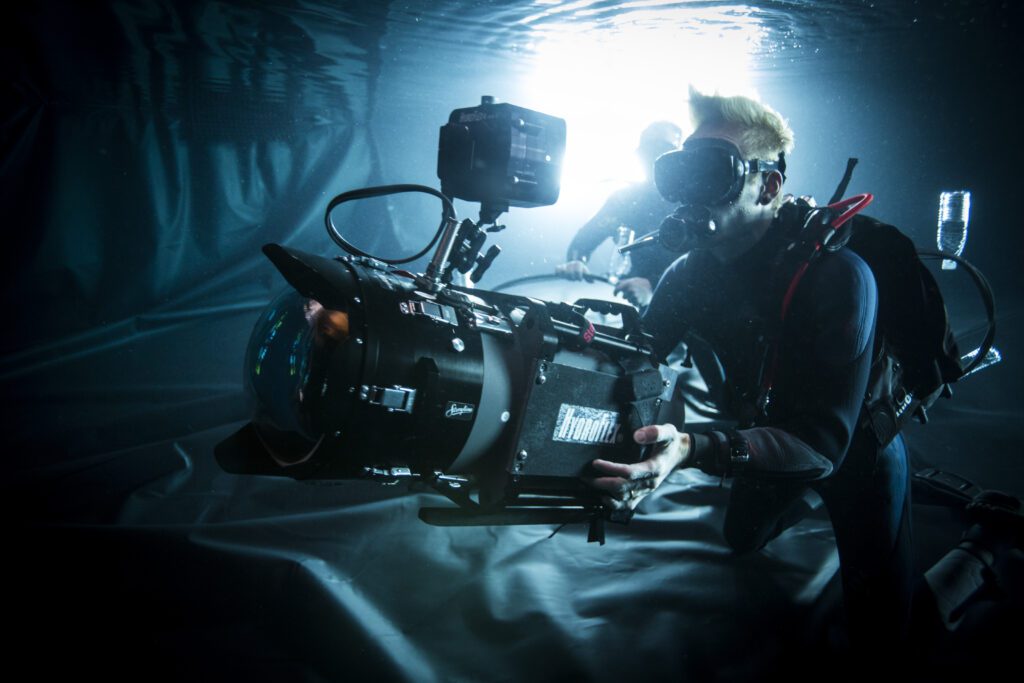
When filming for movie projects, we tend to use bigger cine cameras to align the workflow from
A-cam. My company, Cinemarine, is representing Hydroflex housings in Northern Europe. That
housing has no limitations, fits all cameras and lenses. Analog, digital, primes, and zooms. Even
the super-slow-motion 4K camera Phantom. It’s all packed to travel, as we fly worldwide with all
the gear we have.
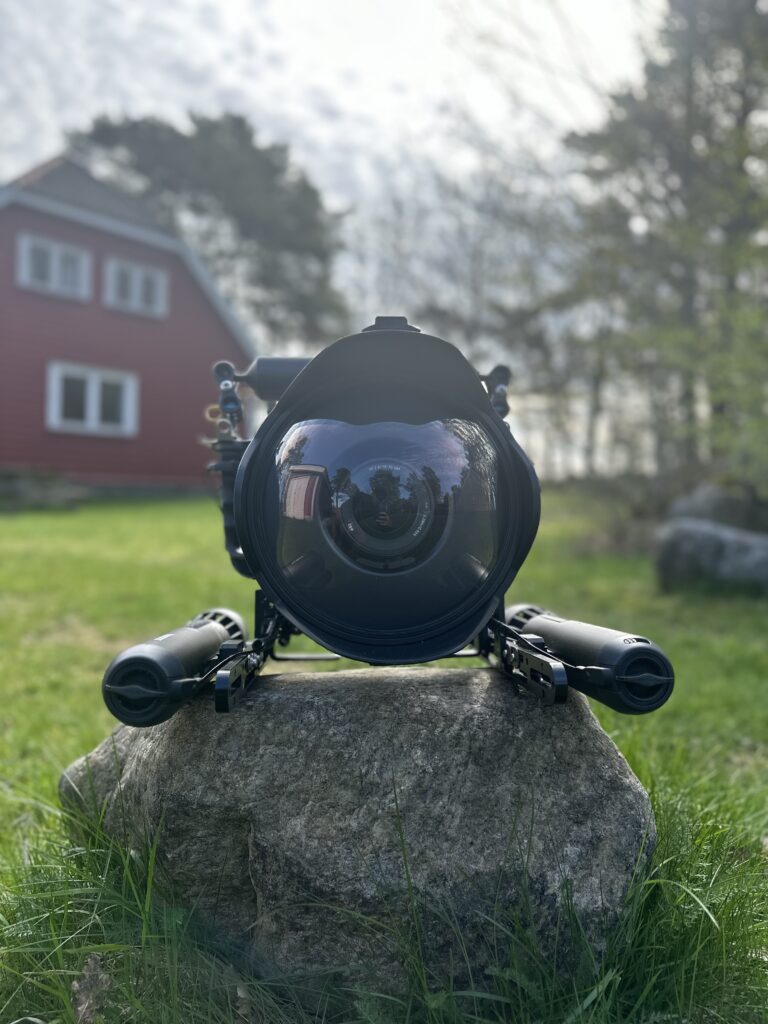
How do you decide what gear to use?
My gear preferences are always project-based. I’ve used Gates, OceanEye, and IMAX
(Hydroflex), Nauticam, Amphibico, Ikelite, Hugyfot, custom rigs, etc., all there is. Each tech is there
for its own reason, whether shooting macro wildlife or actors in an indoor pool. I love doing both. I find it as much fun filming eyes on a scallop as well as action scenes with actors in a pool with added
wind, current, and waves.
Do you prefer artificial or natural light, and why?
Shooting in nature with a wide-angle lens, I rely heavily on natural light. Only sun if you want the God
rays, or cloudy if needing a nice overall diffused light from above. I always bring with me a couple
of Keldan lights and a small LED panel that can fit in my BCD pocket if I need more focus light or
get rid of raccoon eyes inside a mask.
Do you have any favorite techniques that you can share?
Planning a film dive is always very much about checking the weather forecasts and getting proper local intel on visibility. I get local divers to give us hands-on feedback and to provide photos/video, as vertical and horizontal visibility can differ. You have to add in thermocline, halocline, plankton floating around, river outlets, current, and water color. Standing on a jetty, looking down into the water, only gives a brief glimpse of what's happening underwater. I have accounts on Windy, YR, Vesselfinder, and other channels to check for wind direction, sun direction, weather movement, and boat traffic. Offshore wind, no rain for a couple of days, and a cloudless sunny day, outside of the plankton season is always a good bet for excellent visibility and stable conditions.
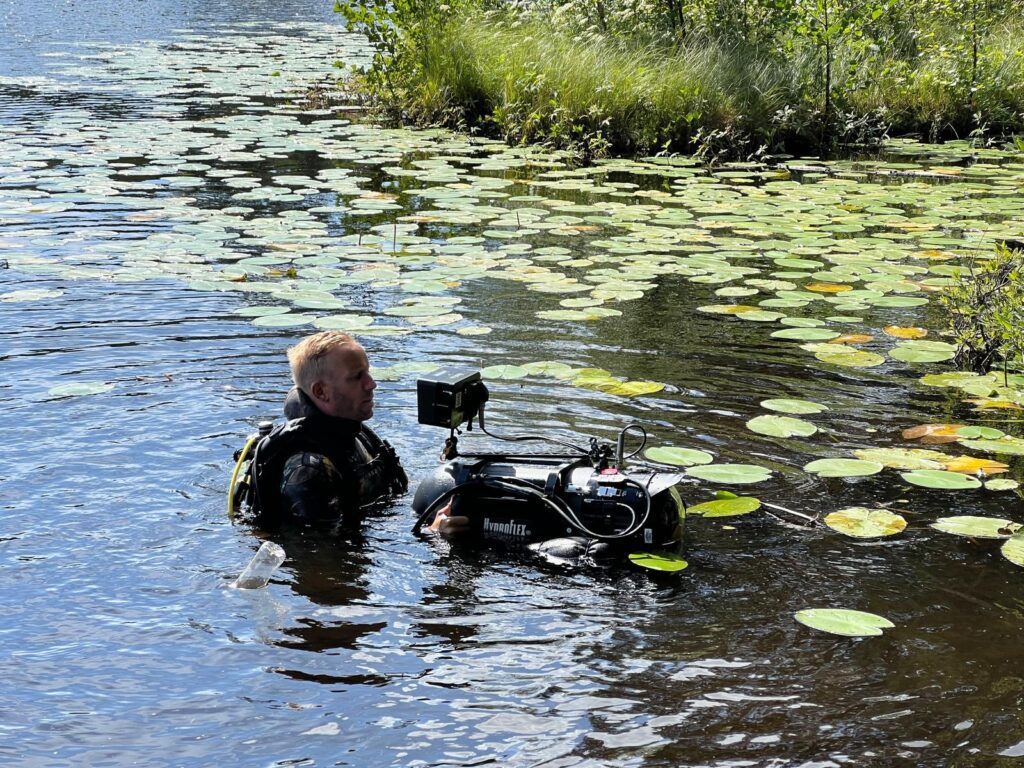
Another key factor for good visibility is, of course, the ever-important issue of buoyancy. Therefore, I’m a frogkicker, in any given situation, been practicing my helicopter and reverse turns a lot. I was really inspired while filming in caverns for a feature film in Mexico; it saved me in many small positions, both in exterior waters and in pools with film set constructions. The advanced dry suit experience I get in cold water is also beneficial to my overall buoyancy skills, as it's a technique that involves using your whole body as a float and trim device, not just the BCD.
What’s your favorite piece of gear from Ultralight and why?
My favourite gear from ULCS must be the cutout clamps with ball heads, which I use on almost
every project we have. Either for holding a monitor, a sunshade, a light, or props. Actually, I use all
my ULCS parts annually; there are so many different builds, which is the best part about it. The cardellini
clamp kit you should always pack in your bag.
Can you share a project where ULCS gear significantly impacted your work?
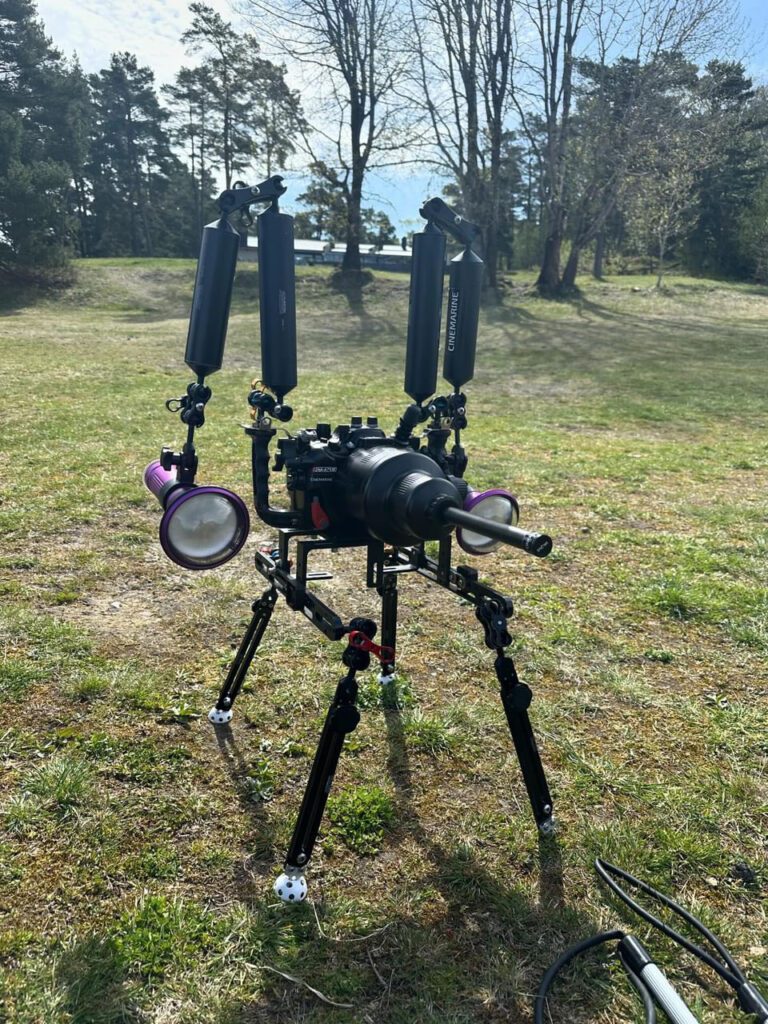
I’m most proud of having contributed to the underwater camera sled tray kit. For years, I looked for a slick leg setup for smaller cameras like my Sony A7SIII. I needed several attachment points around, both for weight calibration and to add other ballheads and buoyancy concepts. And most importantly, getting away from the strain on the dome when putting the camera flat down and the overall anxiety of handing the rig to somebody who doesn’t know how to put it down safely. Ken did an amazing job by landing on a product made in the spirit of ULCS.
What is your creative process, and what inspires your underwater photography?
My creative process for getting inspired is quite broad. I like scrolling through visuals others have done,
especially older adventurous pictures from before we had all this tech and filmed ‘everything’. I
also head to local art galleries, aquariums, museums, and visit maritime workers. Travelling is a
key factor here, indulging in abnormal situations, Anthony Bourdain style. We’re in a period of time
where I think we’re over-informed on most things in the world, so it's still important to chase the
small stories, the mysteries, the other angles that will form your way. Many times, the best
learning is to go diving with a camera and do the practical tests to shape the ideas even more.
That way, you can tune your compositions and the predicament of marine life movements. That takes
time and many dives with different marine species. There are also different ways of filming for
commercials, docu-style, VFX, or motion picture. You have to plan and discuss factors like tempo,
transitions, and which feelings to convey, which music is added in post-production, and so on.
We did the underwater scenes for the Oscar-nominated documentary The Cave, and to really
sympathise the correct tempo, mood, and soundscape, we played the music score on underwater
speakers while I was filming at a depth of 16 meters in the water outside Kas, Turkey.
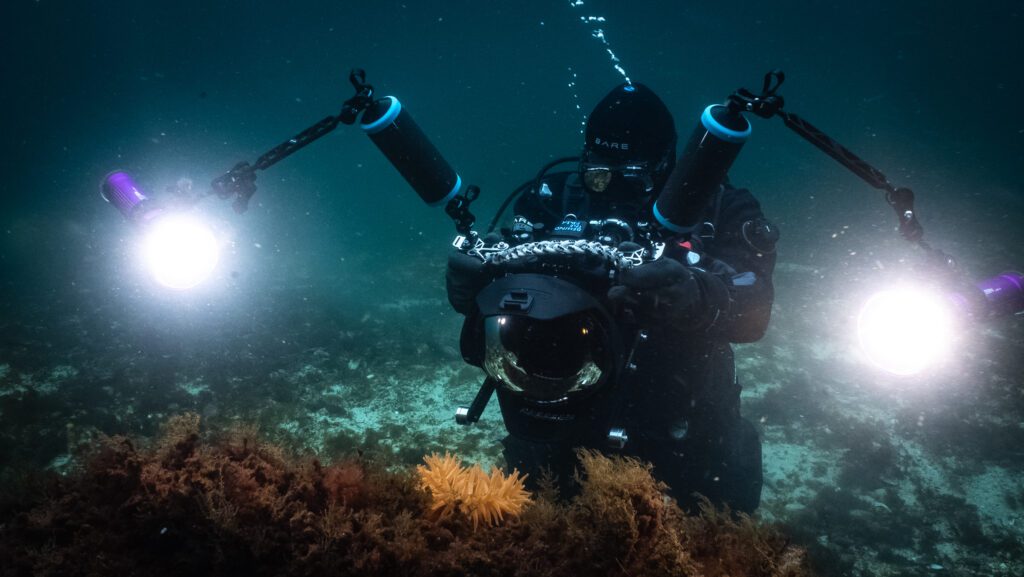
At my home turf in Norway, we do have a very unique orca and whale season in the wintertime. The
water is clear of plankton, with super visibility, and all the mammals gather into one fjord for a feast of
herring. We can easily dive with them as they are only interested in the fish. Last year, I filmed the
Sky Nature series Whale with Steve Backshall, and I had around 30 humpbacks passing beside
me and my camera. After that, the orcas gathered around us, and we had one teenager orca
circling Steve and trying to offer him a herring on several occasions. A magical nature experience.
I take great confidence and joy in filming big mammals. I have hundreds of shark dives. In recent
years, I’ve also delved into the macro world to show non-divers what the beautiful, colourful
underwater world could look like, especially with a cinematic approach to it. Shallow depth of
field, artistic angles, good colour grading, and it should take your mind to dream a bit about the
wonders of nature. As I’m also filming a lot of fiction and motion pictures, I really enjoy finding
concepts for actors in the water, and consulting with directors and scriptwriters on how to
perform it.
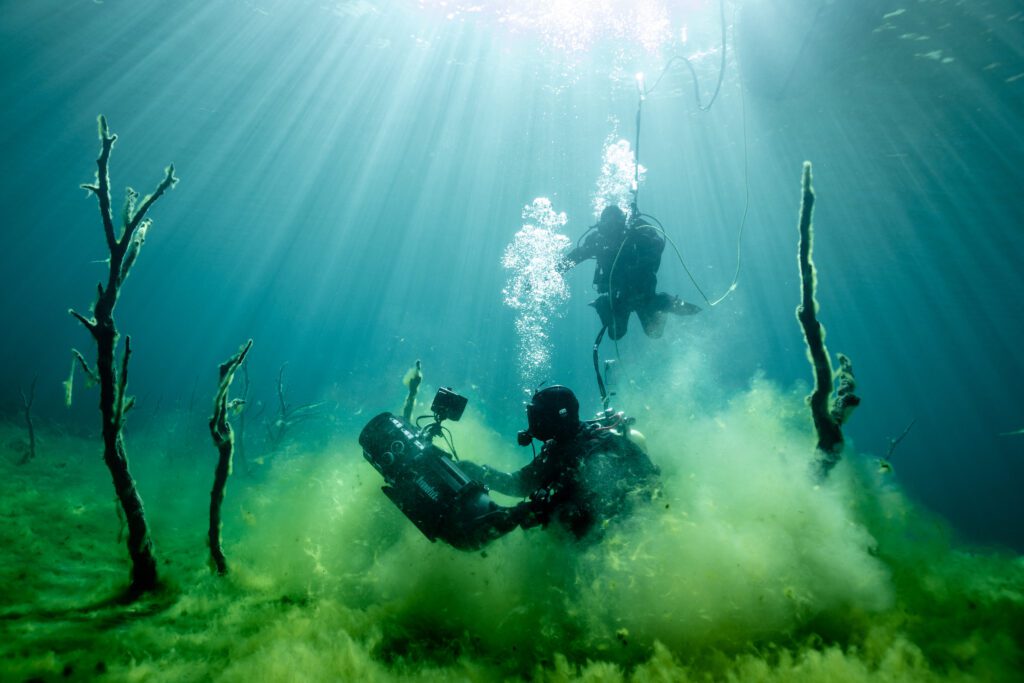
Many years ago, we did a short film in a special lake in Norway, which we call the
Atlantis of Norway. It's a sunken old village and forest, preserved in glacial water. The trees and
paths are intact. For this film, we cast a cold-water free diver to walk around in the forest at
4 °C / 39°F water without a wetsuit, only a costume. It became some of the most striking visuals I’ve
done as it's so out-of-the-ordinary, and it's real, all made in-camera, and it took a lot of planning,
trials, and effort.
Have you ever encountered any unexpected or dangerous situations while underwater?
As diving is also my job, safety is on high alert. Even though situations occur, and usually it's because of nature and animals. I’ve had a poisonous banded sea snake around my leg in Thailand, a moray eel attacking my camera in the Red Sea, and a dog shark biting a hole through my dry gloves in Norway. Everything went well by maintaining calm in the situation, lowering your heartbeat and breathing, and keeping your buoyancy level intact. The more dangerous dives I’ve had were in extreme currents.
At one point, my diving crew and I were in Thailand, where third-party hired-in diving contractors for the Thai navy were searching and retrieving a body. The area was a small island between two large islands, offering a strong current and a downward current. We performed snagline and circular search patterns, and the current was so strong that we had to use one of our hands to hold the half-mask onto our face, and the palm of our hand to keep the regulator in our mouth. It was exhausting, clinging to rocks underwater. In the end, without finding anything, we had to cancel as a safety measure. I’ve never been so out of breath underwater before, not recommended.
Do you use your photography to promote ocean conservation? If so, how?
Working in the water, you’re naturally an ocean conservationist. I’ve seen the decline of health in
our fjords in eastern Norway. I’m witnessing fewer fish in the ocean, especially in the Mediterranean.
The herring is moving further north in Norway, most likely due to climate and temperature change.
More subtropical species are closing in on the temperate zones.
Are there any conservation projects or initiatives you’re passionate about?
My team and I will always lend a hand if any organisation needs help. Filming plastic in the ocean, artificial reef projects, science, etc. We’ve done film and photos for several campaigns, exhibitions, and ads. One of my proudest projects is the Operation Jairo campaign honouring park rangers in Costa Rica protecting the olive ridley sea turtles. We, as underwater storytellers, need to literally lift these stories up from the deep to the surface. Don’t forget: most people will never scuba dive or even snorkel at coral reefs in their lifetime.
What’s the best piece of advice you’d give to someone just starting out?
To get into this business is really difficult and a slow process. There are very few spots as jobs are hard to get. My advice is to never give up, make things that stand out, and concentrate on your own lane and ideas. Make them blossom. Giving it all for your passion is paramount in a niche line of work. The most important way of learning is to go out diving. Go on diving expeditions abroad, adventures at your local spots, on good days, bad days, and enjoy every second of it.
Do you have any advice for aspiring underwater photographers & cinematographers?
To get inspired and awaken passion for the underwater world, I always enjoyed watching the documentaries of Hans Hass, Jacques-Yves Cousteau, Valerie & Ron Taylor, and Howard and Michele Hall. As a young diver, I also travelled the world, seeing much of the underwater world in Asia, which gave me a strong introduction and a lasting impression.
What’s next for you in your cinematography journey? Any exciting projects or goals?
Next up, our team just revealed that we coordinated the water unit for the biggest Arabic TV series in history. I filmed the underwater scenes of the naval battle between the Arab dynasty and the Byzantine Empire. When filming, with a Sony Venice and Cooke S7 lenses in a Hydroflex housing, the SFX dept. lit the water on fire, Byzantine soldiers were ‘shot’ by bow and arrows, and we’re filming them drowning in the ocean. Quite a visual story, and a huge honour for us to be part of the filming in Tunisia for this production. In the following months in Norway, we’re filming a new project for the biggest marine national park, showing the average Joe what wonders we have in our front yard underwater. Wide shots of kelp forest and seals mixed with macro scenes of nudibranchs and anemones.
What does being an Ultralight brand ambassador mean to you?
Being an Ultralight brand ambassador to me is an honour and something I talk highly of. It’s not only one of the most established product types in both the diving and film industry, but it's also hard, locally crafted gear, a solid piece of material, and low-maintenance. It’s not often these days you can tick all those boxes. On top of that, Ken and the people at ULCS are extraordinary when it comes to their way of leading ahead. They listen to customers, offer quick service, and will genuinely follow up on all requests. A role model, so to speak!
Has working with Ultralight influenced your workflow and creative process?
I’ve had Ultralight gear for about 15 years, so it was an easy ask when Ken and I started befriending each other in 2020. It fits well into my workflow, and since the products are so flexible, I can puzzle my way through many challenges of attaching monitors, shades, lamps, setups, and others in all the angles we need. Ultralight makes me better, and I hope it's the other way around, too. The most exciting part of this collaboration is challenging each other to find new ways to use the gear and to make new stuff for new needs out there.
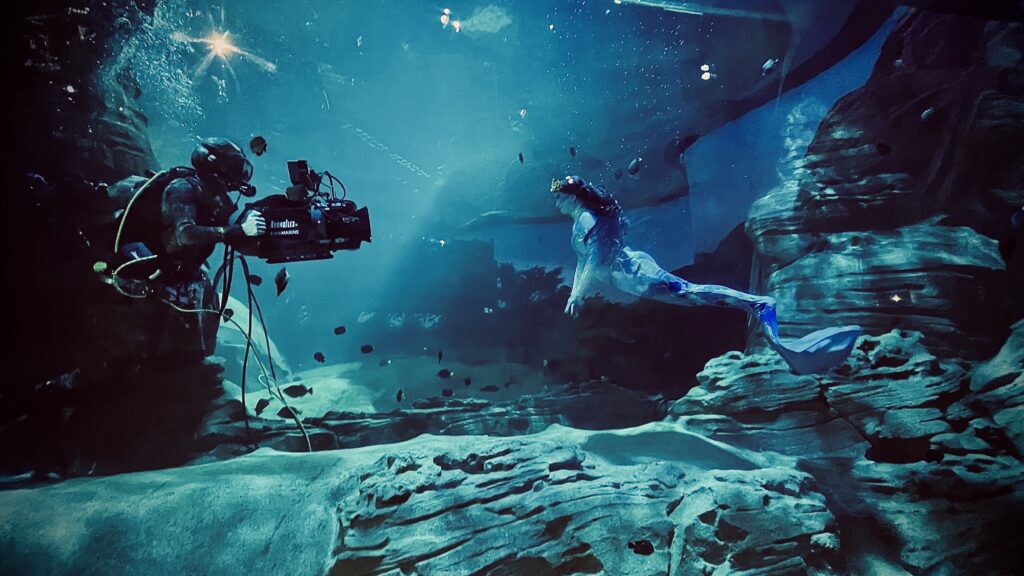
What unique features of Ultralight do you find most valuable?
Sometimes we film underwater with a pole, in other words, a polecam system. I’ve customised a 9-meter (30 ft) to our Nauticam Sony A7SIII rig and started to use it with super clamps and magic arms, as well as a few ballheads and Cardellini clamps. Now, I’ve tuned it entirely over to only use Ultralight products, as they are more solid in the water than magic arms. And it's more hydrodynamic and smaller in size. Filming fish underwater, in rivers, oceans, or aquariums, has never been better in terms of flexibility in moving, jibbing up and down, and having a lightweight rig.
Thank you, Kjetil, for taking the time to share more about yourself and your work with us. We definitely picked up a few new things, and I’m sure our customers did too. It’s always great hearing how someone finds their way into a field they love—the wins, the lessons, and everything in between.”
For more information, you can find Kjetil at his Cinematography website, his business Cinemarine, Instagram, and his IMDb page.
At Ultralight, we believe our gear is only as good as the underwater photographer, cinematographer, or camera assistant it supports and no one showcases that better than our Brand Ambassadors. To give you a closer look at their images, stories, and the passion behind their work, we asked each Ambassador a series of thoughtful questions about their backgrounds, favorite rigs, and what inspires their photography and filmmaking. It’s our way of sharing not just how Ultralight gear is used, but also the creativity and spirit of the people who bring it to life.
When you meet Walter van Dusen, it’s clear that cinematography isn’t simply what he
does—it’s how he experiences the world. Every conversation becomes a frame, every
observation a study in contrast, shape, and reflection. With a background that stretches from
decades of award-winning still photography to his latest adventures behind the lens at major
trade shows, van Dusen has carved a career built on precision, storytelling, and the art of
adapting light itself.
Please share a little about yourself and the journey that brought you to where you are today.
I grew up in Las Vegas, Nevada, and served in the U.S. Navy aboard a submarine based in Groton, Connecticut. After the military, I entered law enforcement and retired after 20 years. In addition to that career, I worked as a professional wedding photographer from 1997 to 2022 and founded Mystic Seminars, a wedding photography conference that ran from 2005 to 2019. Today, my focus is on video production and trade show interview coverage through Sights and Sounds Media.
What inspired you to get where you are today?
It seems I was born with a natural curiosity for how light shapes emotion. My journey began in still
photography, like headshots, corporate portraits, and pharmaceutical campaigns that demanded
exacting technical control and human connection in equal measure. Still, over time, I wanted to add motion to my work, which led me to where I am today.
“I realized I wanted to hear people’s stories, not just capture their expressions,” as Walter reflects.
“Cinematography became the natural evolution—an expansion of storytelling from a single
decisive moment to a moving narrative.”
Did you have any cinematography challenges early on?
The biggest challenge early on was adapting to uncontrolled environments where there are no second takes. Trade shows demand fast decisions and constant problem-solving. Some of my most memorable and effective interviews came from imperfect, last-minute setups that reinforced the value of experience, adaptability, and instinct.
Do you have a specific approach to your workflow?
As I ask Walter about his workflow, you’ll see the methodical mind of a cinematographer who
thinks like an engineer and feels like an artist. My on-set process begins with light. “I start by
reading the environment,” he says. “Lighting isn’t about overpowering; it’s about
complementing the existing story.”
How do you approach your interviews in such noisy environments?
Audio and speed are critical in noisy environments. I prioritize clean mic placement, consistent setups, and a conversational interview style. My interviews are a mix of scheduled and spontaneous conversations. If something is compelling, I approach directly, keep it simple, and focus on making the interaction feel natural.
What camera equipment do you use and why?
My go-to tools often include the Sony FX6, Sony FX3, and Sony FX30—a trio that balances
cinematic color science with compact reliability—plus the DJI Ronin 4D for dynamic movement
and stabilization. When paired with MAXIMA LED America’s fixtures or an SMDV Flip Softbox,
I can sculpt interviews that feel cinematic even on bustling convention floors.
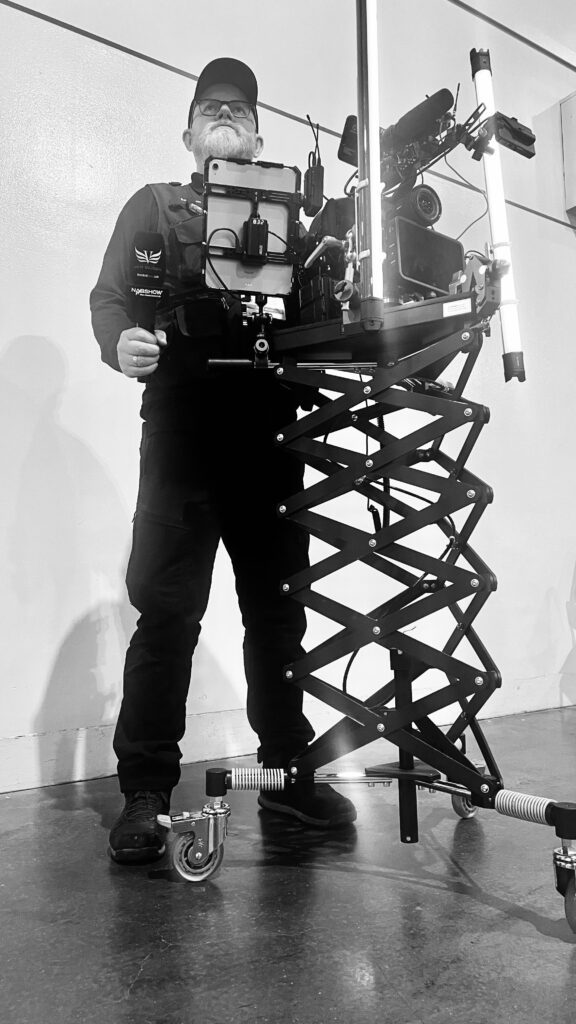
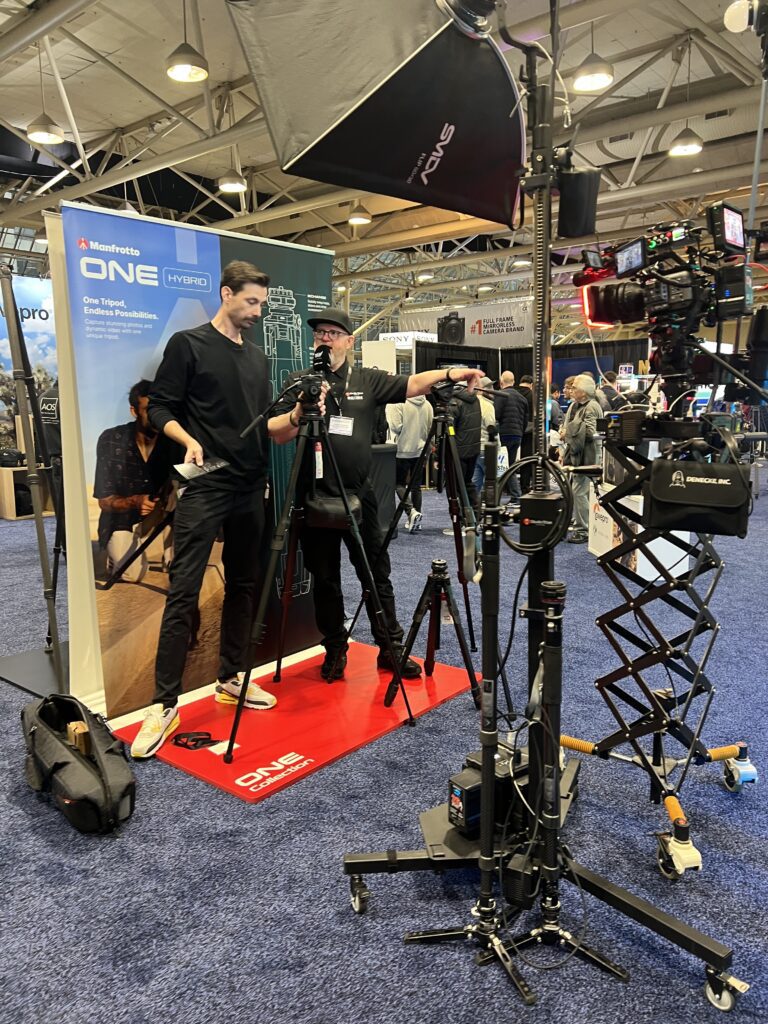
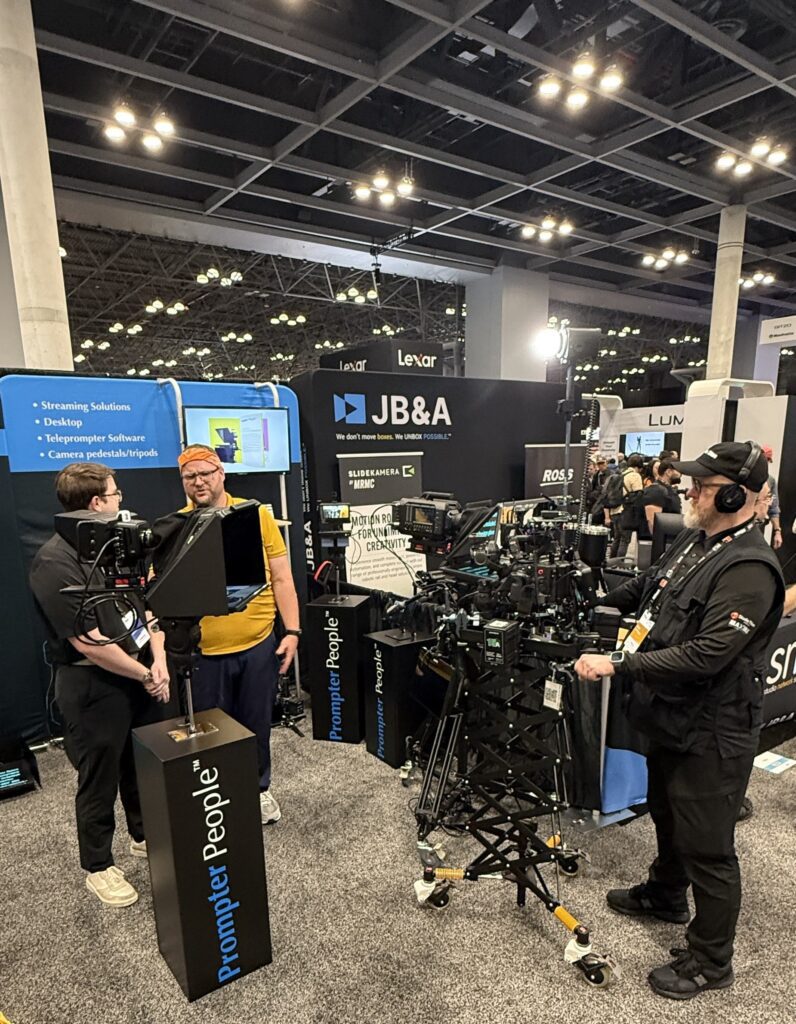
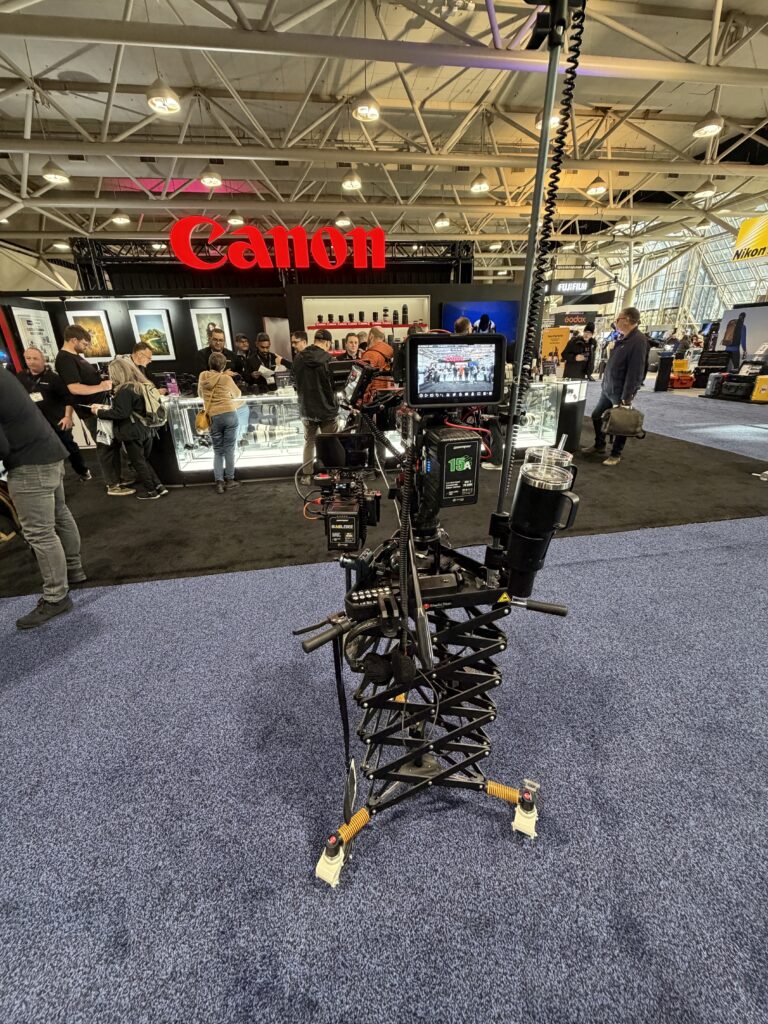
I choose gear based on reliability and efficiency. My core setup includes Sony FX-series cameras, Atomos monitors/recorders, professional audio, and constant lighting. The one thing I can’t work without is my rolling interview cart, which functions as a mobile production base and allows me to move quickly while maintaining consistent quality.
Can you tell us more about the rolling sissor cart you use?
I use the Studio Titan America STA-01-400 Scissor Camera Stand as the foundation of my rolling trade-show interview rig. Its compact footprint and single-handed height adjustment allow me to move quickly between seated and standing interviews in tight expo booths. Designed for stability on carpeted floors, it collapses small for transport while keeping my camera, audio, and monitor setup vertically stacked and ready to roll. I’ve paired it with a Sachtler aktiv8 to enable precise micro-level adjustments on the show floor.
Do you see any industry trends?
The industry is shifting toward authenticity and real-world demonstrations. Audiences respond more to honest conversations than polished marketing.
How do you feel about social media?
Social media is essential — not just for reach, but for trust, visibility, and long-term relevance.
Do you have any advice for emerging cinematographers?
My advice to emerging cinematographers is simple: earn trust through consistency. “Gear will
change; your integrity won’t. Build your brand on reliability, curiosity, and a willingness to share
what you learn.”
How did your use of Ultralight products come about?
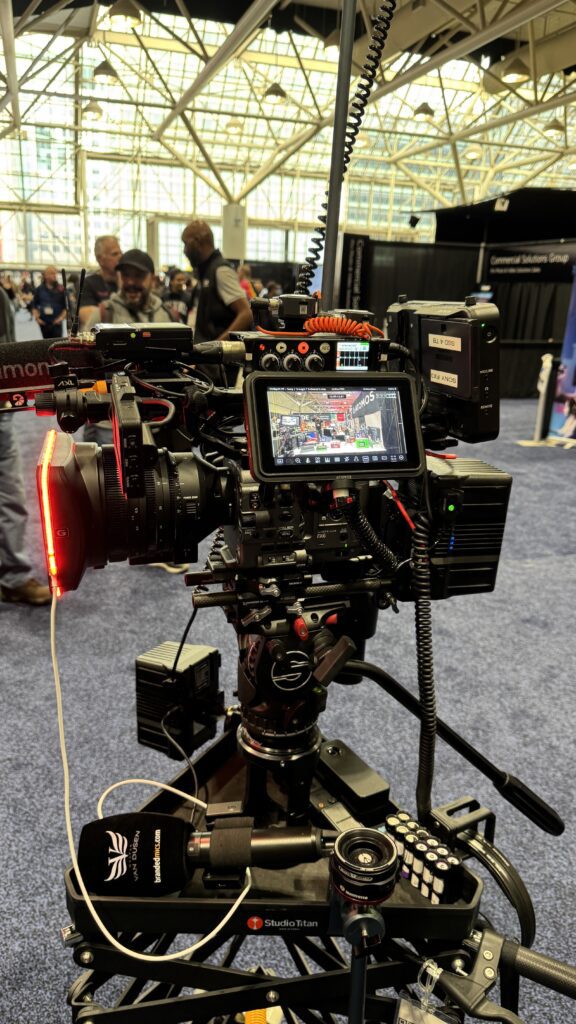
My connection with Ultralight began organically: through years of fine-tuning rigs for field
mobility. You eventually reach a point where every component has to earn its place. Ultralight gear does that; it’s strong, modular, and dependable. When you’re rolling a fully built camera dolly through a crowded expo as I do, every clamp, arm, and mount has to hold its ground. I rely on equipment that behaves like an extension of my instincts. That’s why precision accessories like those from Ultralight matter so much. They give me stability and control without slowing me down.
How did you become an Ultralight brand ambassador?
A couple of years back, I was ordering some parts directly from Ultralight, and Ken (the owner) was helping me out. As we talked, Ken realized the experience and knowledge I had in the Cinematography industry, as well as the value of us working together. We spoke several times, and then Ken agreed to meet me at the NAB show in Vegas, where we quickly became friends. Now I am an Ultralight brand ambassador. It's nice to support and work with a small business like Ultralight. Ken always takes the time to listen to any suggestions, good or bad, and, in fact, our time at the NAB show produced a new universal monitor part: the BA-UC-14.
What does being an Ultralight brand ambassador mean to you?
As a brand ambassador, I bring field-tested authenticity to the partnership. I don't feel I'm just promoting a product; I think that I am demonstrating how thoughtful design shapes real-world results. “Being part of Ultralight’s ambassador family means contributing feedback from the trenches,” he adds. “They listen. And that collaboration improves every piece they make.”
What are your favorite Ultralight products?
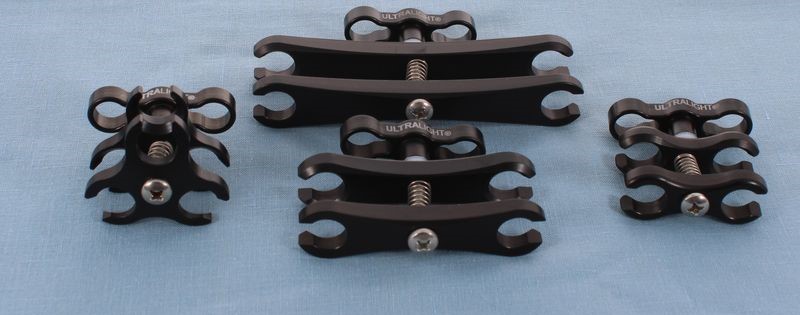
Ultralight gear supports my goal of efficiency. For my Atomos Shogun Ultra and Ninja Ultra, I rely on the Ultralight BA-UC-14 Universal Cinema Monitor Ball Mount for fast, secure positioning. I also use the AC-CSLXLSK2, AC-CSL, and AC-CSLXL clamps with 1/4”-20 threads, which give me flexible mounting options across carts and rigs. These tools reduce setup time, stay locked under pressure, and let me focus on the interview instead of the gear.
How has Cinematography changed your life?
“Cinematography gave me a lifetime of curiosity,” he says with a quiet grin. “Every project,
every frame is an opportunity to see differently. And that’s something I’ll never take for
granted.”
What do you do in your off time?
Off-set, Walter’s energy doesn’t dim. I am constantly developing new production systems for
Stills & Motion Media, testing accessories, or refining my custom Studio Titan America rolling scissor-stand dolly rig, the signature platform behind my trade-show interviews. I also enjoy spending time with my wife Angela, trading creative ideas or exploring new destinations on e-bikes through New England towns.
Lasting thoughts from Walter
Today, through my brand, Walter van Dusen Stills & Motion, whether it’s interviewing innovators at NAB Show Las Vegas, NAB NYC, Cine, Gear Expo Los Angeles, ProFusion Expo, or the B&H Bild Expo in New York, my approach remains constant: deliver authenticity through controlled creativity. “These shows are where innovation meets collaboration,” and “Every conversation on that floor—every product demo or impromptu interview—teaches me something new about how our industry moves forward.”
Thank you, Walter, for taking the time to share more about yourself and your work with us. We definitely picked up a few new things, and I’m sure our customers did too. It’s always great hearing how someone finds their way into a field they love—the wins, the lessons, and everything in between.”
For more information, you can find Walter at his Website, YouTube channel, DecentEXPOsure, and Instagram.
At Ultralight, we believe our gear is only as good as the underwater photographer, cinematographer, or camera assistant it supports and no one showcases that better than our Brand Ambassadors. To give you a closer look at their images, stories, and the passion behind their work, we asked each Ambassador a series of thoughtful questions about their backgrounds, favorite rigs, and what inspires their photography and filmmaking. It’s our way of sharing not just how Ultralight gear is used, but also the creativity and spirit of the people who bring it to life.
Could you please share a little about yourself and the journey that brought you to where you are today?
My name is Gabe Hearnshaw. I grew up in and still live in Cambridgeshire, UK. Growing up, I
spent a great deal of time down on the Cornish coast of the UK, this is where my love of the
ocean was born. For now, this was limited to rock-pooling. It was many years before I started my
snorkelling journey and later my photography too.
What things in life helped you get where you are today?
It was on a backpacking trip, that I ended up in Tonga alongside my sister and her friend. We were
lucky enough to end up staying at a location that was situated on a beach with a house reef.
This was the beginning of my snorkelling journey. Despite not being a confident swimmer, the
underwater world captivated me from the start, even helping me to overcome my fear of deep
water!
A few years later, on a trip to the Maldives with my now wife, I learned to scuba dive. I had
previously done a sample dive in a pool back home and hated it! Thankfully, going into the trip, I
was determined to give it another go, and this was the perfect place to do it! I also was given my
first underwater camera for this trip, a Canon underwater film camera. I didn’t have a clue about
photography at this point, but I was obsessed with capturing what I was seeing below the surface!
What level diver are you and where do you like to dive?
A few months after the Maldives trip, I decided to take on my advanced open water PADI
qualification, having already completed my open water and Nitrox courses in the Maldives. What
made this particularly interesting was undertaking this course in February at my local dive centre,
in a lake! Here I had my first taste of drysuit diving as well as cold water and night diving! I
have since dived in the UK, Hawaii, and Egypt most recently.
What inspired you to specialize in underwater photography?
Having found my passion for underwater photography, I eventually moved on to a digital compact.
Unfortunately, at this point, my understanding of photography in general was lacking, and it would
be a few years before I would truly start to understand what I was doing and why! Eventually, I
invested in a DSLR and housing, alongside this, I started my journey using Ultralight equipment, a
kit that I still use to this day.
Can you share a memorable moment or experience from your underwater adventures?
One of my favourite moments underwater happened before I had started to understand the
intricacies of photography, especially in the water. Whilst on my honeymoon in Hawaii, I had the
chance to complete a dream to snorkel with a huge number of sharks in open water. Yet, this isn’t
even my personal greatest underwater encounter! For this, it was a trip to the UK that gave me a
life-changing experience!
It was on a trip to Cornwall with my wife, when I had a bit of an epiphany regarding my
underwater photography, and as a result, my photography overall. Moreover, this came at a time
when I had been struggling with my mental health. Not only did I start to understand what I was
doing, but this trip was the beginning of my professional career, and I ended up starting my
own website.
On this trip, we also visited Devon, where I had the single best wildlife encounter of my life! I had
booked a trip to Lundy Island to see the seals. It was on a second snorkel, the seals had
seemingly disappeared, I was just floating around photographing jellyfish, when a huge bull seal
approached me, he then proceeded to put his nose in the water and blow bubbles right in front of
me! I decided to join in the fun. It was during this encounter that I took my first ever internationally
recognised photo! I named it after a charity I am now an Ambassador for: Seaful.
What camera setup do you currently use for underwater photography?
I had invested in my first-ever mirrorless camera for this trip. A Canon R5. I also added a second
Ikelite housing, plus a pair of Inon Z330 strobes. All of this of course, alongside my Ultralight
Camera Solutions kit that I had bought when I first brought my DSLR underwater.

Do you prefer macro or wide-angle photography and why?
Generally speaking, I mostly shoot wide-angle underwater. This is mostly due to that most of my
photography is done whilst free diving, so the luxury of time is not available for macro
photography. I have, however, acquired a vintage Helios lens, which I like to use on occasion
underwater.
Do you prefer artificial or natural light and why?
I tend to shoot with strobes, which allows me to capture movement in interesting ways. I am a big fan
of ICM (intentional camera movement) in my underwater photography, and my strobes allow me to
push boundaries here.
Do you have any favorite techniques that you can share?
My favourite settings, due to my love of shooting slow shutter speed images, tend to be small
apertures with slow shutter speeds, usually starting around 1/8 sec. One of the huge benefits of a
mirrorless camera is that it allows me to see exposures in advance, so that I can understand the
image I am creating in advance. It is also possible to turn this off as well, and so have the best of
both worlds!
I am on a constant journey of learning with my photography. Probably my biggest leaps of
understanding have come from my many years of competing in various photography
competitions. I have found this invaluable in both assessing my own work, but also to take
inspiration from a great deal of other photographers. For me, this is a never-ending pursuit.
What’s your favorite piece of gear from Ultralight and why?
My favourite piece of ULCS kit, I would say, just lately is my sled. I have been able to add a
monitor to my setup, which is ideal for viewing my photos, but also for occasionally shooting
video too. I have started to find new ways to innovate with this piece of kit, being able to take
advantage of having an extremely stable base to place my camera on in the water.

What inspires your underwater photography?
I am constantly inspired by the constant motion underwater and aim to capture this where I can.
This largely guides my approach and my wish to show the oceans as I see them, in constant
motion.
What’s your favorite type of marine subject to photograph, and why?
I love photographing all species underwater. Whilst seals and other large animals are probably my
favourite subjects, they rarely are there to be seen. I do have a fascination with jellyfish, which was
anchored on my trip to Cornwall, and I’m always happy to see them and photograph them. My
other favourite subject is kelp. I just love the way it looks, and I feel it truly is representative of the
underwater world in so many ways!
Have you ever encountered any unexpected or dangerous situations while underwater?
I have had my fair share of dangerous encounters in the water. Interestingly enough, it has never
been the wildlife that has given me cause for concern, unlike the expectations of many people
when you tell them you love to be in the water with sharks and the like! I have found myself in
challenging conditions on a few occasions, thankfully, many years of experience have helped me
to remain calm and work my way through such events in a controlled manner.
What challenges do you face as an underwater cinematography, and how do you overcome them?
I think the biggest challenge in underwater photography, is the water itself. I really do believe that
experience is a great teacher and that the more relaxed and comfortable you are in the water, the
better this is reflected in your ability to take meaningful photos.
Do you use your photography to promote ocean conservation? If so, how?
I am an avid conservationist and believe that photography is one of the great tools for this. My
first aim is to show people the awesome sights there are to see in the underwater world, this is
especially true in the UK, where there are a huge number of awesome species living on our shores
that people don’t know about. My other aim is to show people things in a way that takes away
from the normalising of things, like ghost nets. My aim here is to create photos that show these
things in a more disturbing way, so that people see these things as being out of place and wrong.
I am working on a number of projects on conservation at the moment. My main aim at the
moment is to raise the profile of species in the UK. One of my personal favourite subjects in this
regard is kelp. It is under threat from the Climate Crisis and also has a huge number of
applications that are being studied at this point in time. Anything I can do to raise awareness of
this is a start.
What’s the best piece of advice you’d give to someone just starting out?
If I had to give someone starting out a piece of advice, it would be simply, get out in the water, get
comfortable being in the water. From there, the next thing is, to just take photos, a huge thing I
have learned is, failing is a critical part of the process! If you can take 1 good photo in 100 to start
with, you’re off to a great start!
I think simple things that a beginner can work on are: getting close, if this is safe and ethical to do
so. This cuts down the amount of water between you and your subject. I would start out basically
and learn to take good photos with available light before starting with strobes. Lastly, as you
progress, learn how to use your camera in manual mode, which gives you full control over the end
result.
Any recommended resources (books, courses, workshops) for learning underwater photography?
If I were to recommend any books for underwater photography, I would definitely say, to get
Underwater Photography Masterclass by Alex Mustard. Otherwise, I have found that books from
competitions that publish all of the technical details can be a treasure trove of information and
inspiration. My personal favourites are the Wildlife Photographer of the Year Portfolios.
What’s next for you in your photography journey? Any exciting projects or goals?
I am looking to keep growing my skillset, and I always want to innovate where possible. I am currently
working on a project on chalk streams as well as other projects on kelp and limpets.
What does being an Ultralight brand ambassador mean to you?
When the opportunity came to apply to be an Ultralight Camera Solutions brand ambassador, I
was thrilled to try. I had looked up to Brent Durand, who was another brand ambassador. It was
Brent, who had inspired my decision to purchase my Ultralight kit in the first place. It's an
awesome feeling to be able to support the company.
What excites you most about being a brand ambassador for this company?
I am constantly trying to push my photography. The opportunity to test out the new kit and try to find
ways to use it to realise my visions really excites me. I have a great deal of ideas for future
projects still.
What unique features of Ultralight do you find most valuable?
The number one thing I would say about the ULCS kit I use is its sheer durability! I have been
using the same set of kit from day one, and it still works as it did then. I have a habit of working in
somewhat hostile environments in the underwater world, and my kit is constantly put through it’s
paces and yet it has never failed me!
What advice do you have for photographers who want to work with brands like Ultralight?
If I had to give a piece of advice to anyone who wanted to work with brands, I would say, when
the time is right, just apply, I did and I couldn’t believe that I was accepted. Otherwise, make the
goal of constant improvement drive you. Always seek out opportunities that will help you grow. I
am lucky enough to be an ambassador for an amazing charity called Seaful. I really feel like these
opportunities can really help to show brands the kind of person you are. So don’t just aim for
technical excellence, but also to make a difference where you can. Doors will open to you in time
this way.
Thank you, Gabe, for taking the time to share more about yourself and your work with us. We definitely picked up a few new things, and I’m sure our customers did too. It’s always great hearing how someone finds their way into a field they love—the wins, the lessons, and everything in between.”
For more information, you can find Gabe at his Gabe Hearnshaw Photography website, Facebook, or Instagram
At Ultralight, we believe our gear is only as good as the underwater photographer, cinematographer, or camera assistant it supports, and no one showcases that better than our Brand Ambassadors. To give you a closer look at their images, stories, and the passion behind their work, we asked each Ambassador a series of thoughtful questions about their backgrounds, favorite rigs, and what inspires their photography and filmmaking. It’s our way of sharing not just how Ultralight gear is used, but also the creativity and spirit of the people who bring it to life.
Please share a little about yourself and the journey that brought you to where you are today.
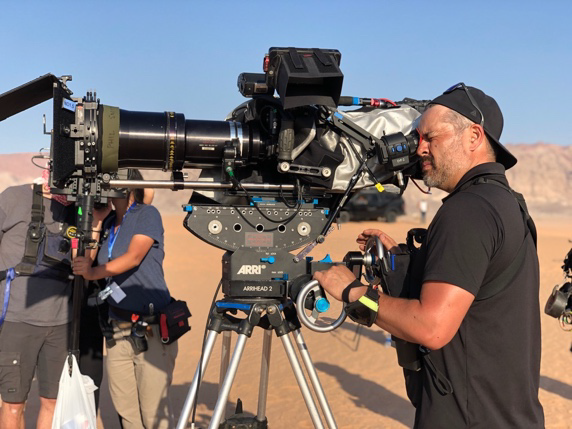
Kia Ora, everyone. My name is Philip Smith, and I’m originally from Porirua in New Zealand.
My family and I have now lived in the UK since moving here in 2014.
What things in life helped you get where you are today?
A lot of hard work and good people have helped me on my journey. I’ve been fortunate enough
to be involved in some great projects with amazing people, which helps show you that being in
the film industry can be creative and enjoyable. Essential when the shoots take over your life!
What inspired you to specialize in cinematography?
How did you get into cinematography? What sparked your passion?
My first introduction to Cinematography was via a DP in NZ called Al Bollinger. I was a
production runner (PA) and had not seen a film camera up close or been on a set before when
I watched him shoot some tests for a show he was involved in. The mystic and ‘magic’ of that
day produced more questions than answers. I couldn’t tell you what he was shooting, but I can
remember looking at this camera and his light meter (which I had no idea what it did at the
time!) and thinking what he was doing looked “pretty cool”. A while later, I had the
opportunity to work as a camera trainee with Director of Photography John Cavill and
Director John Mahaffie. Both were not only incredibly skilled at their craft but also truly
amazing people. It was an experience that left a lasting impression on me.
Over the next year or so, I had the pleasure of working alongside them and observing their
craft up close, surrounded by a crew who have since become lifelong friends.
What were some of the biggest challenges you faced when starting out?
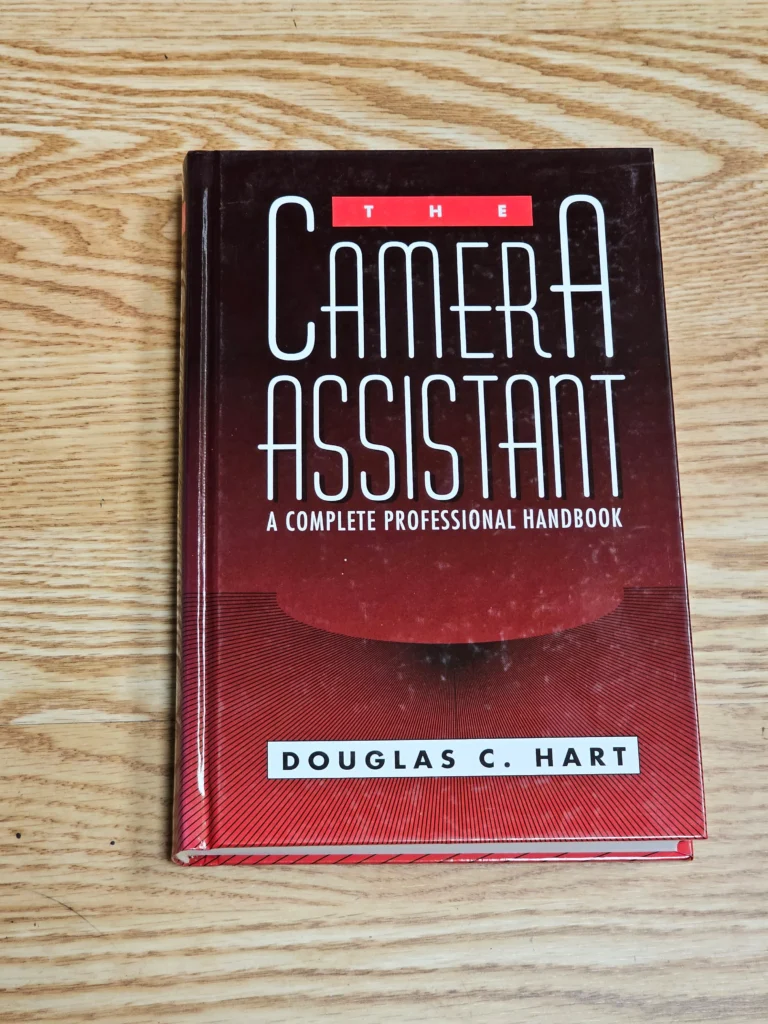
Not having come from a formal film school background, my first real challenge was getting to
grips with the equipment, on-set protocols, and basic film knowledge. I ordered a few books
from the US to kickstart the journey — this was back before the internet became the go-to
source for everything. The Camera Assistant: A Complete Professional Handbook by Douglas
Hart was an absolute gem to have on hand. There was usually an ASC Manual floating around
the crew, and beyond that, you just listened, watched, and learned from the people around
you.
What’s in your go-to camera kit for different types of shoots?
I think most of us become creatures of habit. I have my preferred kit and a specific way I like
to set up a camera — it evolves slightly from job to job, but the end goal is always the same:
build a camera that’s quick to work with, reliable, as compact as possible, and tailored to what
the operator needs. These core goals help shape the kit list from the start.
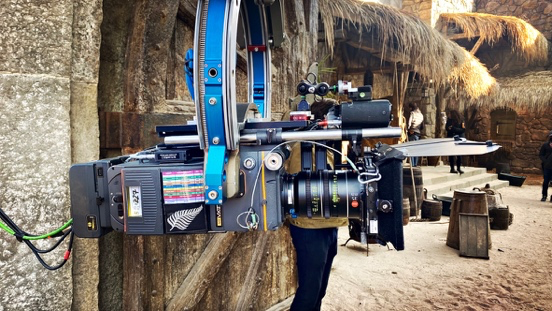
My go-to setup typically starts with Ultralight arms, cine locks, and the ARRI Hi-5 ecosystem
as the foundation for a standard build. From there, we add accessories based on what other
departments — like Video or DIT — require, creating a solid base that works in most shooting
environments. Depending on the demands of the scene, we then adapt the build for Steadicam,
handheld, Ronin, tight spaces, or any other specific mode needed for the shot.
How do you decide which gear to use for a specific project?
There are always discussions with the Director of Photography, the operator, and other key
crew members that help you piece together what’s needed for a specific shoot. A combination
of script breakdowns, location recces, production meetings — and sometimes even a passing
comment in the production office — will gradually steer you toward the right kit for the job.
What’s required for an action film is vastly different from the demands of a TV comedy, and
it’s those early conversations that start to shape the technical approach.
Are there any specific accessories or setups that you swear by?
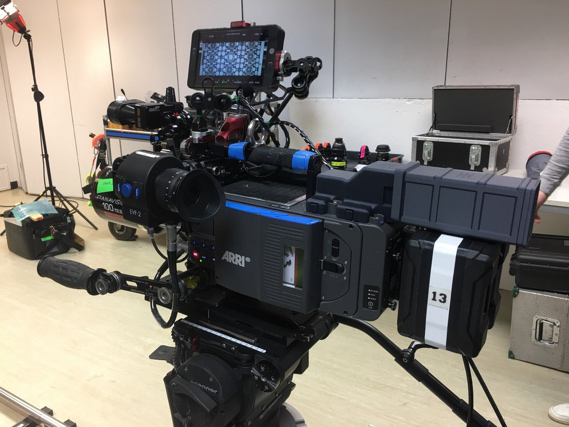
I think the pre-mentioned Arri Hi ecosystem, Ultralight accessories, and SmallHD monitors are
what make up a ‘must-have’ list for me.
How do you balance technical precision with creative storytelling?
It’s a daily challenge! Focus is one thing that is both highly technical as well as always being
used as a creative tool. Where should the focus be and when? What will the audience be
concentrating on at a certain part of a scene, a piece of dialogue, or when an actor walks across a
frame? These are decisions I will make with either input from the director, operator, or
director of photography, or without any input from them at all.
What’s your favorite piece of gear from Ultralight and why?
I use two double ball arms with a standard clamp to link them together and a cinelock ball
adapter to attach to the camera. I use differing lengths of double ball arms to help configure
them into the right position for the camera.
How important is social media in your role as a cinematographer and brand ambassador?
Socials are important as they’re a real resource for the industry to see who is using what and how.
Back in the day, it wasn’t until you were prepping at a rental house and you would bump into
other ACs that you had the chance to chat about new things you were trying or they were.
Now you just need to look at socials or an Instagram session, and it will show you what
crews/ac’s will be using on the other side of the world from the luxury of your phone!
What’s one thing you wish you knew when you were starting out?
What you are trying to do has been done before, and there are people in the industry who
will be able to help. Just ask!
Do you have a dream project or filmmaker you’d love to collaborate with?
A dream project would be a small shoot that travels the world with an amazing cast and crew.
What’s the most unforgettable shoot you’ve ever been on?
I feel it’s very hard to lock down one particular shoot. They all have their particular
memories. Mad Max: Fury Road will be one of the most challenging logistically and technically.
Shooting the Darth Vader sequence for Rogue One would have to be the biggest fanboy
moment. Flea Bag is the show that was the funniest. Batman would be the most rewarding
visually. Avatar would be the most ‘unique’ experience. Perhaps The Lord of the Rings (the
movies) would be the most unforgettable for the sheer impact it had on all my future projects
in terms of expectations of crew and content.
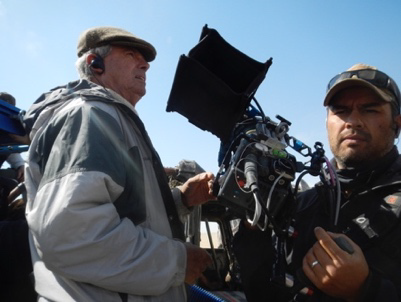
If you could only shoot with one camera and one lens for a year, what would they be?
Alexa 65 and the APO 35mm from Panavision.
What’s a behind-the-scenes moment that made you laugh (or panic)?
Showing up for a certain scene on Fleabag and seeing a wall of prosthetics. It was a true laugh
and panic moment all rolled into one. If you know the show, you’ll have an idea of the scene I
mean.
What do you do when you’re not behind the camera?
Play golf! And if I’m not playing golf, I’m thinking about playing golf.
What does being an Ultralight brand ambassador mean to you?
I like being a portal for ideas, both from Ultralight to the camera department and from the
camera department to ultralight.
How did your partnership with Ultralight come about?
I’ve been a longtime user and reached out to see if there's anything I can contribute.
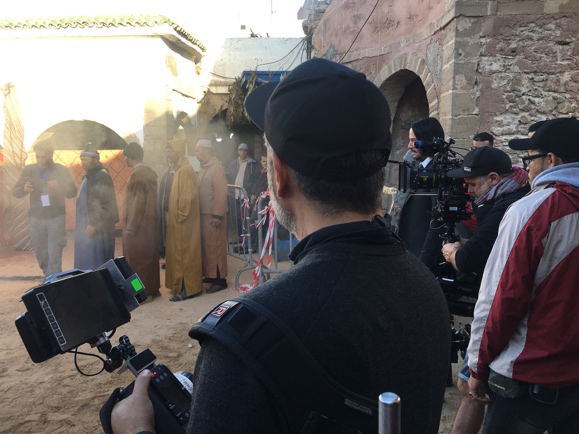
What excites you most about being a brand ambassador for this company?
The potential to help develop products that will make our job easier and faster.
What unique features of Ultralight do you find most valuable?
The robust nature of the items, as well as the modular aspect, allows for an endless
amount of ‘builds’.

Can you share a project where this gear significantly impacted your work?
Mad Max. We had some very specific camera builds that required items on the camera to be in
different positions at a moment's notice. The adaptability to change things and the speed at
which it could change were perfect.
Do you get to test or provide feedback on new gear before it’s released?
As I’m in the UK I have not tested any new equipment.
Thank you, Philip, for taking the time to share more about yourself and your work with us. We definitely picked up a few new things, and I’m sure our customers did too. It’s always great hearing how someone finds their way into a field they love—the wins, the lessons, and everything in between.”
For more information about Philip, check out his IMDb page
At Ultralight, we believe our gear is only as good as the underwater photographer, cinematographer, or camera assistant it supports and no one showcases that better than our Brand Ambassadors. To give you a closer look at their images, stories, and the passion behind their work, we asked each Ambassador a series of thoughtful questions about their backgrounds, favorite rigs, and what inspires their photography and filmmaking. It’s our way of sharing not just how Ultralight gear is used, but also the creativity and spirit of the people who bring it to life.
Could you please share a little about yourself and the journey that brought you to where you are today?
My name is Tiffany Aug, and I grew up in northeast Philadelphia. I went to school at Emerson college in Boston before moving to Los Angeles California.
What things in life helped you get where you are today?
I didn’t have a great time growing up in Philadelphia, so I had a strong desire to leave, which motivated me to work really hard to earn scholarships for school since I couldn’t afford it on my own. When the time came, I had narrowed it down to 3 schools that accepted enough of my grants and scholarships to go and I picked the one farthest away from home. Unfortunately for me, that landed me in Boston with little to no money for day-to-day life, including an inability to purchase appropriate winter weather clothing. So, when the opportunity to move to Los Angeles (a place with no winter) arose, I took it.
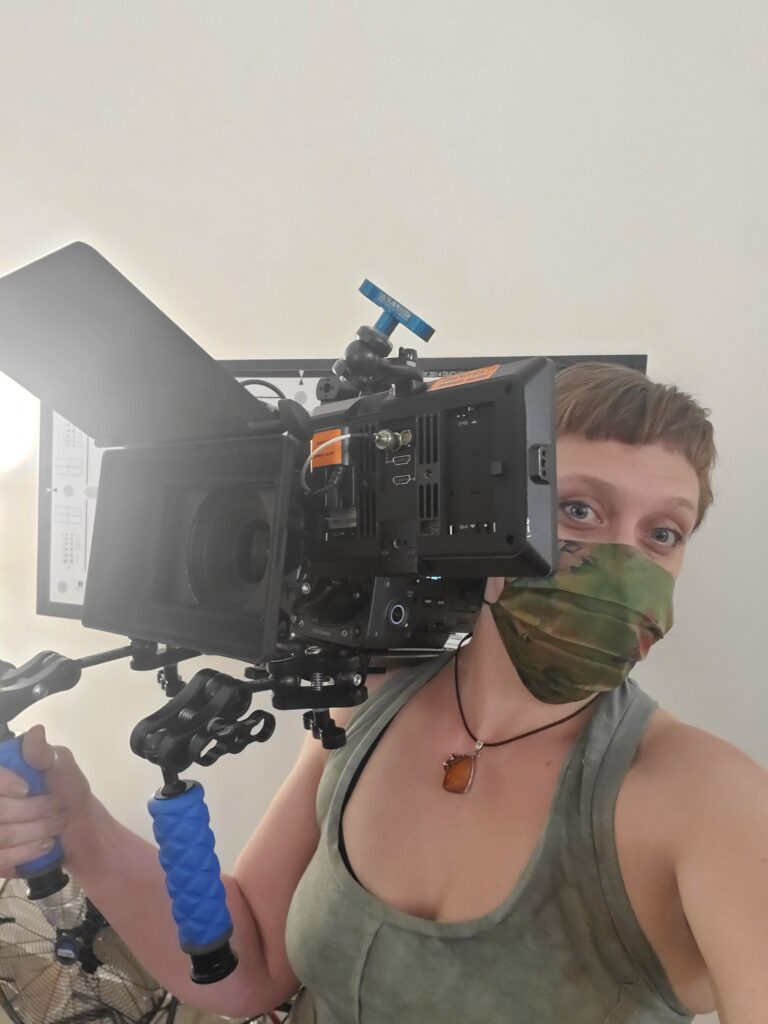
I knew if I wanted to succeed in a town as big as L.A. I had to be good at my job. So, I worked really hard to just get experience. I worked every weekend and holiday in school on student projects (from any school with a film program, not just mine) as well as working during holiday breaks and taking some days off classes to do freelance jobs in the New England film industry on commercials and whatever features or sports came through. I’ve always liked cameras, so I just kind of floated around and tried to learn as many of them as I could get in a room with.
So, I think stubborn refusal to exist somewhere I hated was probably the major motivator for me getting to where I am today, but professionally, a curiosity and interest in cameras carried me to the path I took to get here.
How did you get into filmmaking and being a camera assistant? What sparked your passion?
I knew then I really liked cameras. When I was about 16, my dad showed me how to disassemble, clean, and rebuild a single-lens reflex camera, and seeing all its parts really just opened the door to me in understanding how a camera makes its images. It was so interesting to me, I thought I should probably figure out a way to continue working with cameras and make a living. When the time came, I went to a film school that gave me a lot of opportunities to be hands-on learning how motion picture film cameras worked. I was lucky my school kind of let students decide how much time they wanted to spend on set vs in the classroom. I was also lucky, I ended up in a city with lots of colleges with film programs, so I had access to a larger pool of projects I could work on and a wider variety of crews and cameras to expose myself to.
When the digital era in filmmaking began, I was nervous because I had just graduated, moved to LA, and had no experience with digital cameras. I got an Internship at a small digital camera rental house that again afforded me a lot of hands-on experience with the cameras, as they were small, so everyone had to kind of wear a lot of hats. I still approached digital cameras the way I was taught to approach film, where the 1st ac was responsible for making sure the camera was working the way it needed to for the project/shot. At the time the dit position didn’t really exist, neither did log/raw recording for that matter so sometimes you had a video controller who’d come do color and settings for you but sometimes it kind of just had to get done by whomever had the most experience with the camera/workflow which as a young camera assistant, turned out often to be me. I think because there was this gap in crewing and because I am naturally very interested in how the camera makes its image, it came very naturally to me to learn and kind of fill in that gap of maybe being something of a camera tech/focus puller.
Either way, it all comes down to the spark of my passion, being a general curiosity about what’s actually happening inside the camera to make it work.
What type of filmmaking do you prefer and why?
I’m not sure anyone has one type of filmmaking they prefer over others, as they all bring their own set of interesting challenges. I do like a practical in-camera effect, so a lot of music videos and experimental/art films are my jam for that. But genre-wise and content, if I have to sit for 14 hours a day to make something, I’d go comedy. They’re usually pretty straightforward camera-wise, which can be boring right up until they need to design a shot to sell a joke or put a camera somewhere completely strange for a joke. I think for camera people, traditional filmmaking using a camera to tell the story with its movement, lenses, and focus comes naturally and is more easily appreciated by us.
What were some of the biggest challenges you faced when starting out?
I think one of the biggest challenges I personally faced was finding the right crew to work with. I came up at a time when there weren’t a lot of women doing what I do, and the ones that did were more in a “she gets us coffee, and we let her say she’s in the camera department” kind of position. It was frustrating, and it took a while to find people who just wanted someone to do the actual job, to build and focus the camera, not to look cute and get them things from crafty. I’m again super fortunate that a lot of the friends I made in film school were able to help me by building a department where that wasn’t the case.
What type of camera setup do you currently use as a camera assistant?
I have a small rolling pelican that has pretty much everything you need to build out a couple of cameras in it. The contents are actually covered in a blog post over at focuspulleratwork.com. https://www.focuspulleratwork.com/post/tool-box-tour
I never really got into the gear-buying part of it because I like to change my “focus setup” with the job and its needs. I also came up at a time where we only had remote focus for remote shots like crane or steadi so I never really solidified a preference for any one device that way. Similarly, I was doing a lot of shows that were all location work, so having a setup that primarily functioned on stage wasn’t a part of my life for a really long time.
What role does a camera assistant play?
Like most positions on set, the role of camera assistant can vary from job to job. Mostly, you’re going to work with the cinematographer, operator, and director to figure out what they need from the camera to get the shot. Then you’re going to figure out how to make the camera fit those needs with the resources you have at hand. There’s obviously a lot more to it than that, both creatively and technically, but at its core, that’s the job.
Do you have a favorite piece of Ultralight gear and why?
I think my favorite piece of gear from ULCS is probably the cutout clamps or the quick release ball adapters. The cut-out clamps really helped get on camera accessories all the places they want to go with a really small light footprint.
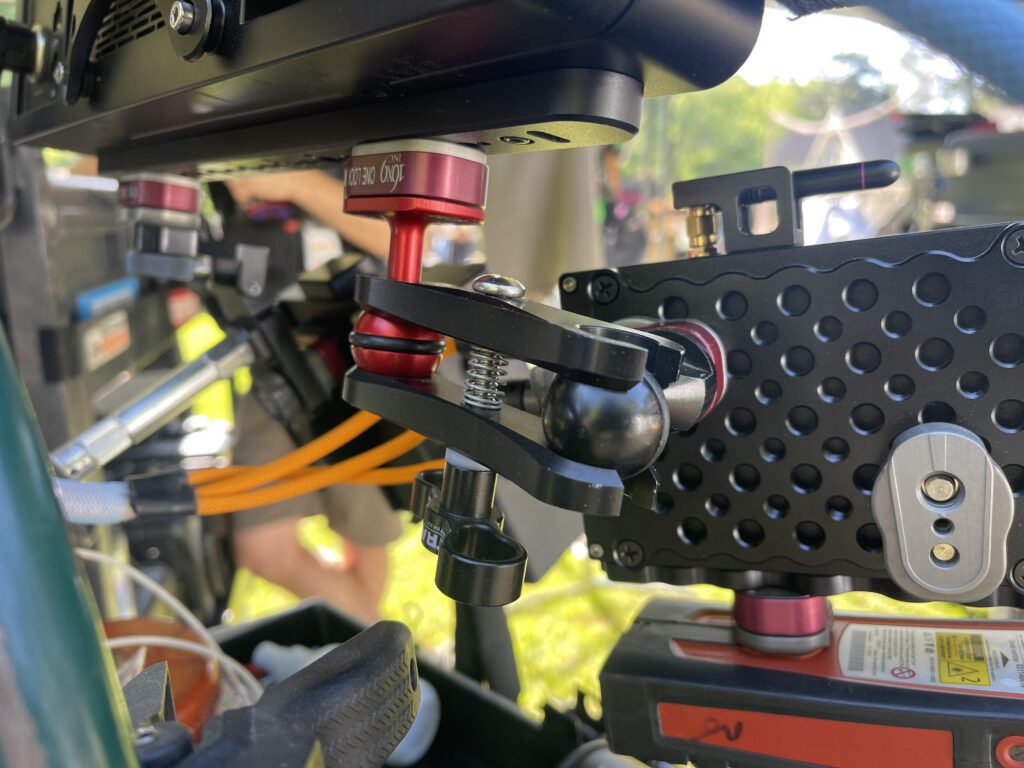
I love ultralight arms for all my accessory mounting both on camera and on my focus station. The quick-release ball adapters for cine locks really helped make my builds light, versatile, and fast. The ability to add accessories with minimal weight is key. Also, the way my operator can just push or pull their monitor to where they want with one hand and how quickly you can lower a wireless transmitter for another camera with one hand is great. I also really like the double-ball rod arms because my dolly grip can just grab them with a head for quick mounting off camera, if/when needed.
Similarly, I use the ULCS on my focus station because I can use pressure to change the angle of my hand unit in shot or tighten it down fully if I’m in a vehicle or somewhere I need the full sturdiness of the build. The option for Arri locking pins in some pieces is also great for long-term mounting.
How do you approach your creative process and storytelling?
My creative process is twofold. I have a lot of technical creativity with camera builds and signal workflow that’s useful in a storytelling framework because getting signals where they need to go efficiently is going to enable all the people contributing to the storytelling to do their part better.
More traditionally, there’s a lot of creativity in the focus of a frame. It’s easy, especially in a format like TV, to kind of lose the forest for the trees. You can forget the purpose of your shot because sometimes you’ve just done so many of them that you forget that each one has its own purpose in the greater story. So, knowing where to direct the viewers focus and when is definitely a huge creative endeavor. For me, understanding the scene and where my shot would fit in helps, so I often seek the advice of my operator, DP, or director if I’m unsure of the right decision.
What is the workflow for a camera assistant, and what are your responsibilities?
But as an assistant my workflow on a typical shoot is to talk to the DP/op/a 1st beforehand to find out how we’re shooting. (Handheld, studio, remotes, stabilizers etc.) As well what conditions we’re using (stage vs location vs travel). All of that can affect how you build and pack a show/camera. Obviously reading scripts to be aware of any scripted effects or shots you need to think about is on the check list as well.
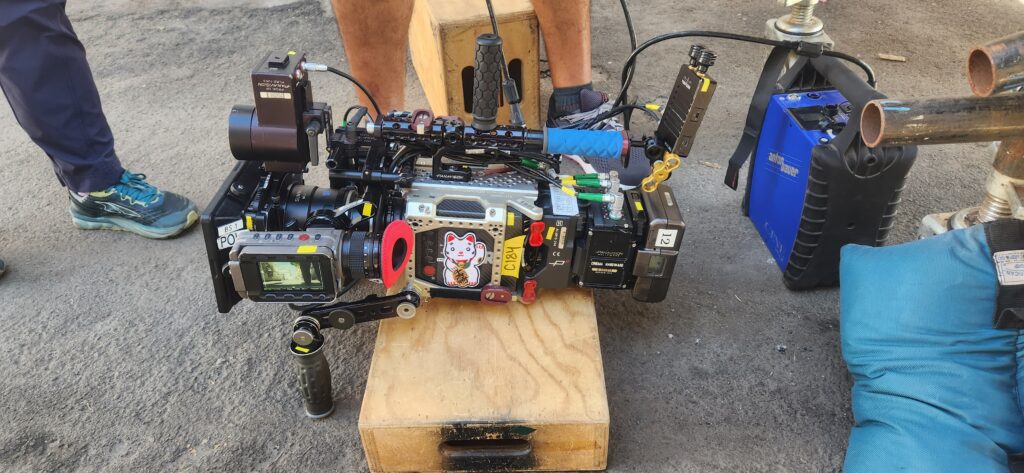
You may also be in charge of building the rest of the department, and that’s a huge responsibility because you need to craft a team that’s going to work well together towards the common goal of completing the project and supporting the director and DP.
Another responsibility of the 1st ac (especially a 1st ac) is to work with production on meeting budget goals while still maintaining a package that meets the creative needs of the project as well.
What’s the best piece of advice you’d give to someone just starting out?
When I was starting out, I wish I learned sooner that not all crews are the same. You’ll find your tribe eventually. If you start out and don’t mesh with the first crew you’re on set with, don’t get discouraged, just keep meeting people and putting yourself out there, and you’ll find your people.
Day to day, you want to familiarize yourself with the work for the day and upcoming days to know what gear you need today or need to order for later. And listen to rehearsals and discussions about the look and feel of the shots So you know what the ultimate goal of the day is visually.
I think a great tool for everyone on set is to always be listening. There are lots of times when you’re asked to withdraw for private rehearsals or during or between takes, when directors and actors are having private discussions to tweak performance. That doesn’t always mean you should just check out until called back in. It is a great time to run to crafty or the restroom, but ultimately, it’s also a good time to listen to what conversations are happening to prepare for what’s going to happen when set opens back up and work resumes. Basically, it’s efficiency, try to use your time as efficiently as possible because on set, time is money.
What are some of the challenges you have on set, and how can they avoid them?
Avoiding all challenges on set is impossible, but trying to avoid as many as possible is always the goal. A lot of challenges on set arise from the sheer volume of different personalities you’re going to run into on a day-to-day basis. You’ll often have 70-100 people on a set, all working toward a common goal. That’s no small feat to pull off, so every now and again, there are going to be differences of opinion as well as friction between individuals. Learning to keep a cool demeanor, as well as how to level off your own personality traits that others may not react well to, are great 1st steps to avoiding conflicts and challenges on set.
Physical challenges are also in abundance on most sets. Space specifically. Every department has an amount of stuff they need with them to be quick and efficient at their job. Especially when working on location the physical staging space around the on-camera set is often less than desired. So as a group we’re all constantly having to prioritize who gets what space in relation to the set to best meet the individual goals of the departments as well as the common goal of the production. It’s not easy and the best advice I can give is to try to send someone to look at the space as soon as you can, while someone gets with the DP about how much stuff you think you need “on hand” to limit your own footprint to gain better positioning. Using your skills with navigating challenging personalities is going to be key to navigating a physical challenge like this.
Remembering everyone is in the same boat and having empathy for other departments and their needs is also a great tool for this.
How has cinematography changed since you started your career as a camera assistant?
Cinematography has had a lot of evolutions since I started working on sets. It’s always Interesting to see the current trends. I touched earlier on being there for the industry migration from film to video. In addition to that, I’ve also gotten to witness a change in how live events are being shot. They used to be more about the shots, actual frames with lighting being more like a stage production of almost being part of the set design than a brush in the painter’s tool box. In recent years, I’ve seen a migration to live events wanting more of a cinematic look, lighting focused on the subject, not just a follow spot, shots that use depth of field and focus in addition to just having the action in the frame.
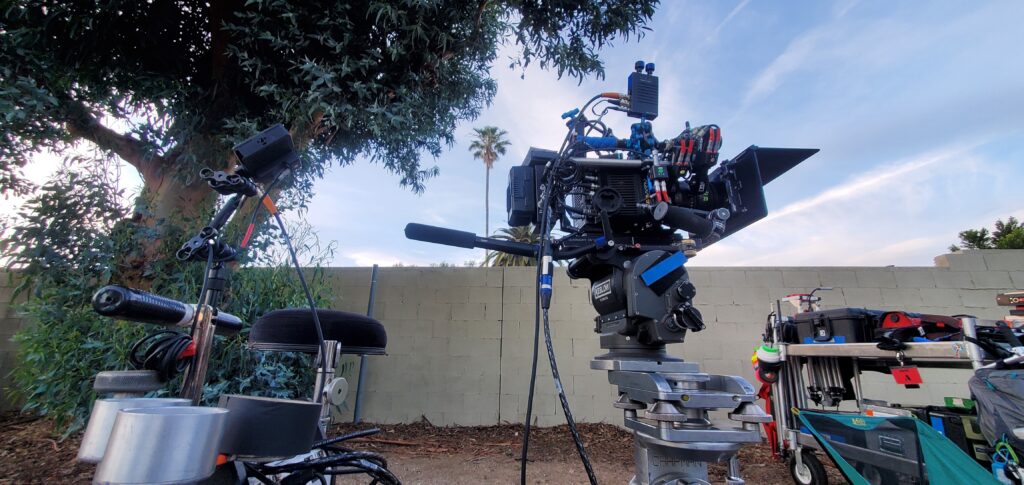
I’ve also gotten to witness the amazing change in lighting options for cinematographers. With the new world of LEDs and wireless control of lights, cinematographers can get light so many more places than they used to. They also have so much more flexibility with how those lights perform within a setup. It’s been so cool to see people really push the limits of what they can do with that.
What are your thoughts on the changes with film versus digital cinematography?
When I 1st went to school for film that was the gold standard. Everything that wasn’t broadcast was film. Video was just kind of a budget tv thing for news mostly. Watching the film community be introduced to video and achieve 24p and embrace digital, to see the doors digital opened to people in terms of affordability as well as pushing visual and optical limits was so cool. It’s a trip that I feel like I’m on the other end of it now, where I’m watching new generations raised on digital, where it was the gold standard option for them for so long, discover and push the limits of film again is wild. I think there’s room creatively for both, and whatever the next evolution is as well. Art has many mediums so to speak.
What advice do you have for photography who want to work with brands?
Working with brands was never on my list of goals. I somewhat fell into it accidentally here. I’ve always recommended products I actually liked and believed were useful and worthwhile so I guess it was bound to happen. Advice-wise, I’d say find a product you actually like and use and believe in, ideally are on a soapbox about anyway, and then offer to help that brand become standard, help your peer realize there’s a reason that brand is preferred to imitations or others.
Do you have any exciting projects or goals?
My goals are to continue to be invited to projects that interest and challenge me in the future. My current favorite client and most exciting project for the past few years has been the SuperBowl halftime show. I was lucky enough to be invited to be a part of it again this year. That project, since it went cinematic multi-cam in 2020, has been pushing boundaries and achieving technical innovation with each year. It’s so cool to work with people with such a wild, creative drive and to be a part of the technical team to make those visions come to life, live to air.
Do you prefer a specific lens or camera setup in your work and why?
I don’t have a specific lens or setup because I work on such a diverse field of projects. That being said, a good portion of the TV I do is all handheld and all location, so there is a huge priority for small lightweight cameras that can fit places and be somewhat comfortable to hold for 15 min at a time. I like using as little metal as possible on my cameras for that reason. Not to go on an Ultralight rant here, but the system is really good for that. There are lots of options that are actually ultra-light for arms for holding accessories, as well as quick-release compatibility for when things have to go to fit in somewhere. The cut-out clamps give you maximum articulation, and the variety of locking pins, pinless, vertical, and horizontal ball mounts help me get things where they need to be with minimum weight added.
What are common mistakes that happen on set, and how can they avoid them?
Probably the most common mistake on set is miscommunication. Sometimes people just aren’t on the same page and sometimes people go into auto pilot when they really shouldn’t. It happens to the best of us, so making sure you’re in sync is key, keeping each other honest on when we might be veering off course is also helpful.
What does being an Ultralight brand ambassador mean to you?
Being an Ultralight Ambassador is a lot about peer pressuring people into joining the cult of Ultralight. Just kidding- it is about using quality, reliable products on builds to showcase their usefulness and durability. Also letting people see the difference between other similar products and the real deal. As well as getting new products out there to be field tested with real feedback from onset use.
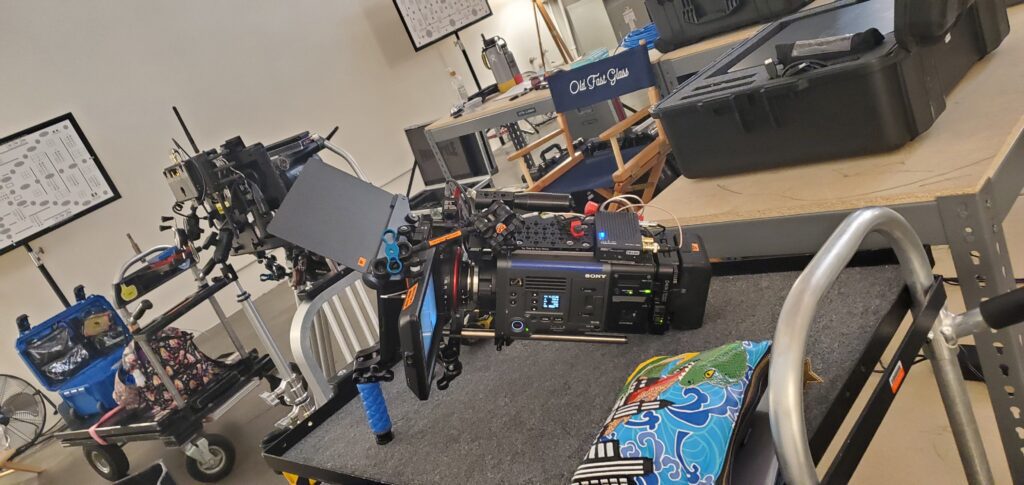
How did your partnership with Ultralight come about?
I met Ken at Ultralight late in 2019 I think. He was a friend of a cinematographer I work for. At the time, we were doing stand-up comedy specials and other multi-cam events. I think the cinematographer had had to sit through one too many tirades about how I couldn’t abide knock-off Ultralight stuff because it just didn’t work. Ken came out to a camera prep to meet this madwoman and showed me some parts he had. He asked me for feedback on what might catch the eye of the non-underwater cinematography crowd. We introduced some operators to a monitor that they could quickly change the angle of with one hand, and discussed color-coated parts and clamps that could be used in more places. The rest is history.
What excites you most about being a brand ambassador for this company?
The most exciting thing about working with ULCS is probably the direct contact with what’s new and exciting at ULCS. Also, being able to talk directly with Ken when I have questions or feedback, or need a recommendation for what parts might help me achieve a goal.
Has working with Ultralight influenced your workflow and creative process?
Working with Ultralight has definitely cemented what was a preference for gear to an unwillingness to accept less. It’s also really highlighted for me just how bad some of the off-brand attempts are. It’s really a shame to see other companies knock off the base of his design but not follow through with the years of R & D he did to make his product actually work when theirs fails. They ruin people’s perception of the actual product that works.
What unique features of Ultralight do you find most valuable?
Probably the best unique feature of ultralight that I enjoy is that when I clamp something fully it says put. I also really like the long clamps and flexibility of the systems and ability to buy individual parts or a bundle.
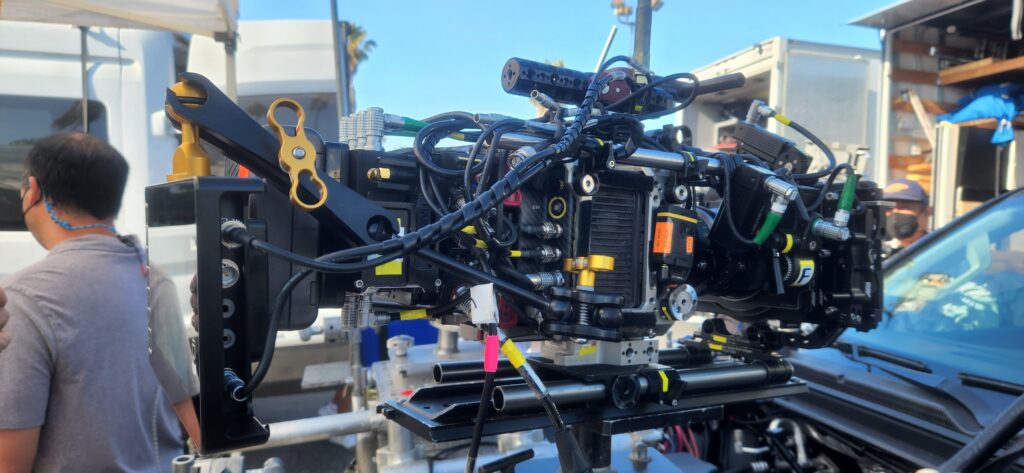
Do you get to test or provide feedback on new gear before it’s released?
I have been fortunate enough to test gear before it comes out. I’ve also been able to home modify (think Dremel-ing out chunks of aluminum at my kitchen table) prototypes to send back to ken for him to work out what would be a final product. Working with Ken and discussing feedback has been a really fun experience. I feel super supported and his customer service is great..
What advice do you have for photography who want to work with brands?
If anyone is looking to work as a brand ambassador I think a good place to start is buying products you love that you use frequently and show them to your colleagues and social media.
Thank you, Tiffany, for taking the time to share more about yourself and your work with us. We definitely picked up a few new things, and I’m sure our customers did too. It’s always great hearing how someone finds their way into a field they love—the wins, the lessons, and everything in between.”
For more information, you can find Tiffany on Instagram and her IMDb page
At Ultralight, we believe our gear is only as good as the underwater photographer, cinematographer, or camera assistant it supports and no one showcases that better than our Brand Ambassadors. To give you a closer look at their images, stories, and the passion behind their work, we asked each Ambassador a series of thoughtful questions about their backgrounds, favorite rigs, and what inspires their photography and filmmaking. It’s our way of sharing not just how Ultralight gear is used, but also the creativity and spirit of the people who bring it to life.
Could you please share a little about yourself and the journey that brought you to where you are today?
Yes, my name is Fabio Giolitti, I’m 42 years old, and I’ve been a camera assistant for the last 15 years, working in literally any type of production you can think of, from super independent feature films, to 4 million-per-episode TV shows, passing through commercials, videoclip, short movies and documentaries.
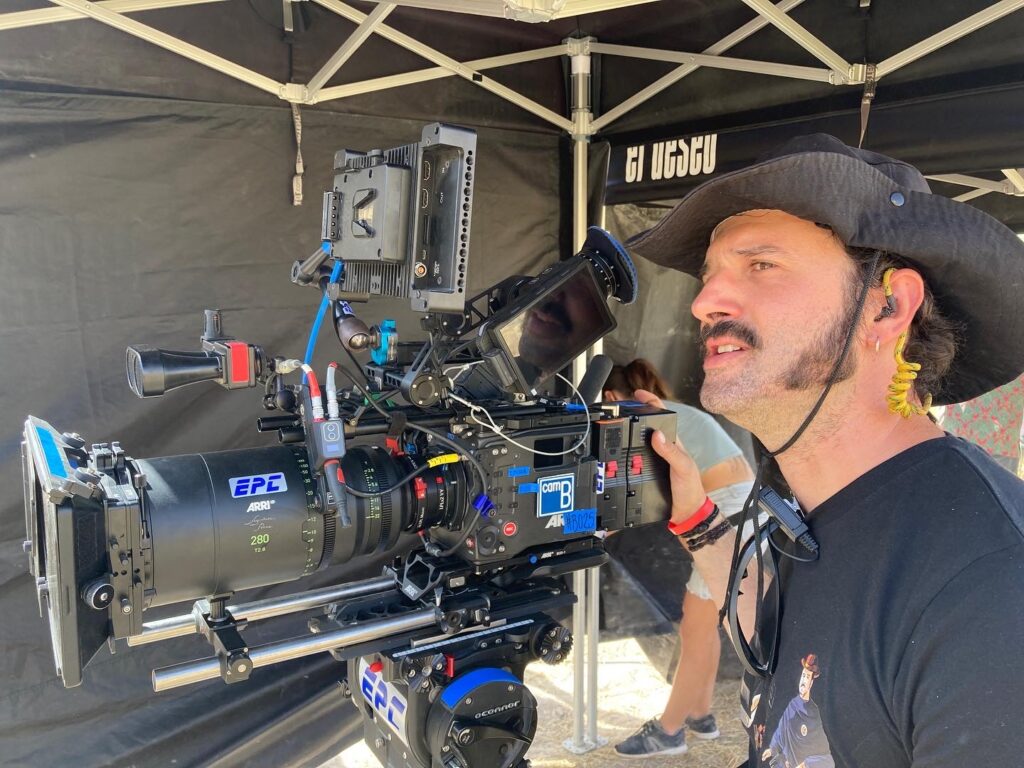
And this is one of the things I like the most about my career, you never get bored, and any kind of production faces its own challenges, and the more different projects you have been in, the easier it will be to overcome those challenges. I was born and raised in Italy, but I’ve been living in Spain for the last 20 years and worked in Italy, Morocco, France, Germany, the UK, Norway, Bulgaria, Israel, Palestine, Turkey, the USA.
What inspired you to specialize in camera assisting?
When I first started my studies in a film school in Barcelona, back in 2006, I wasn’t really sure about what I wanted to be in the film industry, also because I soon realized that I didn’t even know a lot of the jobs that people do on set, actually, I barely knew what a director of photography was. So I was a bit lost, but I was lucky enough to meet in one of my first classes one of the best camera assistants in Spain, who happened to be giving classes in the school I was attending. His name was Guillem Huertas and he has done a crazy bunch of big productions both in Spain and all over the world (among them Jurassic World and The Rings of Power). He was an incredible inspiration to me and showed me the first bits of the craft. It's funny because, since he was always shooting, we didn’t have many classes with him, but the few we did have were so good that they made me decide I wanted to be a camera assistant for the rest of my professional life.
Can you share a memorable moment or experience being a camera assistant?
If I may, I would like to share two of them, because I think that they are both memorable, and I can’t choose which one would be the best.
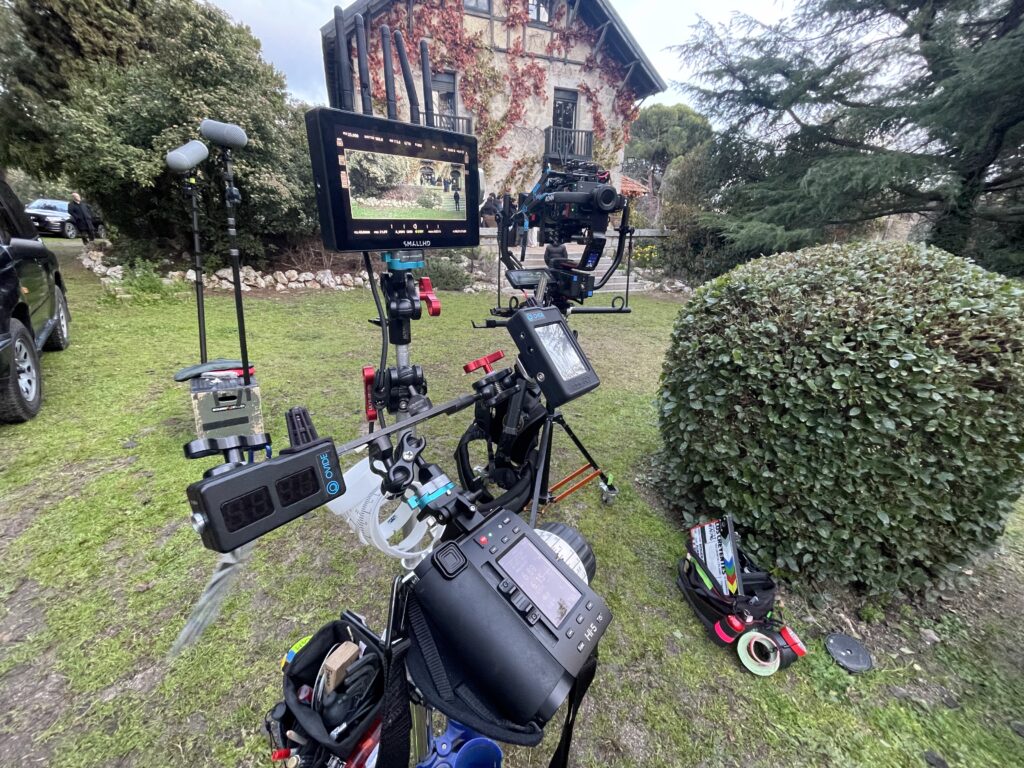
The first one happened to me when I was a professional young camera assistant, and for a series of circumstances I don’t wanna bore the reader with, I got to shoot a feature in Turkey starring Michael Madsen. To me Mr. Madsen was a legend, since when in college I dreamed of shooting movies while watching Reservoir Dogs and Kill Bill, so the fact that I was going to shoot with him was already mind-blowing. It was a horror movie, so we had a lot of night shooting, and one night we had this complicated Steadicam shot where the character played by Mr. Madsen found the body of a woman in the basement of a haunted house. Back in the days, there weren’t RF, or at least they weren’t light enough to be carried on the back of the monitor of the focus puller, so I had to stay on one side of the camera and rely on my marks and my ability to judge distance by eye. The shot showed almost 360 degrees of the basement, so I had to pull focus while moving and be careful not to cast shadows or appear in the shot itself. All the rest of the crew had to get out, and it was just the Steadicam operator, Mr. Madsen, and me. You can imagine how nervous I was but at one point, Mr. Madsen looked at us and said, “Ok, boys, let's make this happen”. So we did it, and the first take was amazing.
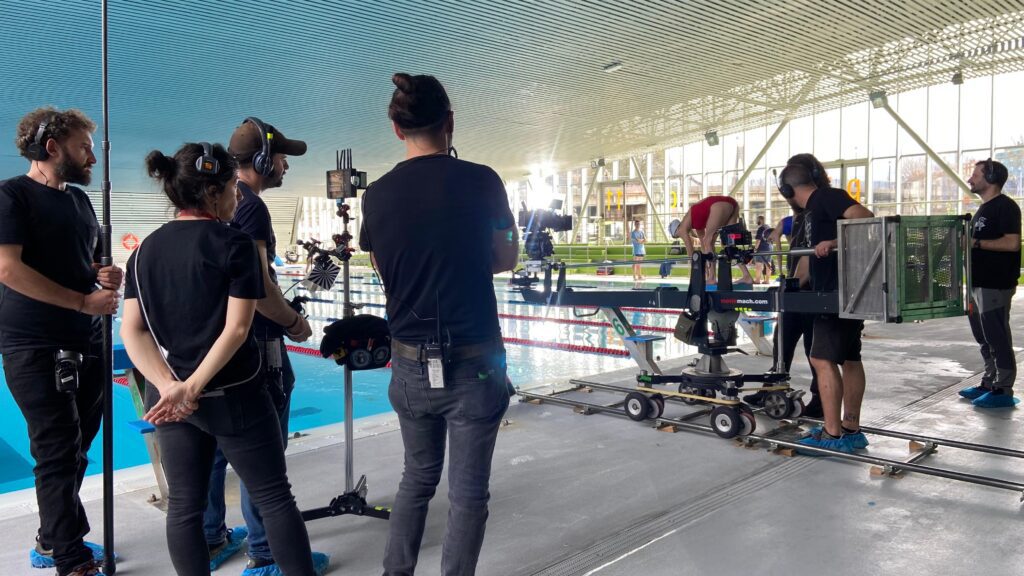
The second episode was right after the pandemic. One day I was in Italy visiting my parents and my mobile ringed, while on the display appeared the name of Jose Luis Alcaine, legendary Spanish DoP who has done more than 160 feature films and worked with directors like Brian de Palma, among many others. He had my number because I covered a colleague on a shooting with him for 4 weeks, some months before. His voice on the phone had the typical offer you can’t refuse:”We were going to shoot a mid-length feature directed by Pedro Almodovar and starring Tilda Swinton, but the 1st AC got Covid, would you like to take his place?”. For those who don’t know Pedro Almodovar, he is an Academy Award-winning director, and everybody working in the film industry in Spain dreams about shooting with him, so you can imagine my happiness. The shooting of “The Human Voice” has been one of the most amazing experiences of my career.
What challenges do you face as camera assistant, and how do you overcome them?
As a camera assistant, I face many challenges on a daily bases. I need to take care of the equipment, take care of my crew, make sure the director and the director of photography are happy, keep the camera department going smoothly, and avoid that anybody ever waits for the camera to be ready to shoot. And even though the technique is making our life on set easier sometimes, it is also true that we depend on a lot of variables that, in many cases, we can’t control.
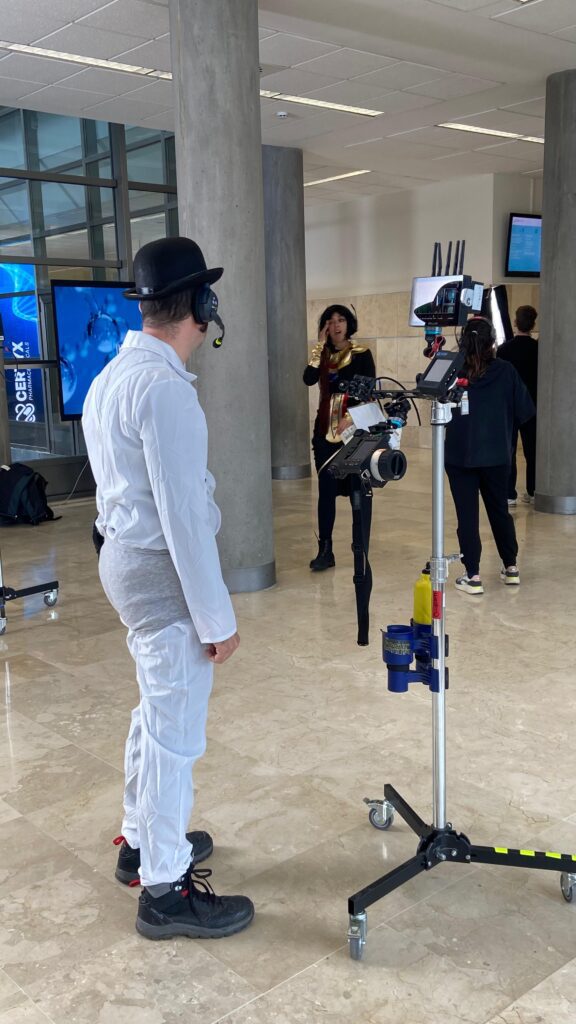
I always remember what an old school 1st AC told me once: "digital cinematography looks easier, but at the same time it is true that back in the days when shooting on film, if the camera had a problem, most of the time you could fix it with a screwdriver or even a hammer. Nowadays, with all that electronics, the only thing you can do if the camera has a serious problem is to call the rental house, ask for a new camera body, and pray that they have one available”. So it is very important to always have a solution for everything, a plan B in case everything goes wrong. And pull focus and keep the shot sharp, of course.
How do you stay updated on the latest techniques and technologies in cinematography and the film industry?
With a constantly changing professional environment, I think it is crucial to always be as up to date as possible. Also because to know the different options you have in any given context, allows you to choose the best one for the job, and that is also super important because while before people needed to do a long career to get to be head of department, nowadays it is not unusual that the head of department (e.g. the DoP) is less experienced than the 1st Ac and relies on him for many technical and equipment decisions.
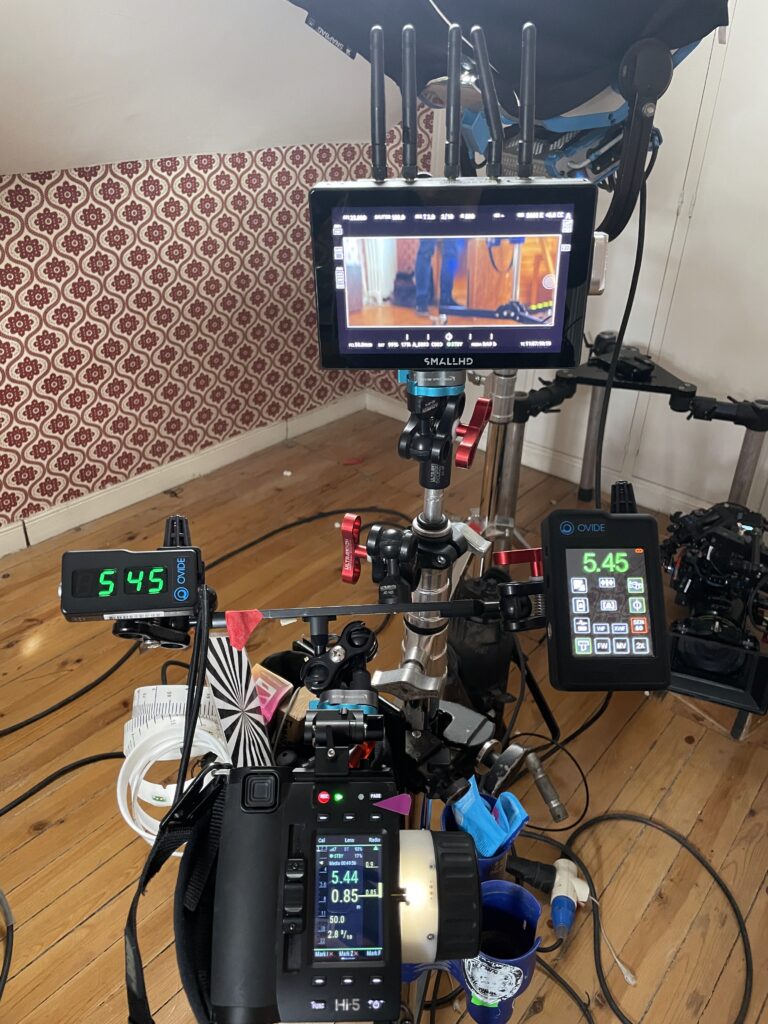
I try to read online as much as I can from specialized websites, forums such as focuspulleratwork.com or cinematography magazine’s websites. I also go to trade shows that are not too far from me (even though I would love to go at least once to the NAB and the Cinegear) and watch video reviews about new or upcoming products of the industry.
Can you share any tips or advice for aspiring camera assistants?
As I already told you before, having a plan B is super important, so this would be my main advice, because at some point, things don’t always go the way you expected. So be prepared. Another important tip, and it applies both to the equipment and the crew, surround yourself with people and gear you are 100% sure you can count on, the film industry is already complicated enough to have sloppy equipment or unreliable people around you. And last but not least, try to enjoy the ride, it is true that the money is good and you get to know people that you normally wouldn’t meet, but first of all, you have to like it, because if you don’t, it’s not worthy!
Thank you, Fabio, for taking the time to share more about yourself and your work with us. We definitely picked up a few new things, and I’m sure our customers did too. It’s always great hearing how someone finds their way into a field they love—the wins, the lessons, and everything in between.”
For more information, you can find Fabio on Instagram and his IMDb page
At Ultralight, we believe our gear is only as good as the underwater photographer, cinematographer, or camera assistant it supports and no one showcases that better than our Brand Ambassadors. To give you a closer look at their images, stories, and the passion behind their work, we asked each Ambassador a series of thoughtful questions about their backgrounds, favorite rigs, and what inspires their photography and filmmaking. It’s our way of sharing not just how Ultralight gear is used, but also the creativity and spirit of the people who bring it to life.
Please share a little about yourself and the journey that brought you to where you are today.
Hi, my name is Bryan Blauvelt, and I live outside of Houston, TX. I’ve been diving since I was 12 years old (so, for almost 35 years now), and I teach SCUBA seasonally for Texan Scuba.
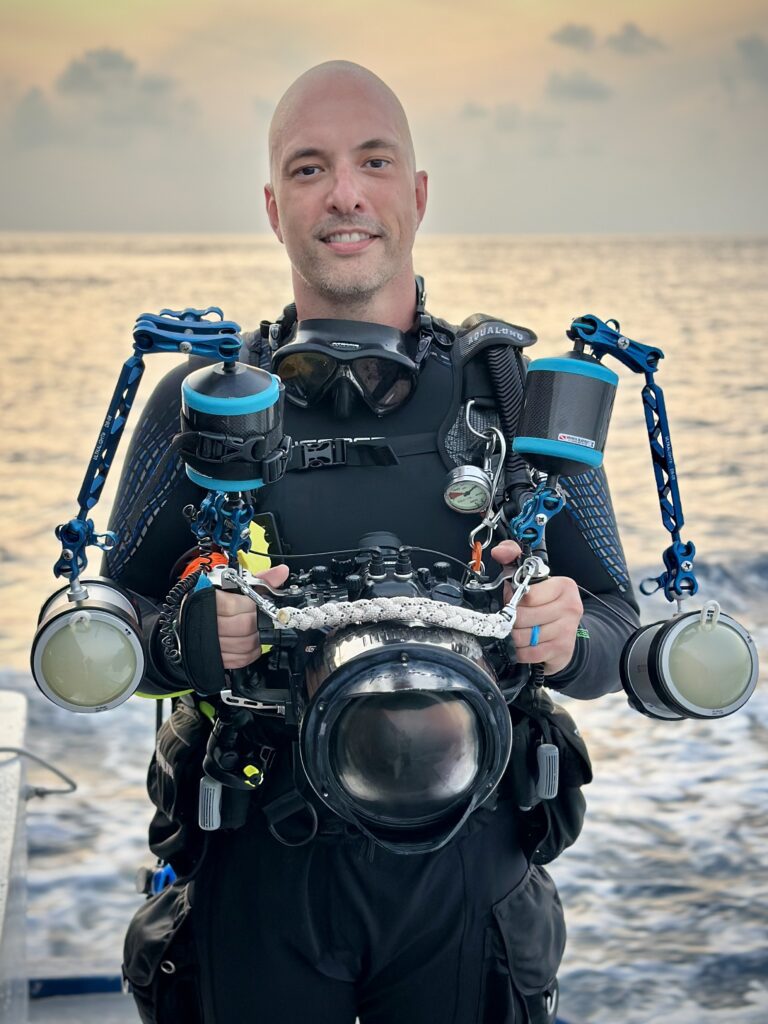
I’ve been fascinated by the ocean for as long as I can remember, and when I was a kid, my older half-brother, Harry, was a diver. He took me snorkeling for the first time in Hawaii and encouraged our dad to let me try scuba diving when I finally met the age requirement. Our dad was an avid golfer, so without my half-brother as a diving role model, my life would probably have turned out very differently!
What inspired you to specialize in underwater photography?
As a newly-certified junior open water diver, I immersed myself in the underwater photography featured in magazines like Skin Diver. My imagination soared, envisioning soft corals, oceanic manta rays, and schooling sharks beyond my limited diving experiences in Hawaii and the Caribbean.

My first underwater camera was a Sea&Sea MotorMarine II point-and-shoot 35mm film camera, which I had seen advertised in Skin Diver. That little yellow plastic camera didn’t last more than a couple of years before I flooded it, but that’s where I got my start capturing what I see underwater.
Things got more interesting when I first picked up an SLR camera in a high school photography course. We focused on the basics like using shutter speed and aperture to create a proper exposure, composition, light as a subject, and even developing our own film and printing our own images in the darkroom. I bought an Ikelite housing and a couple of strobes for the used Nikon N8008 camera that my half brother Harry had given me. I dove with this setup for a couple of years before I became preoccupied with finishing college, starting out a new career as a web developer, getting married and starting a family. That led to a 15 year gap before I seriously picked up a camera again, but I found my way back to it. Better late than never, right?
Can you share a memorable moment or experience from your underwater adventures?
One of my absolute favorite experiences over the years was swimming with an incredibly playful humpback whale calf, named Nudge, while visiting the island nation of Niue in 2023.

If you’ve ever gazed into the eye of a humpback whale, you know what a special experience swimming with them can be. This particular calf didn’t just give us one mind-melting encounter. We ended up playing with this baby whale for the better part of two weeks, with great interactions happening day after day until our faces hurt from laughing and smiling so much.
Another experience that really stands out to me was a dive at Darwin Island in the Galapagos. We had a full hour of schooling hammerhead sharks, thick walls of game fish swimming everywhere, and multiple whale sharks passing by — all on the same dive! When our group surfaced at the end of our bottom time, needless to say we were all ecstatic.
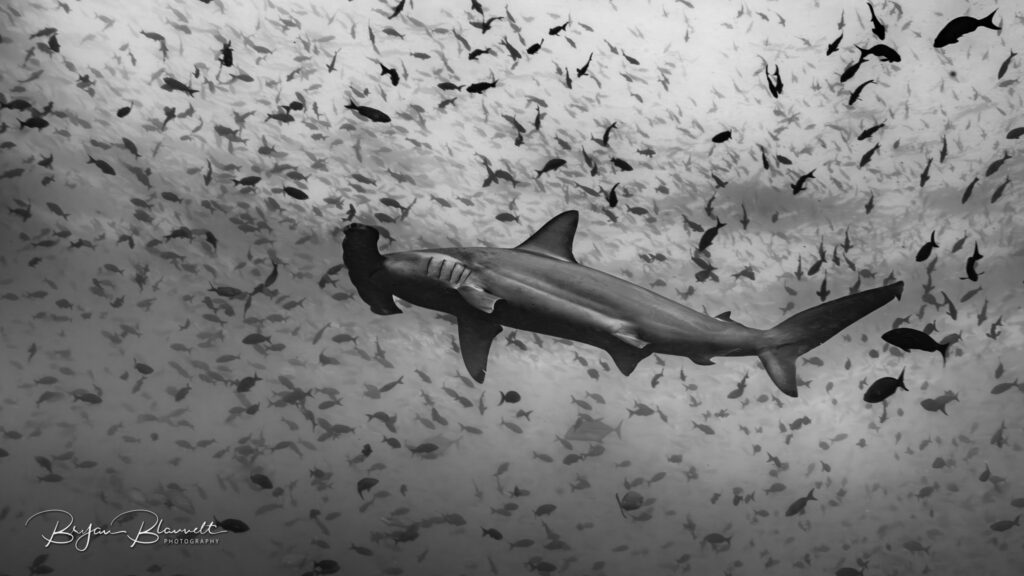
What camera setup do you currently use for underwater photography?
I shoot a Sony A1 camera inside a Nauticam NA-A1 housing. I primarily shoot with two Retra Pro Max strobes, and I also use a pair of Backscatter Mini Flash 2 strobes for some macro applications. My lens of choice for wide angle work is typically my Sony 28-70mm behind a Nauticam Fisheye Conversion Port (FCP) or Wide Angle Conversion Port (WACP1). I also shoot a Canon 8-15mm fisheye lens behind a Zen glass mini dome or a Nauticam 8.5” acrylic dome. For macro, I shoot the Sony 90mm macro lens with the Nauticam SMC-3 and MFO-1 diopters.
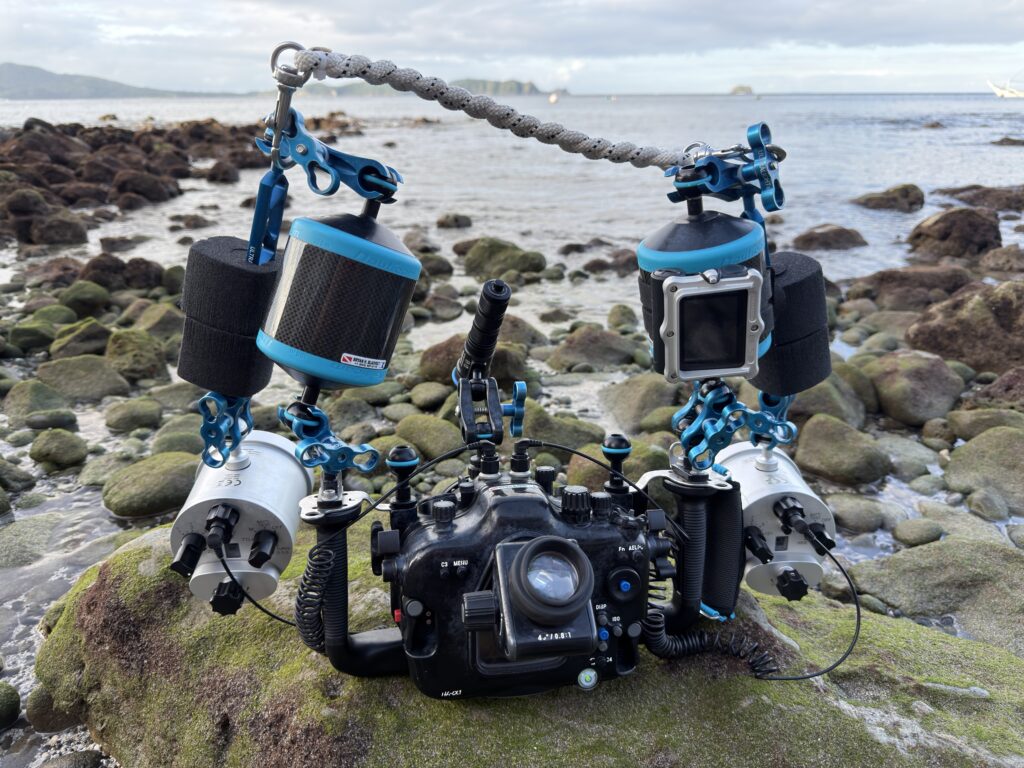
Since I shoot multiple configurations with my rig, I use various combinations of Ultralight aluminum arm segments combined with Nauticam carbon fiber float arms to get my light placement and overall trim and buoyancy dialed in. I use Ultralight double cutout clamps (2 x AC-CSLSK2 and 4x AC-CSSK2) to connect my arms and strobes ensuring I have maximum flexibility in placement for those tricky lighting situations.
Do you prefer macro or wide-angle photography and why?
I shoot quite a bit of both macro and wide-angle, but I really love the complete creative freedom that comes with macro photography. With each frame I start from camera settings that will produce a solid black frame, and then I get to decide what I want to add back in, and how I want to do it! It really can be like my own little photo studio underwater where I have complete control.
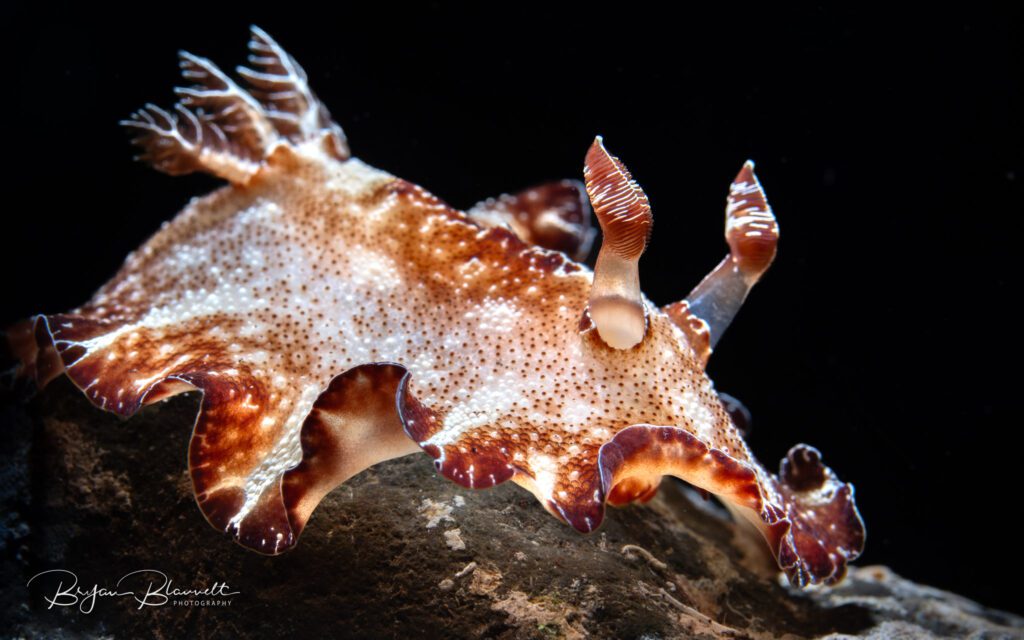
I love wide-angle shooting as well, but I find especially with bigger animal action, a lot of the artistic compositions come down to luck with the animals and a quick reaction time (thinking about striped marlin and bait balls in Magdalena Bay as an example) versus careful planning and execution.
How do you stay updated on the latest techniques and technologies in underwater photography?
Some underwater photographers tend to keep their productive dive sites and favorite techniques to themselves, but a lot of us are happy to share and collaborate as well. One way I have kept my own knowledge and skills sharp is by participating in underwater photography workshops. These group trips bring like-minded people together on the same dive itinerary, usually with a trip leader that provides some sort of teaching sessions as well as regular image reviews. I find the image reviews to be valuable for learning from others as well as the instructor - everyone has been diving on the same sites, but the images created run the gamut of styles and techniques.
Besides shooting as much as I can and meeting other photographers out in the field, I also stay up to date by following newsletters such as InsideScuba.online or watching The Underwater Photography Show on Youtube. Social media groups and websites like Waterpixels are also good places to connect with people to share images and ideas.
How do you think underwater photography can contribute to marine conservation efforts?
Underwater photography and videography play a huge role in marine conservation efforts today. Most people will never see a shark or a coral reef for themselves, and providing a window into a world that is alien to so many people can be an effective way to communicate how special and important that world is.
On the flip side of that coin, underwater photographers and videographers are on the front lines as witnesses of what is being lost as well. There is a balance between showing the beauty of underwater life and the negative impacts that human activity that can inform and motivate people to do something to protect the environment.
What are common mistakes new underwater photographers make, and how can they avoid them?
New underwater photographers often make the mistake of moving too fast. Underwater photography is time-limited, so it’s natural to feel a bit rushed while searching for subjects on a dive. My biggest advice is to avoid the temptation to try to cover as much ground as possible while taking snapshots the whole way. All that accomplishes is filling your memory card with a large number of mediocre photos. Instead, try to change your mindset and only look for two or maybe three great opportunities each dive, and really dial in on those subjects and spend time with them.
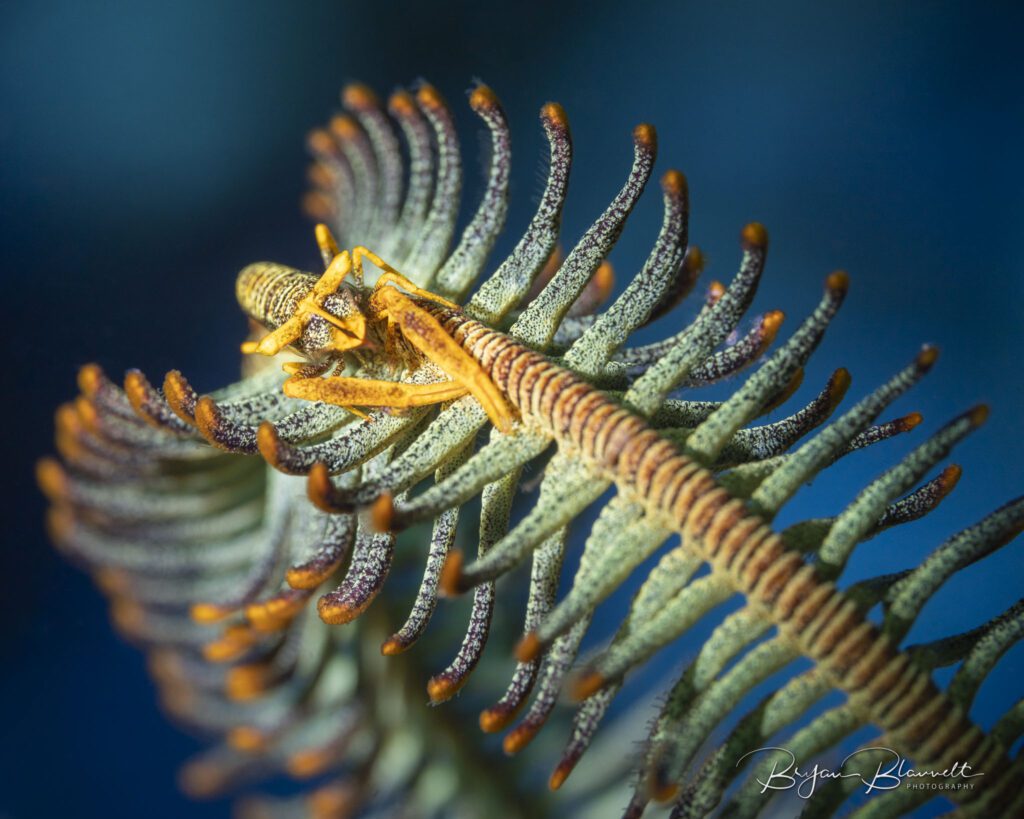
You will improve your results if you identify your potential subject, shoot some initial images of it, and then carefully review what you’ve just shot while you’re still in front of the subject. First, decide if you like the exposure – is the blue too dark or too bright? Do your strobes or video lights create any bright hotspots you could fix? Adjust your camera settings to fix the issues you notice.
Now, look again at your image and decide if you like the composition – is the subject placed in an interesting way in the frame or a less interesting “bullseye” right in the center of the shot? Check the edges and corners of your photo – are there any distracting elements you could take care of by carefully reframing the shot in your viewfinder?
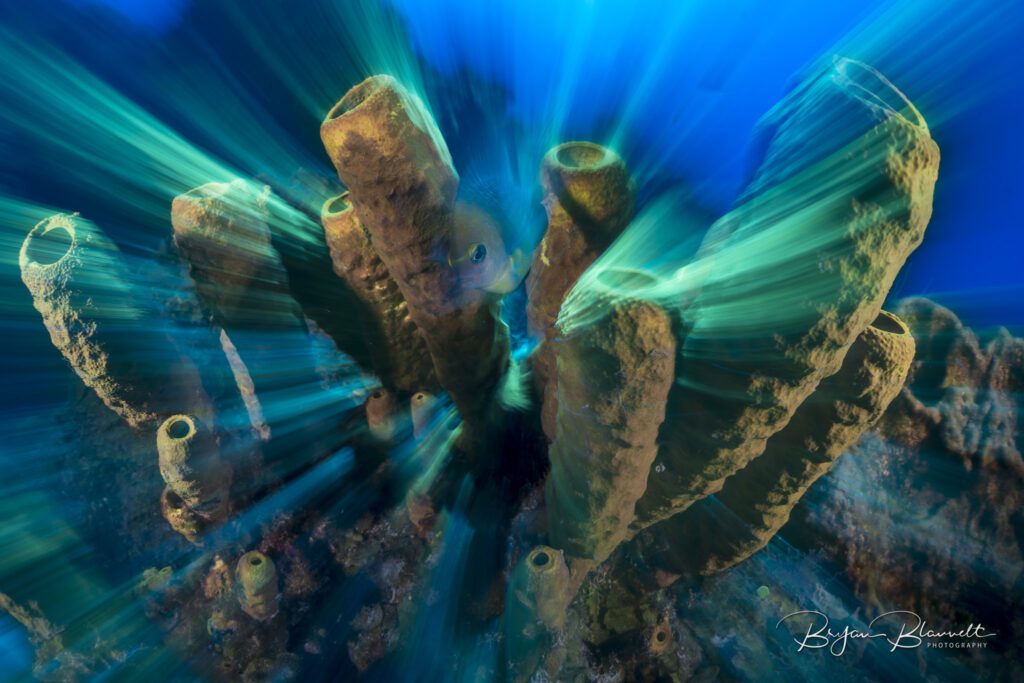
By taking some time to really look at what you are shooting and to dial in the details, you will see a tremendous improvement in the quality of your photos as a new underwater photographer!
What excites you most about being a brand ambassador for Ultralight?
I am thrilled to have a working relationship with a company that produces such high quality products and that listens to customer feedback.
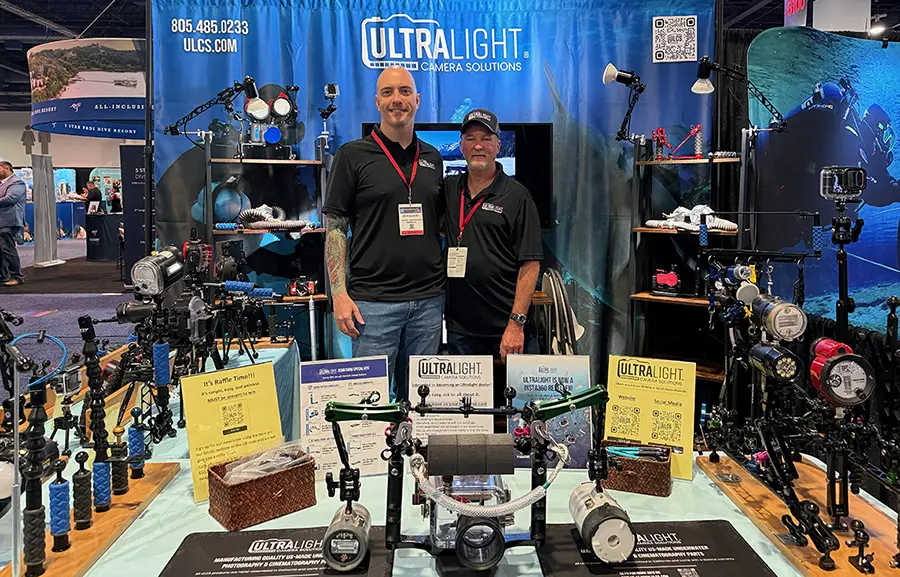
I love the fact that everything is manufactured and assembled in Oxnard, CA by a small team and that every customer and every order means something to Ultralight. I also value the 30-year legacy of craftsmanship and customer service that Ultralight has built over the years. I am proud to partner with a company with these values and I am excited to be part of the ambassador team!
What is your favorite Ultralight gear?
My favorite gear has got to be my long cutout AC-CSLSK2’s and the new 4” quick release! The long cutout clamps are amazing combined with my beefy 90mm Nauticam buoyancy arms… and the quick releases got a bunch of use on my last Anilao trip.
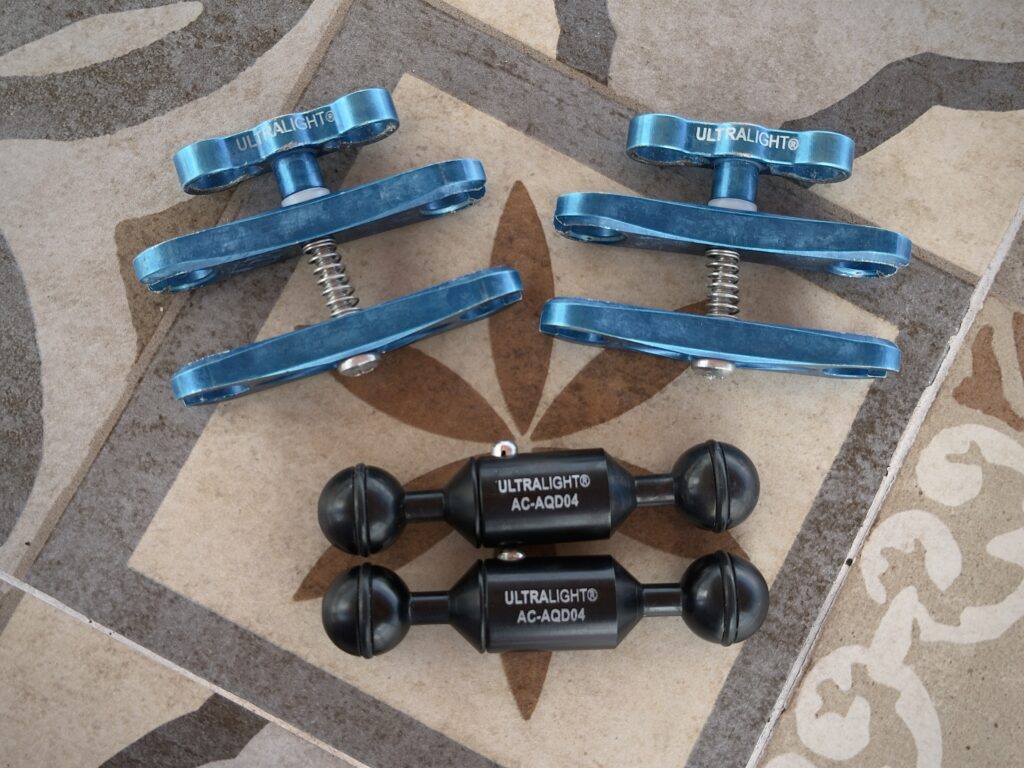
Thank you, Bryan, for taking the time to share more about yourself and your work with us. We definitely picked up a few new things, and I’m sure our customers did too. It’s always great hearing how someone finds their way into a field they love—the wins, the lessons, and everything in between.”
For more information about Bryan, you can find him at Instagram and Facebook.