At Ultralight, we believe our gear is only as good as the underwater photographer, cinematographer, or camera assistant it supports, and no one showcases that better than our Brand Ambassadors. To give you a closer look at their images, stories, and the passion behind their work, we asked each Ambassador a series of thoughtful questions about their backgrounds, favorite rigs, and what inspires their photography and filmmaking. It’s our way of sharing not just how Ultralight gear is used, but also the creativity and spirit of the people who bring it to life.
Please share a little about yourself and the journey that brought you to where you are today.
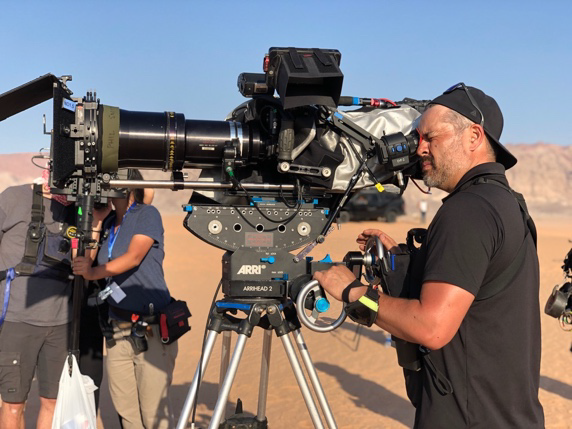
Kia Ora, everyone. My name is Philip Smith, and I’m originally from Porirua in New Zealand.
My family and I have now lived in the UK since moving here in 2014.
What things in life helped you get where you are today?
A lot of hard work and good people have helped me on my journey. I’ve been fortunate enough
to be involved in some great projects with amazing people, which helps show you that being in
the film industry can be creative and enjoyable. Essential when the shoots take over your life!
What inspired you to specialize in cinematography?
How did you get into cinematography? What sparked your passion?
My first introduction to Cinematography was via a DP in NZ called Al Bollinger. I was a
production runner (PA) and had not seen a film camera up close or been on a set before when
I watched him shoot some tests for a show he was involved in. The mystic and ‘magic’ of that
day produced more questions than answers. I couldn’t tell you what he was shooting, but I can
remember looking at this camera and his light meter (which I had no idea what it did at the
time!) and thinking what he was doing looked “pretty cool”. A while later, I had the
opportunity to work as a camera trainee with Director of Photography John Cavill and
Director John Mahaffie. Both were not only incredibly skilled at their craft but also truly
amazing people. It was an experience that left a lasting impression on me.
Over the next year or so, I had the pleasure of working alongside them and observing their
craft up close, surrounded by a crew who have since become lifelong friends.
What were some of the biggest challenges you faced when starting out?
Not having come from a formal film school background, my first real challenge was getting to
grips with the equipment, on-set protocols, and basic film knowledge. I ordered a few books
from the US to kickstart the journey — this was back before the internet became the go-to
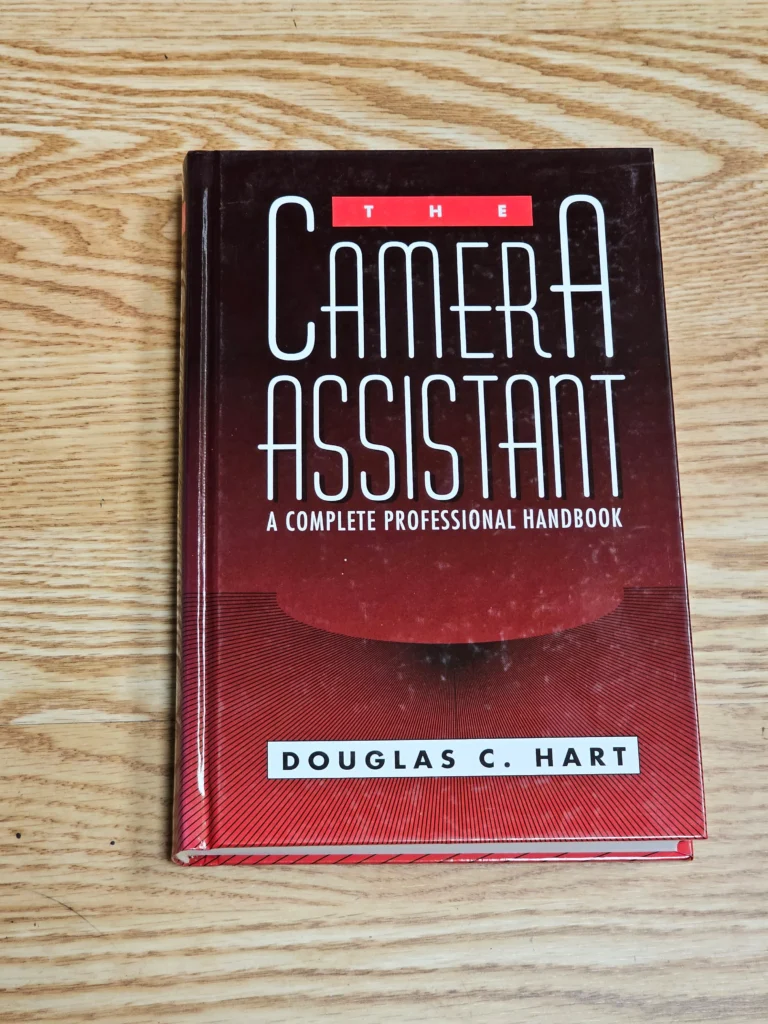
source for everything. The Camera Assistant: A Complete Professional Handbook by Douglas
Hart was an absolute gem to have on hand. There was usually an ASC Manual floating around
the crew, and beyond that, you just listened, watched, and learned from the people around
you.
What’s in your go-to camera kit for different types of shoots?
I think most of us become creatures of habit. I have my preferred kit and a specific way I like
to set up a camera — it evolves slightly from job to job, but the end goal is always the same:
build a camera that’s quick to work with, reliable, as compact as possible, and tailored to what
the operator needs. These core goals help shape the kit list from the start.
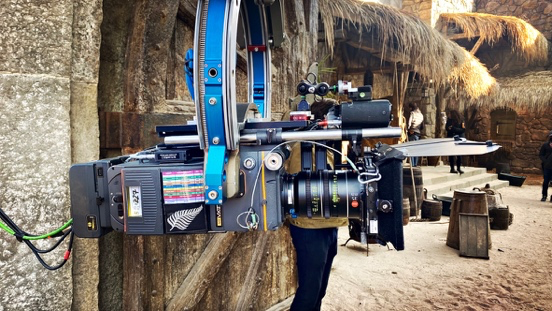
My go-to setup typically starts with Ultralight arms, cine locks, and the ARRI Hi-5 ecosystem
as the foundation for a standard build. From there, we add accessories based on what other
departments — like Video or DIT — require, creating a solid base that works in most shooting
environments. Depending on the demands of the scene, we then adapt the build for Steadicam,
handheld, Ronin, tight spaces, or any other specific mode needed for the shot.
How do you decide which gear to use for a specific project?
There are always discussions with the Director of Photography, the operator, and other key
crew members that help you piece together what’s needed for a specific shoot. A combination
of script breakdowns, location recces, production meetings — and sometimes even a passing
comment in the production office — will gradually steer you toward the right kit for the job.
What’s required for an action film is vastly different from the demands of a TV comedy, and
it’s those early conversations that start to shape the technical approach.
Are there any specific accessories or setups that you swear by?
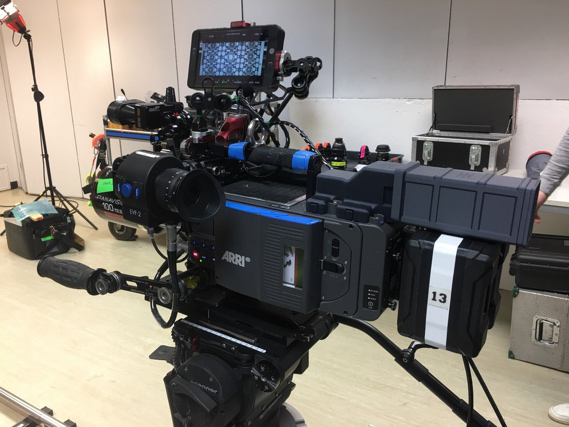
I think the pre-mentioned Arri Hi ecosystem, Ultralight accessories, and SmallHD monitors are
what make up a ‘must-have’ list for me.
How do you balance technical precision with creative storytelling?
It’s a daily challenge! Focus is one thing that is both highly technical as well as always being
used as a creative tool. Where should the focus be and when? What will the audience be
concentrating on at a certain part of a scene, a piece of dialogue, or when an actor walks across a
frame? These are decisions I will make with either input from the director, operator, or
director of photography, or without any input from them at all.
What’s your favorite piece of gear from Ultralight and why?
I use two double ball arms with a standard clamp to link them together and a cinelock ball
adapter to attach to the camera. I use differing lengths of double ball arms to help configure
them into the right position for the camera.
How important is social media in your role as a cinematographer and brand ambassador?
Socials are important as they’re a real resource for the industry to see who is using what and how.
Back in the day, it wasn’t until you were prepping at a rental house and you would bump into
other ACs that you had the chance to chat about new things you were trying or they were.
Now you just need to look at socials or an Instagram session, and it will show you what
crews/ac’s will be using on the other side of the world from the luxury of your phone!
What’s one thing you wish you knew when you were starting out?
What you are trying to do has been done before, and there are people in the industry who
will be able to help. Just ask!
Do you have a dream project or filmmaker you’d love to collaborate with?
A dream project would be a small shoot that travels the world with an amazing cast and crew.
What’s the most unforgettable shoot you’ve ever been on?
I feel it’s very hard to lock down one particular shoot. They all have their particular
memories. Mad Max: Fury Road will be one of the most challenging logistically and technically.
Shooting the Darth Vader sequence for Rogue One would have to be the biggest fanboy
moment. Flea Bag is the show that was the funniest. Batman would be the most rewarding
visually. Avatar would be the most ‘unique’ experience. Perhaps The Lord of the Rings (the
movies) would be the most unforgettable for the sheer impact it had on all my future projects
in terms of expectations of crew and content.
If you could only shoot with one camera and one lens for a year, what would they be?
Alexa 65 and the APO 35mm from Panavision.
What’s a behind-the-scenes moment that made you laugh (or panic)?
Showing up for a certain scene on Fleabag and seeing a wall of prosthetics. It was a true laugh
and panic moment all rolled into one. If you know the show, you’ll have an idea of the scene I
mean.
What do you do when you’re not behind the camera?
Play golf! And if I’m not playing golf, I’m thinking about playing golf.
What does being an Ultralight brand ambassador mean to you?
I like being a portal for ideas, both from Ultralight to the camera department and from the
camera department to ultralight.
How did your partnership with Ultralight come about?
I’ve been a longtime user and reached out to see if there's anything I can contribute.
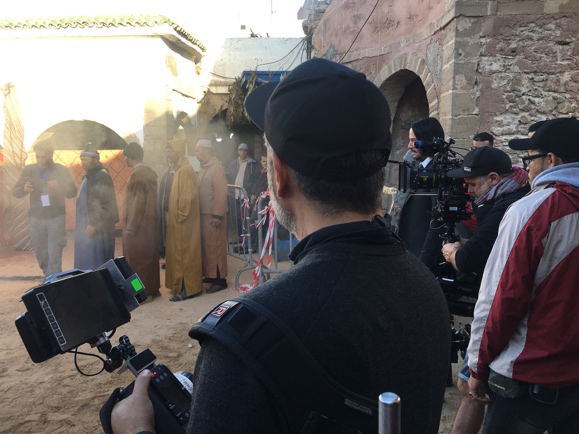
What excites you most about being a brand ambassador for this company?
The potential to help develop products that will make our job easier and faster.
What unique features of Ultralight do you find most valuable?
The robust nature of the items, as well as the modular aspect, allows for an endless
amount of ‘builds’.

Can you share a project where this gear significantly impacted your work?
Mad Max. We had some very specific camera builds that required items on the camera to be in
different positions at a moment's notice. The adaptability to change things and the speed at
which it could change were perfect.
Do you get to test or provide feedback on new gear before it’s released?
As I’m in the UK I have not tested any new equipment.
Thank you, Philip, for taking the time to share more about yourself and your work with us. We definitely picked up a few new things, and I’m sure our customers did too. It’s always great hearing how someone finds their way into a field they love—the wins, the lessons, and everything in between.”
For more information about Philip, check out his IMDb page