At Ultralight, we believe our gear is only as good as the underwater photographer, cinematographer, or camera assistant it supports and no one showcases that better than our Brand Ambassadors. To give you a closer look at their images, stories, and the passion behind their work, we asked each Ambassador a series of thoughtful questions about their backgrounds, favorite rigs, and what inspires their photography and filmmaking. It’s our way of sharing not just how Ultralight gear is used, but also the creativity and spirit of the people who bring it to life.
Could you please share a little about yourself and the journey that brought you to where you are today?
My name is Tiffany Aug, and I grew up in northeast Philadelphia. I went to school at Emerson college in Boston before moving to Los Angeles California.
What things in life helped you get where you are today?
I didn’t have a great time growing up in Philadelphia, so I had a strong desire to leave, which motivated me to work really hard to earn scholarships for school since I couldn’t afford it on my own. When the time came, I had narrowed it down to 3 schools that accepted enough of my grants and scholarships to go and I picked the one farthest away from home. Unfortunately for me, that landed me in Boston with little to no money for day-to-day life, including an inability to purchase appropriate winter weather clothing. So, when the opportunity to move to Los Angeles (a place with no winter) arose, I took it.
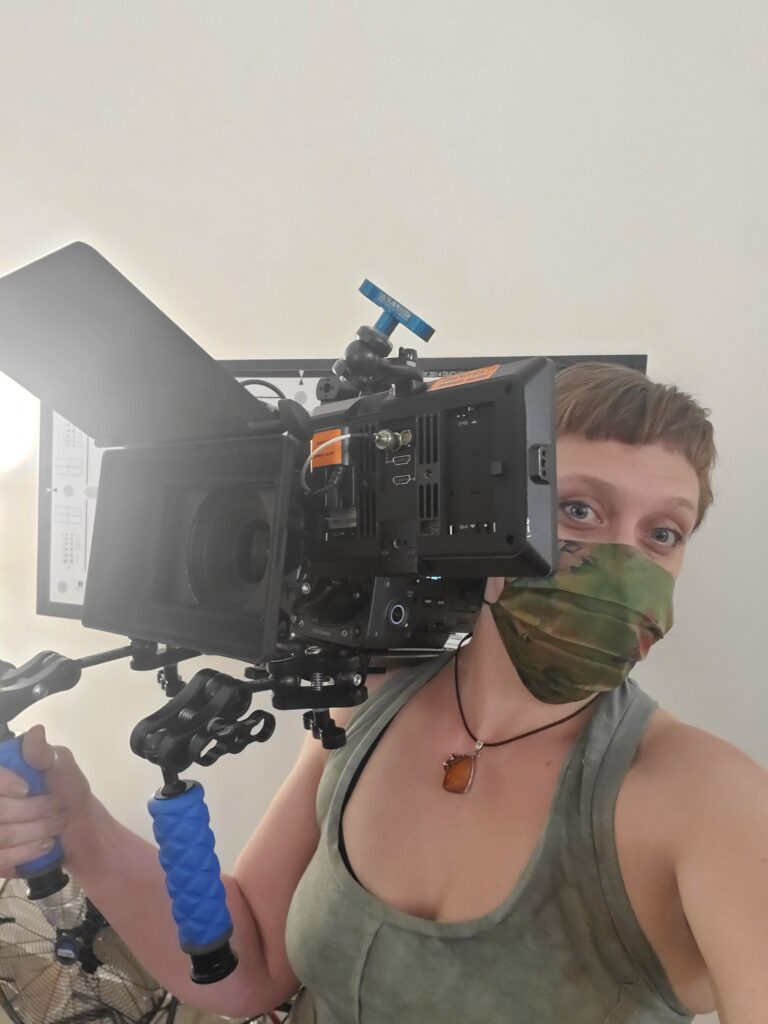
I knew if I wanted to succeed in a town as big as L.A. I had to be good at my job. So, I worked really hard to just get experience. I worked every weekend and holiday in school on student projects (from any school with a film program, not just mine) as well as working during holiday breaks and taking some days off classes to do freelance jobs in the New England film industry on commercials and whatever features or sports came through. I’ve always liked cameras, so I just kind of floated around and tried to learn as many of them as I could get in a room with.
So, I think stubborn refusal to exist somewhere I hated was probably the major motivator for me getting to where I am today, but professionally, a curiosity and interest in cameras carried me to the path I took to get here.
How did you get into filmmaking and being a camera assistant? What sparked your passion?
I knew then I really liked cameras. When I was about 16, my dad showed me how to disassemble, clean, and rebuild a single-lens reflex camera, and seeing all its parts really just opened the door to me in understanding how a camera makes its images. It was so interesting to me, I thought I should probably figure out a way to continue working with cameras and make a living. When the time came, I went to a film school that gave me a lot of opportunities to be hands-on learning how motion picture film cameras worked. I was lucky my school kind of let students decide how much time they wanted to spend on set vs in the classroom. I was also lucky, I ended up in a city with lots of colleges with film programs, so I had access to a larger pool of projects I could work on and a wider variety of crews and cameras to expose myself to.
When the digital era in filmmaking began, I was nervous because I had just graduated, moved to LA, and had no experience with digital cameras. I got an Internship at a small digital camera rental house that again afforded me a lot of hands-on experience with the cameras, as they were small, so everyone had to kind of wear a lot of hats. I still approached digital cameras the way I was taught to approach film, where the 1st ac was responsible for making sure the camera was working the way it needed to for the project/shot. At the time the dit position didn’t really exist, neither did log/raw recording for that matter so sometimes you had a video controller who’d come do color and settings for you but sometimes it kind of just had to get done by whomever had the most experience with the camera/workflow which as a young camera assistant, turned out often to be me. I think because there was this gap in crewing and because I am naturally very interested in how the camera makes its image, it came very naturally to me to learn and kind of fill in that gap of maybe being something of a camera tech/focus puller.
Either way, it all comes down to the spark of my passion, being a general curiosity about what’s actually happening inside the camera to make it work.
What type of filmmaking do you prefer and why?
I’m not sure anyone has one type of filmmaking they prefer over others, as they all bring their own set of interesting challenges. I do like a practical in-camera effect, so a lot of music videos and experimental/art films are my jam for that. But genre-wise and content, if I have to sit for 14 hours a day to make something, I’d go comedy. They’re usually pretty straightforward camera-wise, which can be boring right up until they need to design a shot to sell a joke or put a camera somewhere completely strange for a joke. I think for camera people, traditional filmmaking using a camera to tell the story with its movement, lenses, and focus comes naturally and is more easily appreciated by us.
What were some of the biggest challenges you faced when starting out?
I think one of the biggest challenges I personally faced was finding the right crew to work with. I came up at a time when there weren’t a lot of women doing what I do, and the ones that did were more in a “she gets us coffee, and we let her say she’s in the camera department” kind of position. It was frustrating, and it took a while to find people who just wanted someone to do the actual job, to build and focus the camera, not to look cute and get them things from crafty. I’m again super fortunate that a lot of the friends I made in film school were able to help me by building a department where that wasn’t the case.
What type of camera setup do you currently use as a camera assistant?
I have a small rolling pelican that has pretty much everything you need to build out a couple of cameras in it. The contents are actually covered in a blog post over at focuspulleratwork.com. https://www.focuspulleratwork.com/post/tool-box-tour
I never really got into the gear-buying part of it because I like to change my “focus setup” with the job and its needs. I also came up at a time where we only had remote focus for remote shots like crane or steadi so I never really solidified a preference for any one device that way. Similarly, I was doing a lot of shows that were all location work, so having a setup that primarily functioned on stage wasn’t a part of my life for a really long time.
What role does a camera assistant play?
Like most positions on set, the role of camera assistant can vary from job to job. Mostly, you’re going to work with the cinematographer, operator, and director to figure out what they need from the camera to get the shot. Then you’re going to figure out how to make the camera fit those needs with the resources you have at hand. There’s obviously a lot more to it than that, both creatively and technically, but at its core, that’s the job.
Do you have a favorite piece of Ultralight gear and why?
I think my favorite piece of gear from ULCS is probably the cutout clamps or the quick release ball adapters. The cut-out clamps really helped get on camera accessories all the places they want to go with a really small light footprint.
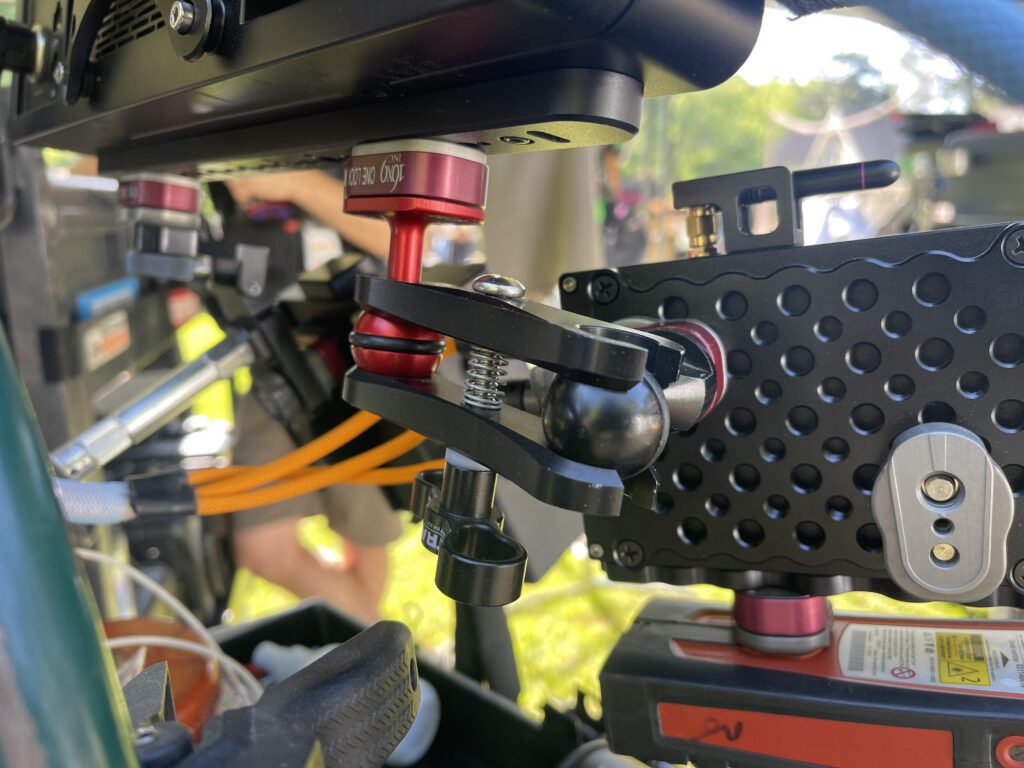
I love ultralight arms for all my accessory mounting both on camera and on my focus station. The quick-release ball adapters for cine locks really helped make my builds light, versatile, and fast. The ability to add accessories with minimal weight is key. Also, the way my operator can just push or pull their monitor to where they want with one hand and how quickly you can lower a wireless transmitter for another camera with one hand is great. I also really like the double-ball rod arms because my dolly grip can just grab them with a head for quick mounting off camera, if/when needed.
Similarly, I use the ULCS on my focus station because I can use pressure to change the angle of my hand unit in shot or tighten it down fully if I’m in a vehicle or somewhere I need the full sturdiness of the build. The option for Arri locking pins in some pieces is also great for long-term mounting.
How do you approach your creative process and storytelling?
My creative process is twofold. I have a lot of technical creativity with camera builds and signal workflow that’s useful in a storytelling framework because getting signals where they need to go efficiently is going to enable all the people contributing to the storytelling to do their part better.
More traditionally, there’s a lot of creativity in the focus of a frame. It’s easy, especially in a format like TV, to kind of lose the forest for the trees. You can forget the purpose of your shot because sometimes you’ve just done so many of them that you forget that each one has its own purpose in the greater story. So, knowing where to direct the viewers focus and when is definitely a huge creative endeavor. For me, understanding the scene and where my shot would fit in helps, so I often seek the advice of my operator, DP, or director if I’m unsure of the right decision.
What is the workflow for a camera assistant, and what are your responsibilities?
But as an assistant my workflow on a typical shoot is to talk to the DP/op/a 1st beforehand to find out how we’re shooting. (Handheld, studio, remotes, stabilizers etc.) As well what conditions we’re using (stage vs location vs travel). All of that can affect how you build and pack a show/camera. Obviously reading scripts to be aware of any scripted effects or shots you need to think about is on the check list as well.
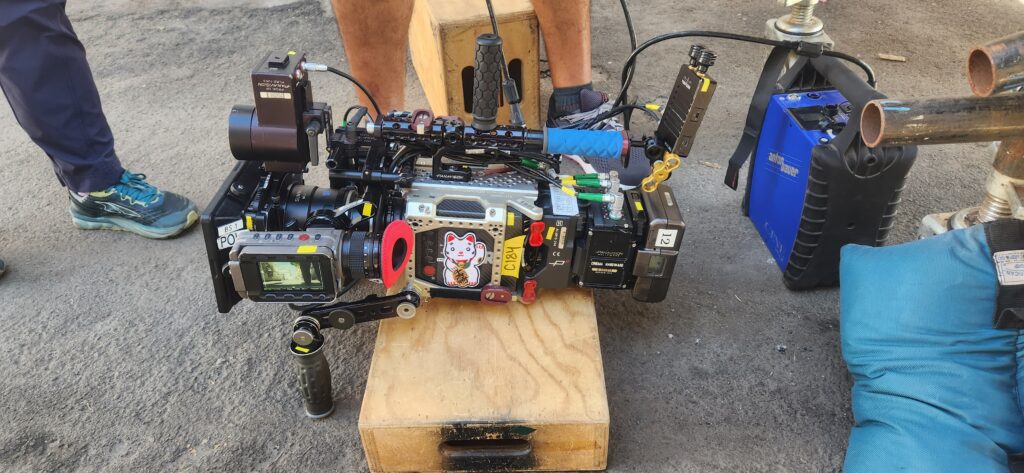
You may also be in charge of building the rest of the department, and that’s a huge responsibility because you need to craft a team that’s going to work well together towards the common goal of completing the project and supporting the director and DP.
Another responsibility of the 1st ac (especially a 1st ac) is to work with production on meeting budget goals while still maintaining a package that meets the creative needs of the project as well.
What’s the best piece of advice you’d give to someone just starting out?
When I was starting out, I wish I learned sooner that not all crews are the same. You’ll find your tribe eventually. If you start out and don’t mesh with the first crew you’re on set with, don’t get discouraged, just keep meeting people and putting yourself out there, and you’ll find your people.
Day to day, you want to familiarize yourself with the work for the day and upcoming days to know what gear you need today or need to order for later. And listen to rehearsals and discussions about the look and feel of the shots So you know what the ultimate goal of the day is visually.
I think a great tool for everyone on set is to always be listening. There are lots of times when you’re asked to withdraw for private rehearsals or during or between takes, when directors and actors are having private discussions to tweak performance. That doesn’t always mean you should just check out until called back in. It is a great time to run to crafty or the restroom, but ultimately, it’s also a good time to listen to what conversations are happening to prepare for what’s going to happen when set opens back up and work resumes. Basically, it’s efficiency, try to use your time as efficiently as possible because on set, time is money.
What are some of the challenges you have on set, and how can they avoid them?
Avoiding all challenges on set is impossible, but trying to avoid as many as possible is always the goal. A lot of challenges on set arise from the sheer volume of different personalities you’re going to run into on a day-to-day basis. You’ll often have 70-100 people on a set, all working toward a common goal. That’s no small feat to pull off, so every now and again, there are going to be differences of opinion as well as friction between individuals. Learning to keep a cool demeanor, as well as how to level off your own personality traits that others may not react well to, are great 1st steps to avoiding conflicts and challenges on set.
Physical challenges are also in abundance on most sets. Space specifically. Every department has an amount of stuff they need with them to be quick and efficient at their job. Especially when working on location the physical staging space around the on-camera set is often less than desired. So as a group we’re all constantly having to prioritize who gets what space in relation to the set to best meet the individual goals of the departments as well as the common goal of the production. It’s not easy and the best advice I can give is to try to send someone to look at the space as soon as you can, while someone gets with the DP about how much stuff you think you need “on hand” to limit your own footprint to gain better positioning. Using your skills with navigating challenging personalities is going to be key to navigating a physical challenge like this.
Remembering everyone is in the same boat and having empathy for other departments and their needs is also a great tool for this.
How has cinematography changed since you started your career as a camera assistant?
Cinematography has had a lot of evolutions since I started working on sets. It’s always Interesting to see the current trends. I touched earlier on being there for the industry migration from film to video. In addition to that, I’ve also gotten to witness a change in how live events are being shot. They used to be more about the shots, actual frames with lighting being more like a stage production of almost being part of the set design than a brush in the painter’s tool box. In recent years, I’ve seen a migration to live events wanting more of a cinematic look, lighting focused on the subject, not just a follow spot, shots that use depth of field and focus in addition to just having the action in the frame.
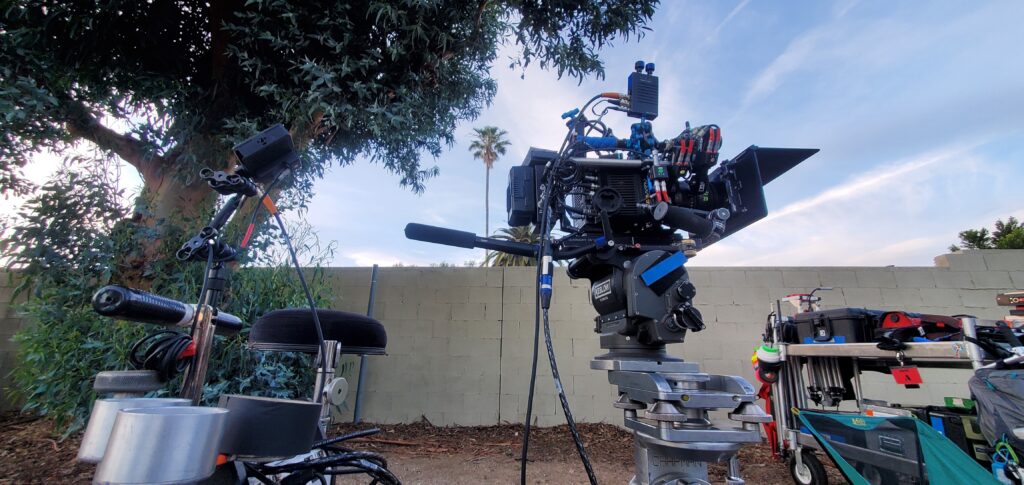
I’ve also gotten to witness the amazing change in lighting options for cinematographers. With the new world of LEDs and wireless control of lights, cinematographers can get light so many more places than they used to. They also have so much more flexibility with how those lights perform within a setup. It’s been so cool to see people really push the limits of what they can do with that.
What are your thoughts on the changes with film versus digital cinematography?
When I 1st went to school for film that was the gold standard. Everything that wasn’t broadcast was film. Video was just kind of a budget tv thing for news mostly. Watching the film community be introduced to video and achieve 24p and embrace digital, to see the doors digital opened to people in terms of affordability as well as pushing visual and optical limits was so cool. It’s a trip that I feel like I’m on the other end of it now, where I’m watching new generations raised on digital, where it was the gold standard option for them for so long, discover and push the limits of film again is wild. I think there’s room creatively for both, and whatever the next evolution is as well. Art has many mediums so to speak.
What advice do you have for photography who want to work with brands?
Working with brands was never on my list of goals. I somewhat fell into it accidentally here. I’ve always recommended products I actually liked and believed were useful and worthwhile so I guess it was bound to happen. Advice-wise, I’d say find a product you actually like and use and believe in, ideally are on a soapbox about anyway, and then offer to help that brand become standard, help your peer realize there’s a reason that brand is preferred to imitations or others.
Do you have any exciting projects or goals?
My goals are to continue to be invited to projects that interest and challenge me in the future. My current favorite client and most exciting project for the past few years has been the SuperBowl halftime show. I was lucky enough to be invited to be a part of it again this year. That project, since it went cinematic multi-cam in 2020, has been pushing boundaries and achieving technical innovation with each year. It’s so cool to work with people with such a wild, creative drive and to be a part of the technical team to make those visions come to life, live to air.
Do you prefer a specific lens or camera setup in your work and why?
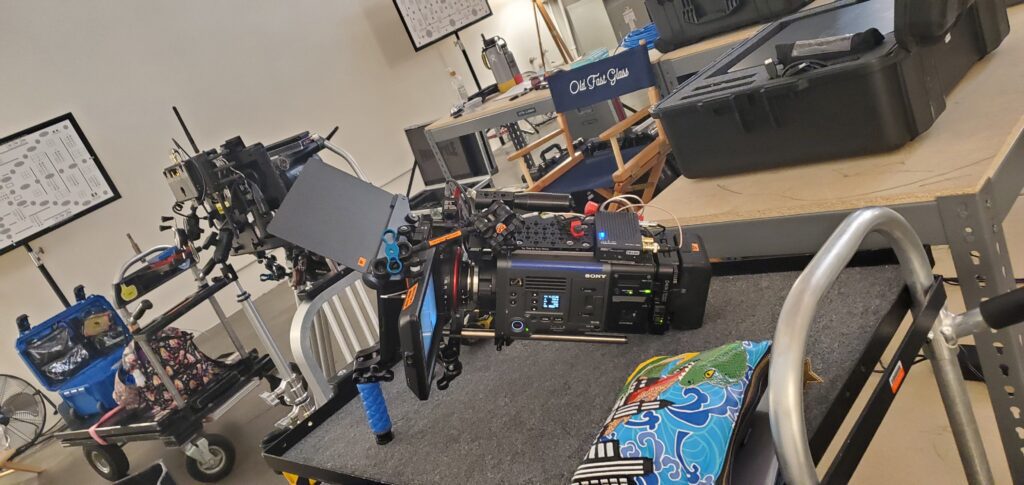
I don’t have a specific lens or setup because I work on such a diverse field of projects. That being said, a good portion of the TV I do is all handheld and all location, so there is a huge priority for small lightweight cameras that can fit places and be somewhat comfortable to hold for 15 min at a time. I like using as little metal as possible on my cameras for that reason. Not to go on an Ultralight rant here, but the system is really good for that. There are lots of options that are actually ultra-light for arms for holding accessories, as well as quick-release compatibility for when things have to go to fit in somewhere. The cut-out clamps give you maximum articulation, and the variety of locking pins, pinless, vertical, and horizontal ball mounts help me get things where they need to be with minimum weight added.
What are common mistakes that happen on set, and how can they avoid them?
Probably the most common mistake on set is miscommunication. Sometimes people just aren’t on the same page and sometimes people go into auto pilot when they really shouldn’t. It happens to the best of us, so making sure you’re in sync is key, keeping each other honest on when we might be veering off course is also helpful.
What does being an Ultralight brand ambassador mean to you?
Being an Ultralight Ambassador is a lot about peer pressuring people into joining the cult of Ultralight. Just kidding- it is about using quality, reliable products on builds to showcase their usefulness and durability. Also letting people see the difference between other similar products and the real deal. As well as getting new products out there to be field tested with real feedback from onset use.
How did your partnership with Ultralight come about?
I met Ken at Ultralight late in 2019 I think. He was a friend of a cinematographer I work for. At the time, we were doing stand-up comedy specials and other multi-cam events. I think the cinematographer had had to sit through one too many tirades about how I couldn’t abide knock-off Ultralight stuff because it just didn’t work. Ken came out to a camera prep to meet this madwoman and showed me some parts he had. He asked me for feedback on what might catch the eye of the non-underwater cinematography crowd. We introduced some operators to a monitor that they could quickly change the angle of with one hand, and discussed color-coated parts and clamps that could be used in more places. The rest is history.
What excites you most about being a brand ambassador for this company?
The most exciting thing about working with ULCS is probably the direct contact with what’s new and exciting at ULCS. Also, being able to talk directly with Ken when I have questions or feedback, or need a recommendation for what parts might help me achieve a goal.
Has working with Ultralight influenced your workflow and creative process?
Working with Ultralight has definitely cemented what was a preference for gear to an unwillingness to accept less. It’s also really highlighted for me just how bad some of the off-brand attempts are. It’s really a shame to see other companies knock off the base of his design but not follow through with the years of R & D he did to make his product actually work when theirs fails. They ruin people’s perception of the actual product that works.
What unique features of Ultralight do you find most valuable?
Probably the best unique feature of ultralight that I enjoy is that when I clamp something fully it says put. I also really like the long clamps and flexibility of the systems and ability to buy individual parts or a bundle.
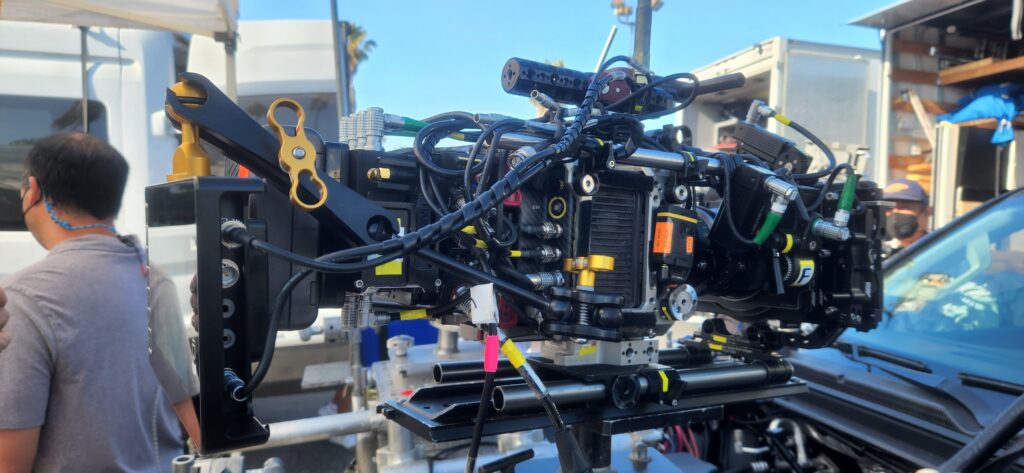
Do you get to test or provide feedback on new gear before it’s released?
I have been fortunate enough to test gear before it comes out. I’ve also been able to home modify (think Dremel-ing out chunks of aluminum at my kitchen table) prototypes to send back to ken for him to work out what would be a final product. Working with Ken and discussing feedback has been a really fun experience. I feel super supported and his customer service is great..
What advice do you have for photography who want to work with brands?
If anyone is looking to work as a brand ambassador I think a good place to start is buying products you love that you use frequently and show them to your colleagues and social media.
Thank you, Tiffany, for taking the time to share more about yourself and your work with us. We definitely picked up a few new things, and I’m sure our customers did too. It’s always great hearing how someone finds their way into a field they love—the wins, the lessons, and everything in between.”
For more information, you can find Tiffany on Instagram and her IMDb page