
At Ultralight, we believe our gear is only as good as the underwater photographer, cinematographer, or camera assistant it supports and no one showcases that better than our Brand Ambassadors. To give you a closer look at their images, stories, and the passion behind their work, we asked each Ambassador a series of thoughtful questions about their backgrounds, favorite rigs, and what inspires their photography and filmmaking. It’s our way of sharing not just how Ultralight gear is used, but also the creativity and spirit of the people who bring it to life.
Please share a little about yourself and the journey that brought you to where you are today.
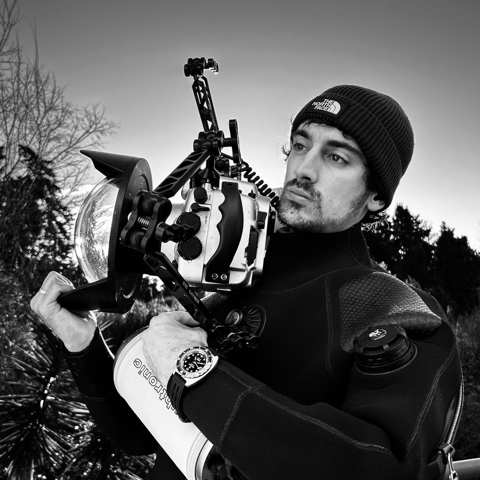
Hi, I am Vasco Coelho, and I was born in Lisbon and have spent my life between Setúbal and Lisbon. In 2020, I started my degree at IADE, where I had my first academic contact with photography. I learned several techniques and a lot about visual culture, since then, in 2023, I started a master’s degree in communication sciences at NOVA FCSH with the aim of deepening my study of cinema, which culminated in a Documentary "23 Miles". I have currently started my PhD in Fine Arts at FBAUL, where I intend to connect the Arts to the natural sciences and look for a way, with this connection, to make science more accessible, including art about nature in society.
What things in life helped you get where you are today?
When I was a child, my father used to dive. I remember looking at all his equipment with curiosity and a deep desire to one day do the same. He eventually took me to Portinho da Arrábida, a beach located within Portugal’s first marine protected area. There, I began snorkeling alongside him, discovering a world that didn’t belong to us, yet immediately felt magical.
The following year, I brought a small disposable camera with me. At just seven years old, I became an underwater photographer, without even realizing it.
Years later, in 2023, with more time and intention, I decided to take my diving certification so I could once again dive with my father. I completed the Open Water, Advanced, and Nitrox courses, and I’m now beginning TDI’s technical diving training, with the goal of documenting depths of up to 50 meters by the end of 2026.
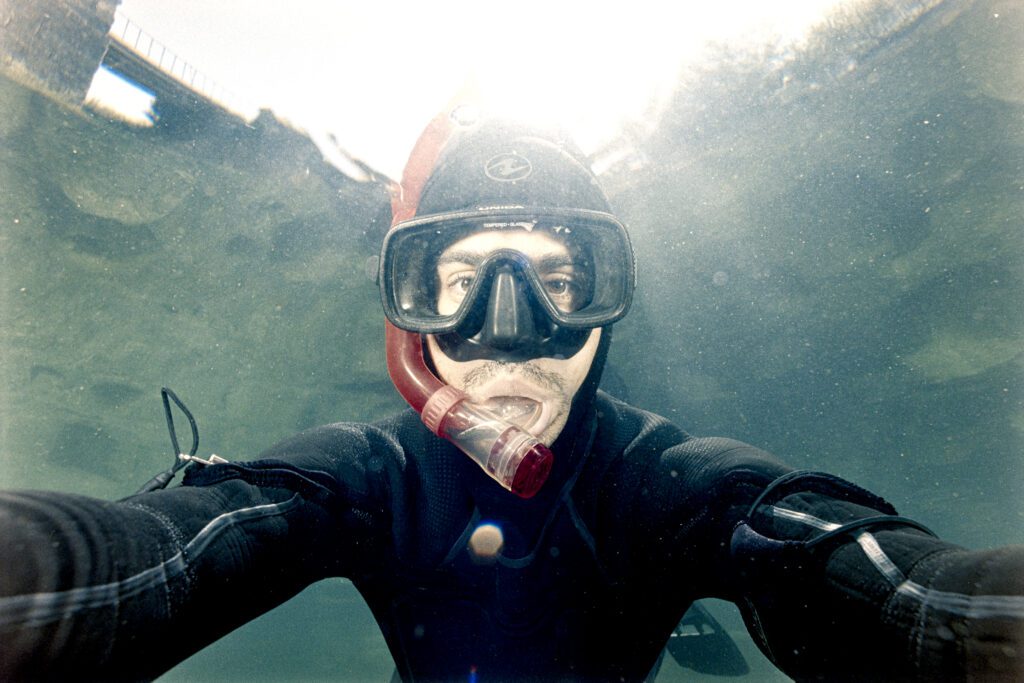
Everything I’ve experienced has shaped who I am today. I continue to work in photojournalism and documentary photography; they are my foundation, but increasingly, I feel drawn to the water, to capture and share what so few have the chance to see.
What level diver are you and where do you like to dive?
Right now, I have PADI Nitrox / Advanced Diver, and I'm finishing TDI's Intro to Tech
What inspired you to specialize in underwater photography?
What inspired me most was my father. He began photographing underwater before I was even born. When I was little, I used to look at his photos and videos with endless curiosity, always asking to see more. About five years ago, I even took his old Nikonos camera, complete with the old ULCS arms, and to my surprise, everything still worked perfectly!
Of course, I was also deeply inspired by Jacques Cousteau’s The Odyssey, a series of underwater films that I watched many times growing up. The Silent World continues to inspire me as well, and in underwater photography, David Doubilet and Jennifer Hayes are my biggest idols.
What were some of the biggest challenges you faced when starting out?
I come from a background in documentary photography and photojournalism on land, where I can change lenses whenever I want, swap memory cards, and move freely. But when I started diving, everything changed. It’s not the diving itself that’s hard to adapt to; it’s the time. Underwater, every meter counts. Every movement, every breath, every second matters for safety. Balancing that constant awareness while trying to capture strong images isn’t easy. With time, you learn to manage it, but in the beginning, one hour underwater feels like just five minutes on land.
Can you share a memorable moment or experience from your underwater adventures?
The best diving experience I’ve had so far was making my father dive again. He hadn’t been underwater for 20 years, and convincing him to return was something truly special. Sharing a dive with him after all these years was one of the most unforgettable moments of my life. On the boat ride, he kept telling stories about what diving was like in his time, using a Mistral, a bib, going down to 40 meters with a 12-liter tank, barely a meter of visibility, and training without a mask. Listening to him brought the past to life, and seeing him back in the water felt like closing a beautiful circle between generations.
What are your favorite locations or dive sites for underwater videography, and why? Without a doubt, it’s Sesimbra. Just five minutes from my home, I have the chance to discover something new every time I dive there. I can go whenever I want, with a tank or just freediving, and each dive reveals new corners and hidden life. It’s undoubtedly my home, a place that always offers good surprises: sunfish, sharks, even basking sharks, and sometimes large whales or orcas. Sesimbra is a true sanctuary, it’s where I dive at home.
What camera setup do you currently use for underwater photography? Right now, I'm using a Nikon Z8 with a Nikkor 17-35 ED F2.8. I love this setup. The old lenses are much faster with the FTZ adapter and the Nikon Z8 or Z9, and this lens has an abysmal quality. I love 17mm for wide-angle, and having a 35mm zoom is an asset for some images. I recommend this setup and this lens.
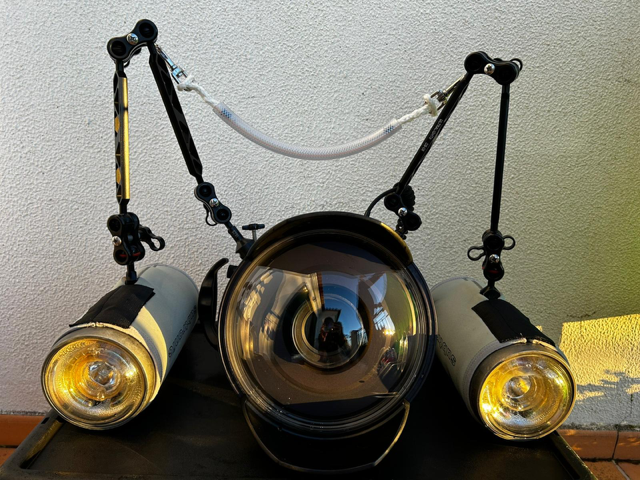
I use a Seacam Housing with two Subtronic Mega Color flashes. They are old, but I can change the color temperature in the flash itself. I found this very interesting.
Do you prefer macro or wide-angle photography, and why?
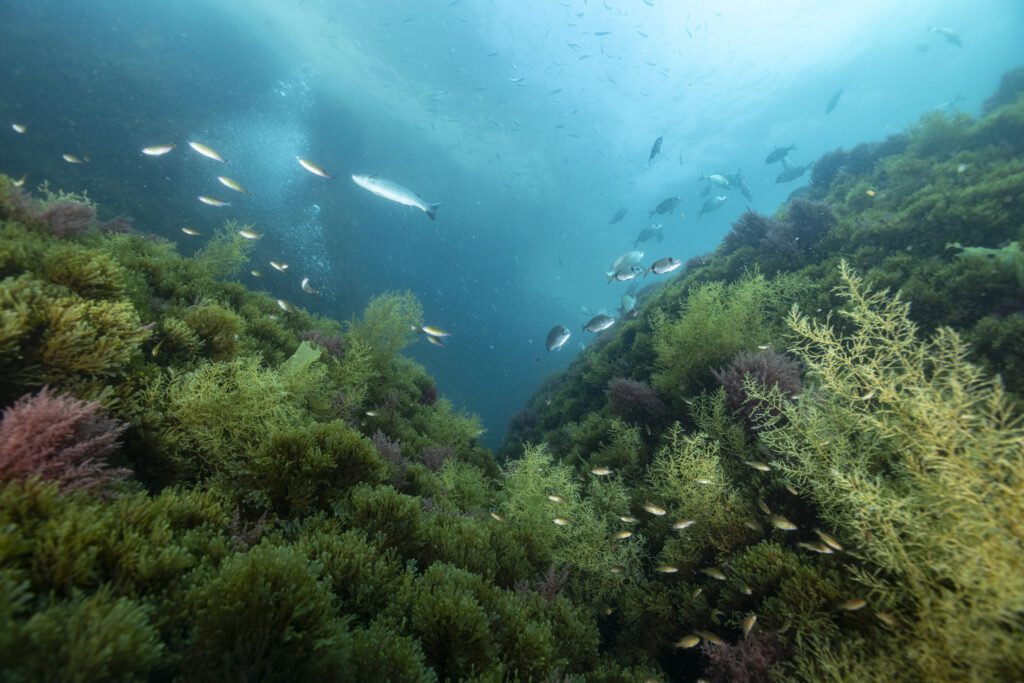
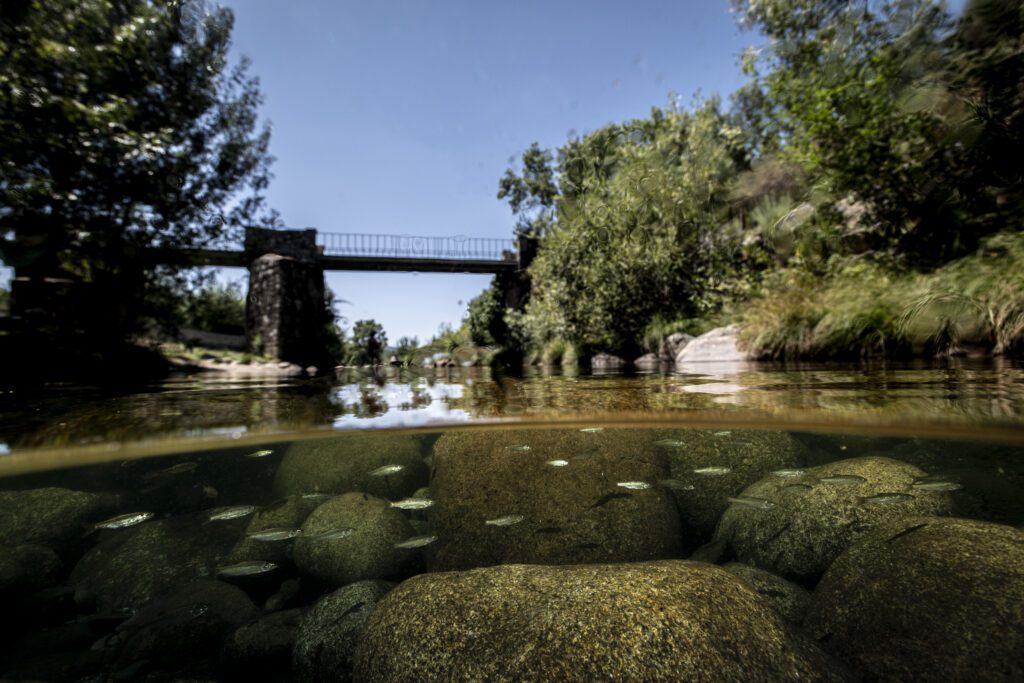
I love wide-angle photography. It allows me to capture the environment around me, to show the vastness and beauty of underwater landscapes, to portray technical divers in action, and to get close to marine animals while still revealing the world they inhabit. Through wide-angle images, I try to connect the subject and its surroundings, showing the harmony and scale of life beneath the surface.
Do you prefer strobes or natural light, and why?
I like to mix the two. When I photograph animals, I want to light them well and show the environment behind them. I also want to photograph landscapes, and when the light is good, it's not worth using the flash.
Do you have any favorite settings or techniques for capturing sharp, vibrant underwater images that you can share?
Patience and waiting for the right moment are undoubtedly two of the techniques I rely on most. However, what helps me even more is carefully planning each dive and thoroughly studying both the subject and the underwater environment, so that when we are there, nothing catches us by surprise.
How do you stay updated on the latest techniques and technologies in underwater photography?
That’s a great question. I always like to stay up to date with new technologies. I follow several YouTube channels that review gear, but even more importantly, I follow the official channels of brands, which often share their latest products and innovations.
What’s your favorite piece of gear from Ultralight and why?
I really like the ULCS DB-08, it's one of the main pieces of my setup and it never let me down, it's the right size for what I do, and it connects my flashes to the Housing in a very secure way.
What inspires your underwater photography? Do you have a specific theme or style?
I draw a lot of inspiration from other photographers. Many create truly remarkable work, such as Laurent Ballesta, David Doubilet, and Jennifer Hayes. Even photographers who don’t shoot underwater, like Henri Cartier-Bresson, James Stanfield, and Eddie Adams, serve as important sources of inspiration and study for me.
I particularly enjoy blending ambient light with artificial light. When I photograph larger animals, I like to experiment with slower shutter speeds to capture a sense of movement and atmosphere.
How do you approach composition underwater, considering movement and marine life behavior?
I always try to approach calmly, staying close to the bottom without disturbing gorgonians, corals, or other fragile marine life, so as not to scare the animals away. Many of them are naturally curious and tend to come toward us if we remain calm. Often, it’s our impatience that drives them away.
What’s your favorite type of marine subject to photograph, and why?
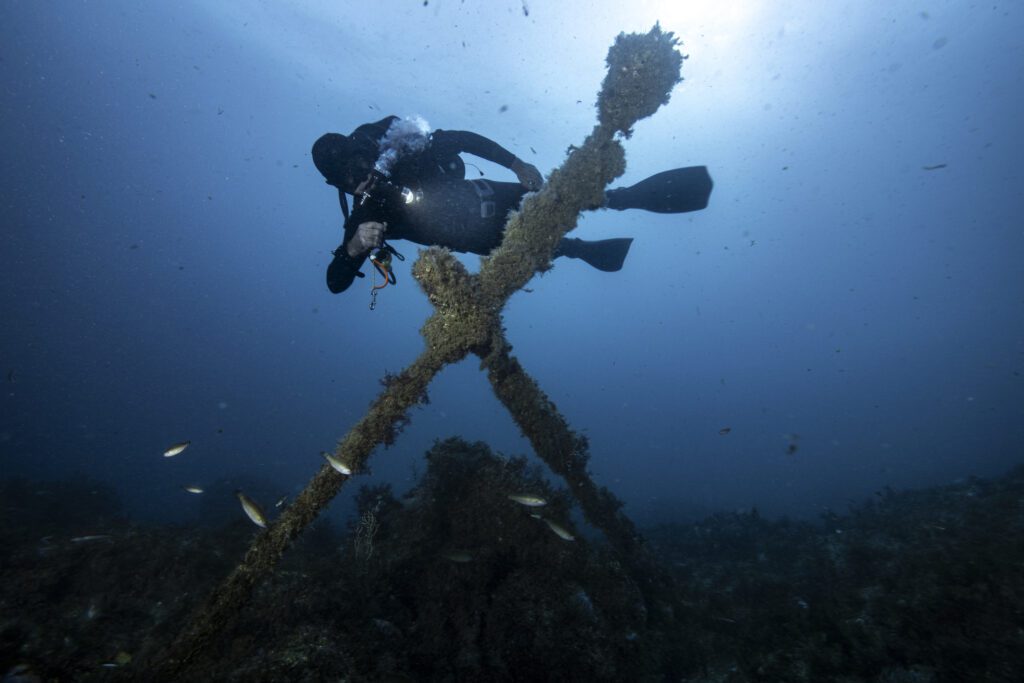
What I love most about this theme is the underwater mountains. I’m fascinated by rocky slopes surrounded by the deep blue of the sea. These areas often host passing schools of fish, corals, and even small animals, but from a wide-angle perspective, they make for striking images, with or without a diver.
I’m also drawn to shipwrecks, which are hotspots for marine life. The atmosphere there is magical.
Have you ever encountered any unexpected or dangerous situations while doing your photography underwater?
Once, I was photographing a nudibranch in macro mode, kneeling right next to a rock, when my father touched me on the shoulder, telling me to get out of there. When I moved, I realized there was a poisonous fish right under me, between my legs. It’s funny now, but at the time, it definitely wasn’t!
Do you use your photography to promote ocean conservation? If so, how?
Without a doubt!
Every underwater photographer plays a role in conservation, whether voluntarily or not. Just by posting an image of a marine animal on social media, we are already contributing; we are showing the world what exists beneath the surface.
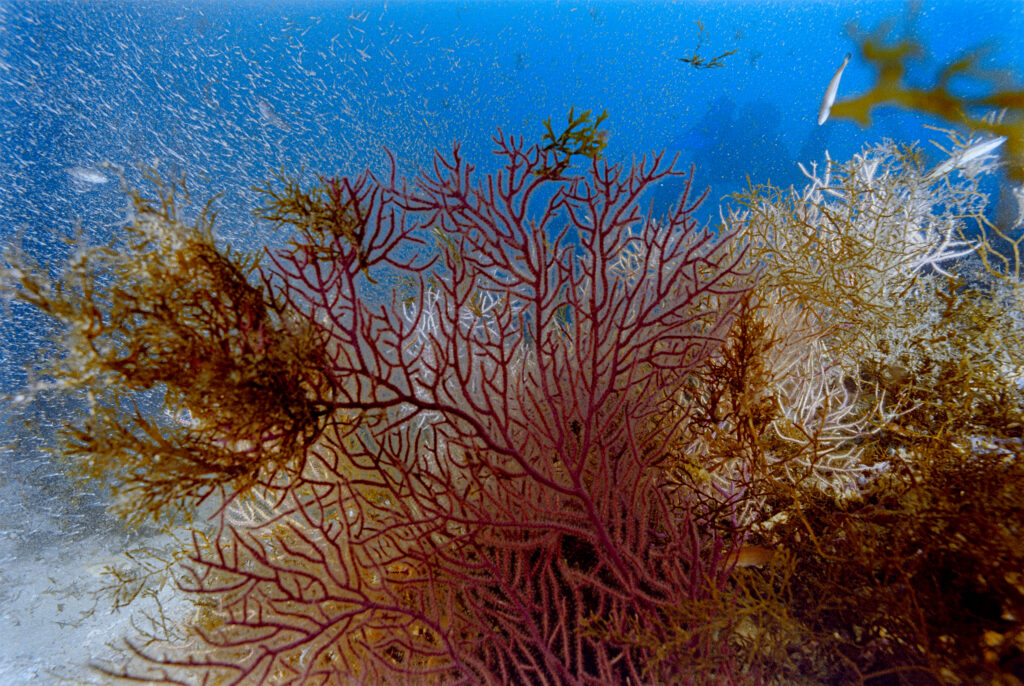
In my case, I started the Analog Sharks project, which promotes the protection of rays and sharks in Portuguese waters through analog photography. The project is still in its early stages, but over the next four years, we hope to gain more followers and support, helping Portuguese waters regain a greater diversity of these species than they currently have. It’s also about raising awareness and showing people that, yes, Portugal is home to sharks and many species of rays.
Are there any conservation projects or initiatives you’re passionate about?
There are several projects that I find very inspiring. For example, the Sea Legacy project with Paul Nicklen and Cristina Mittermeier, Dr. Jane Goodall’s Roots & Shoots initiative, and here in Portugal, the Generation Earth project supported by WWF. There are many interesting initiatives and opportunities, especially in times like these, when we should take the lead in creating our own. The key is to have ideas and make the effort to put them into practice.
How do you think underwater photography can contribute to marine conservation efforts?
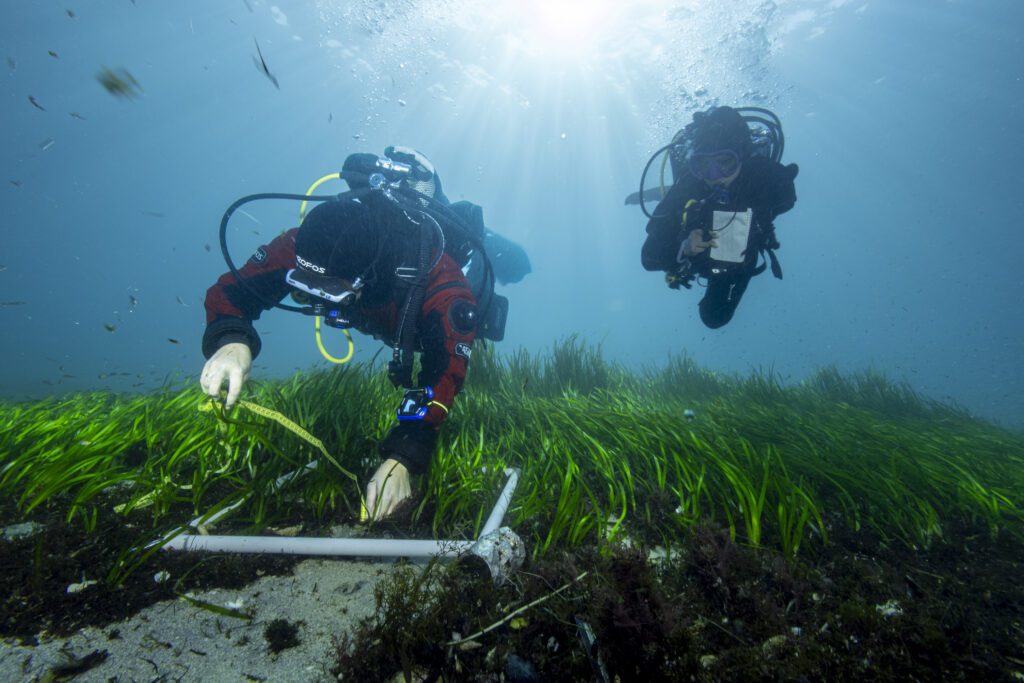
Underwater photography is a powerful tool for ocean conservation. By showcasing marine species, habitats, and the scientific work taking place beneath the surface, we can raise awareness. Sharing these images is an important step toward protecting these environments. Advice for Aspiring Underwater Photographers
What’s the best piece of advice you’d give to someone just starting out?
The best advice is to have fun, enjoy the sea, the species, and try to discover (safely) new places near your home, new areas where you can even find species new to science.
What are common mistakes new underwater photographers make, and how can they avoid them?
The biggest mistake many photographers make when starting out is putting photography before diving safety. First and foremost, we must always prioritize safety underwater; it’s not worth capturing a great image if it puts our lives at risk.
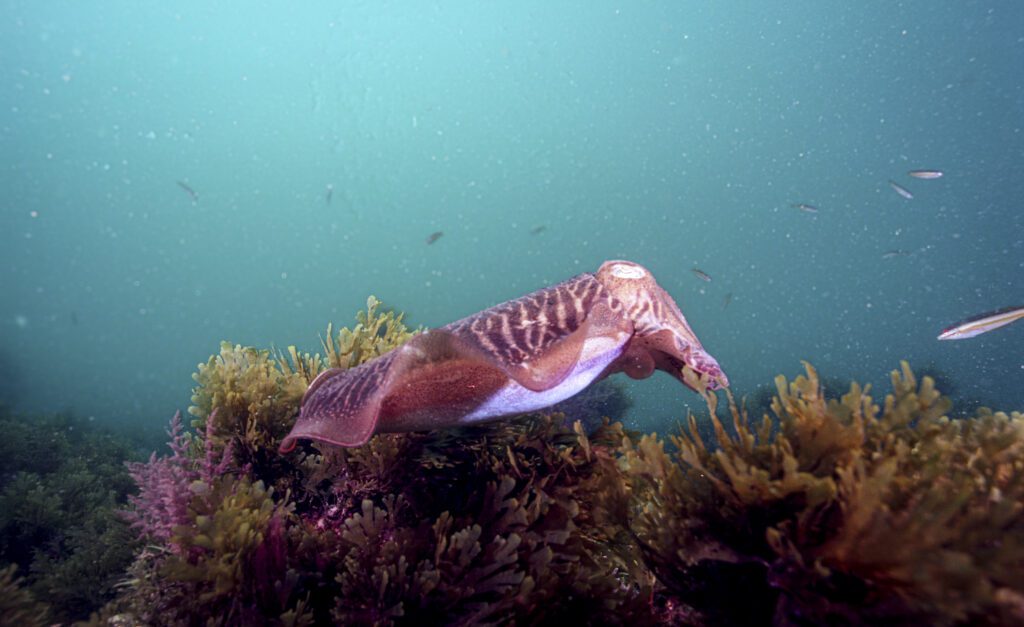
Over time, as we become more comfortable in the water, the best photos happen when the ocean surprises us, not when we try to force it to deliver an image.
Any recommended resources (books, courses, workshops) for learning underwater photography?
For me, there are two ways to learn photography: books and YouTube. YouTube offers unlimited content, and we have so many options.
The key is to choose what to learn and then practice it; that’s how I learned, and it remains an incredible resource.
Two books I can recommend are Magnum Contact Sheets and The Manual of Underwater Photography by Verlag Christa Hemmen.
What’s next for you in your photography journey? Any exciting projects or goals?
I have big ambitions for the Analog Sharks project. Over the next four years, I want to showcase the species of sharks and rays that exist in mainland Portugal, the Azores, and Madeira.
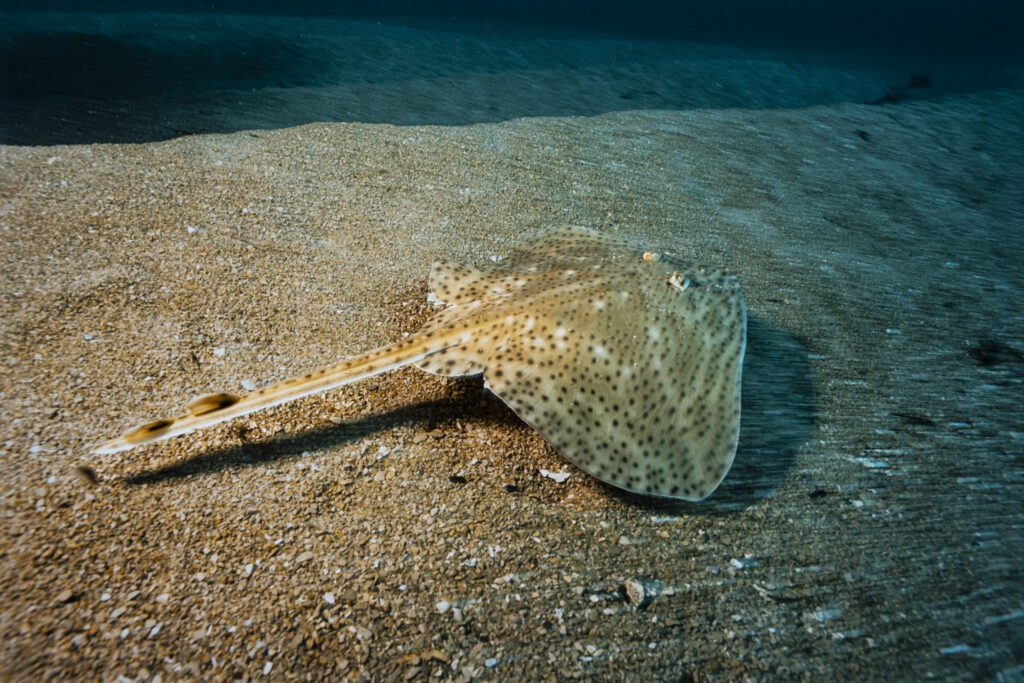
The funniest part is that it will all be done with analog photography, a format that many consider outdated, but for me, it will form the foundation of the project.
I aim to document rays, sharks, and scientific research entirely without digital images. It will be challenging, but incredibly fun. My hope is that people will fall in love with these animals and the project itself.
What does being an Ultralight brand ambassador mean to you?
Being a ULCS ambassador means I can rely on the support of a quality brand that cares deeply about its products.
It also means that in every project I undertake, I don’t have to worry about whether a piece of equipment will fail or break. From my experience using this gear, I know that won’t happen.
This reliability allows me to focus fully on creativity, knowing that my equipment will never be a limiting factor.
How did your partnership with Ultralight come about?
This partnership came about because of the Analog Sharks project. I needed equipment and reached out for support. I wasn’t expecting an invitation, but Ken was, as always, incredibly friendly and helpful. He asked if I would accept becoming a brand ambassador, and I couldn’t refuse.
It’s an amazing opportunity, and I hope this partnership continues for many years to come.
Has working with Ultralight influenced your photography?
Of course, I don't have to worry about equipment failures.
What excites you most about being a brand ambassador for this company?
Sometimes I come up with ideas for new equipment, things that aren’t available for sale online. ULCS allows me to submit proposals for new products and ideas, which I find fantastic.
What unique features of Ultralight do you find most valuable?
I really appreciate how easy it is to contact ULCS, whether via Instagram or email. They respond as quickly as possible and always try to help, which I think is very important.
Can you share a project where this gear significantly impacted your work?
During the filming of the documentary 23 Miles, I used four old DB-08 ULCS arms, 20 years old, and it has never failed to this day.
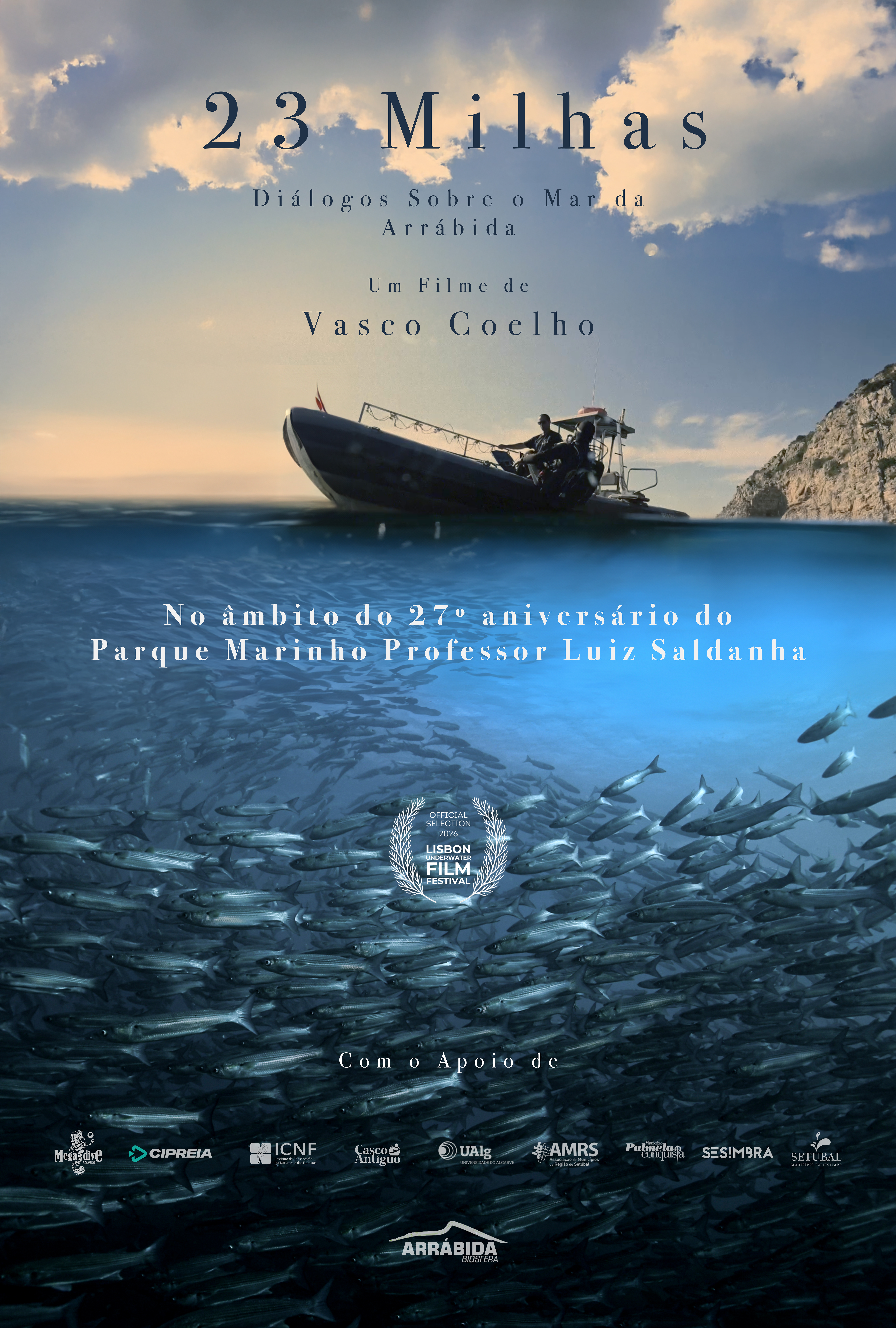
It made handling the equipment underwater much easier and removed one more concern for me. I didn’t have to exert extra effort to move the housing in the water because it was perfectly trimmed.
Do you get to test or provide feedback on new gear before it’s released?
I haven’t had the time for that yet, but I hope to be able to collaborate and provide feedback on new equipment in the future.
What advice do you have for photographers who want to work with brands?
It’s a great opportunity to expand the creative potential on every dive. The variety of equipment is immense; we can choose any piece, combine it with another, and create multiple setups, from macro to wide-angle.
Have you ever thought about taking the flash off the arms and away from the camera? It’s possible to place the flash on a tripod and use it that way. With equipment like this, creativity is the only limit, and that’s fantastic.
Thank you, Vasco, for taking the time to share more about yourself and your work with us. We definitely picked up a few new things, and I’m sure our customers did too. It’s always great hearing how someone finds their way into a field they love—the wins, the lessons, and everything in between.”
For more information, you can find Vasco at his Photojournalist website, Analog Shark Instagram, YouTube channel, and personal Instagram